Bulgaria’s National Assembly approved at first reading on 12 November 2026 a tax package that introduces an excise duty on powerful passenger cars with internal‑combustion engines, a measure the finance ministry says will raise budget revenue and rein in high‑power imports.
Details of the measure
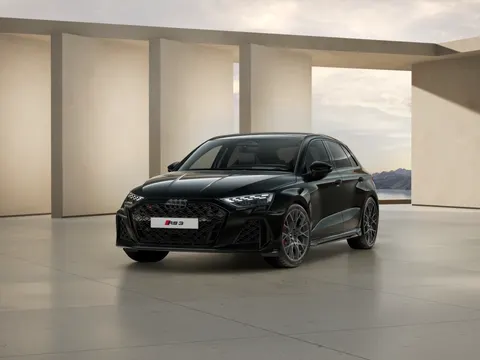
The excise is to apply at first registration or on import to cars whose internal‑combustion engine has a maximum useful power of 250 kW (≈340 hp) or more. The draft sets four graduated rates: €500 for 250–300 kW, €1,500 for 301–350 kW, €3,000 for 351–500 kW and €6,000 for cars above 500 kW. The Finance Ministry’s explanatory note projects the new excise and associated VAT will raise about €20.8m in 2027. Fully electric vehicles are explicitly exempt, and hybrid cars will be taxed only if their internal‑combustion engine reaches the 250 kW threshold.
Parliamentary process and reaction
The parliamentary budget and finance committee backed the text on 10 November and the bill passed its first plenary reading on 12 November; the plenary vote recorded 118 in favour, 67 against and 3 abstentions. The draft now goes into the inter‑reading amendment period and requires a second reading and final vote to become law.
The proposal has prompted criticism from opposition MPs. Tsoncho Ganev of Revival said the measure is another tax increase, calling it “they have now gone so far as to carry on the fight against rakia in Bulgaria” in comments made during the debate (the tax package also targets home‑distilled rakia). Finance ministerial papers and opposition responses were reported alongside the vote.
What this means for the market
The excise is narrowly targeted at high‑power combustion cars rather than at luxury price bands, so its immediate effect will be felt most by imports and dealers specialising in high‑performance ICE models. Because fully electric cars are excluded, the measure creates a stronger relative incentive for EV uptake among buyers weighing high power against tax exposure; hybrids with large ICE units will face the same levy as comparable petrol/diesel models because the tax is based on ICE power. The Finance Ministry’s forecast of €20.8m in 2027 revenue underlines the policy’s fiscal—not environmental—driver, though its structure could influence buyer choice and dealer stocking decisions across the region.
The bands are modest in absolute terms (from €500 up to €6,000) but could raise transaction complexity for importers, valuers and customs agents at Bulgarian ports and registration offices. Dealers of high‑power ICE cars may increasingly promote electric alternatives or adjust margins to offset the new excise, while manufacturers that sell high‑power hybrids will have to account for the ICE‑based test when pricing models for the Bulgarian market.
Next steps and timeline
The bill must clear a second reading in parliament after the inter‑reading amendment window; the Finance Ministry’s budget documents incorporate the excise for 2027 planning, suggesting lawmakers aim to have the measure in force for next year’s registrations. Market players should watch the amendment period for changes to the power bands, exemption clauses or transitional rules for cars already in customs or on the point of sale.
Electric vehicles listings on WorldTrader24 →
Sources: Bulgarian Ministry of Finance, BurgasMedia, bTV, NOVA.bg