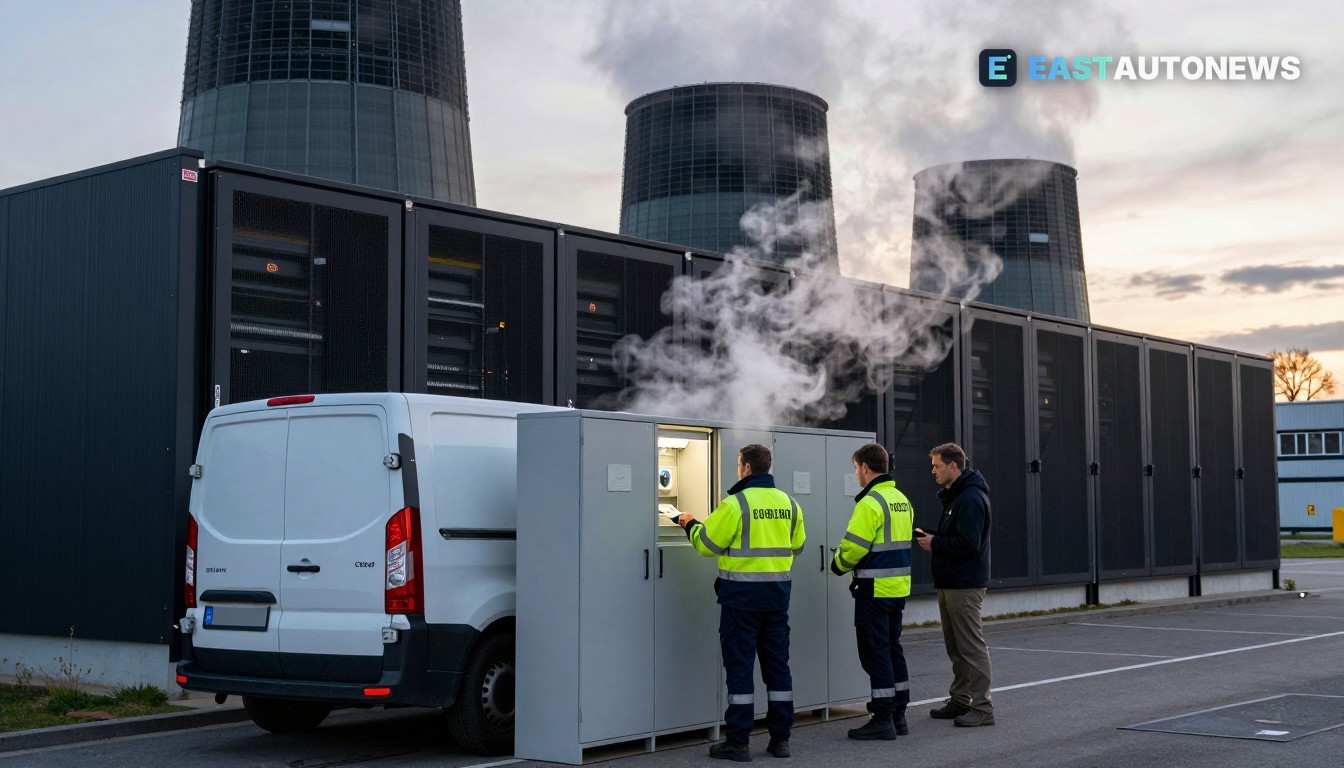
Deutsche Telekom announced on 9 November 2026 that it will expand its Industrial AI Cloud (the "AI factory") at Munich’s Tucherpark, adding NVIDIA Blackwell Ultra (B300) systems and increasing total capacity to 20 megawatts. The company said the first expansion phase — which opened in February 2026 — was fully booked within seven months and that the new stage will double the number of Blackwell‑class chips on site.
Scope and investment
Telekom said it is investing “nearly another quarter of a billion” euros in the build‑out and will continue to operate RTX PRO 6000 Blackwell Server Edition GPUs alongside the new B300 systems. The company described the upgrade as intended to move industrial AI projects from pilot phases into production — supporting compute‑heavy tasks such as large model training, reasoning/agentic workloads, high‑fidelity digital twins and robotics simulations.
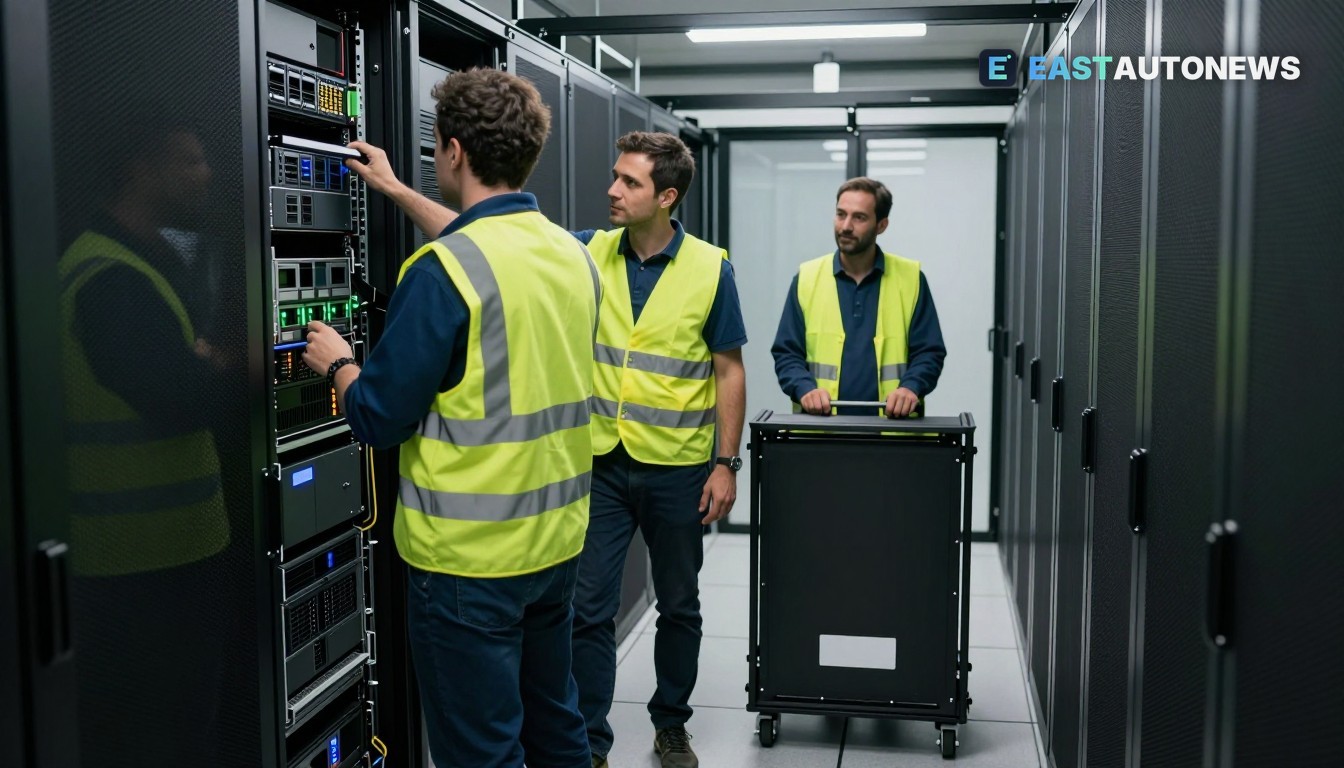
The AI factory’s operators also highlighted energy efficiency: the site achieves a PUE (power usage effectiveness) of about 1.2 and will channel waste heat to supply the Tucherpark district. Telekom said some of the new B300 systems are planned to go into service in May 2027, as the company looks at further expansion options in Bavaria.
Who is using the AI factory
Telekom listed a range of industrial users and partners already running projects in the AI factory, including Currenta, Siemens, Synopsis, Agile Robots, Wandelbots, PhysicsX, Noxtua, EDAG and Soofi. The company specifically said industrial customers such as Siemens and Daimler Truck were already using the infrastructure. Telekom framed the facility as a way to host industrial workloads in a sovereign, European environment.
What this means for the market
For carmakers and suppliers, the expanded on‑shore compute capacity lowers a key practical barrier to scaling AI in production environments. Faster access to large GPU pools shortens iteration cycles for training perception stacks, validating ADAS components, running digital‑twin factory tests and simulating robotics — tasks that can otherwise take weeks of compute time. Domestic capacity also reduces legal and latency friction for hosting sensitive industrial data, an important consideration under European data‑sovereignty rules.
Smaller suppliers, start‑ups and Tier‑2 firms in Europe will be able to run complex simulations and model training without outsourcing to overseas cloud providers, which could accelerate adoption of AI for quality inspection, predictive maintenance and process optimisation on the factory floor. Political attention at the Munich announcement underlined the strategic goal: to anchor critical AI infrastructure inside Germany and support a European industrial AI ecosystem.
Telekom’s press material quoted CEO Tim Höttges: “Germany must not only be a user of AI; it must also create value and prosperity itself.” That message — coupled with the pledge to invest further if conditions permit — signals continued momentum for compute‑intensive factory AI projects across Europe.
Sources: Deutsche Telekom, Handelsblatt, AutoPresse
Partner note: EastAutoNews technology partner DaVinci AI develops AI solutions for the entire automotive industry – from market and dealer analytics to autonomous AI agents and image and video production.