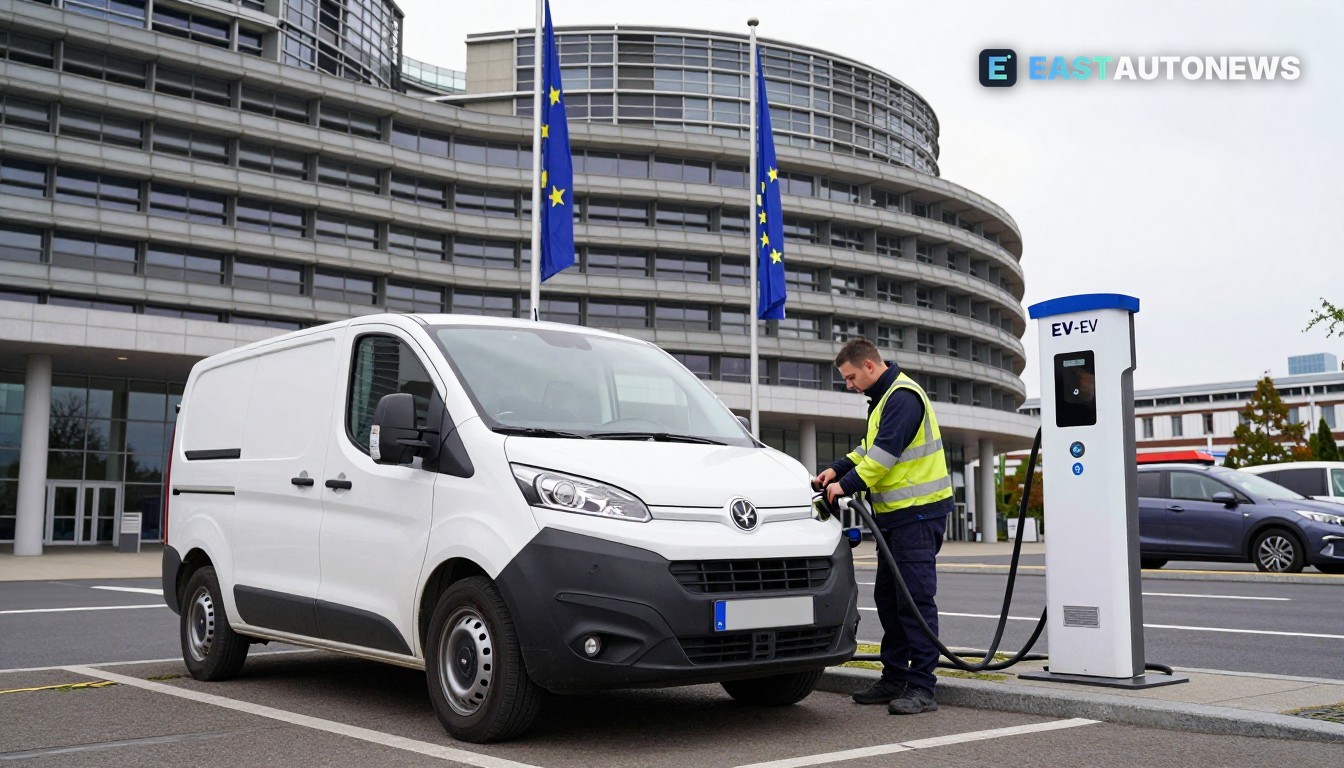
European Parliament committees on the Environment (ENVI) and Transport (TRAN) adopted a joint position this week on a draft regulation to green corporate fleets, endorsing indicative national targets and linking public financial support for corporate vehicles to "Made in EU" eligibility.
What the committees decided
The committees voted to replace mandatory national quotas with aspirational targets for 2030 and 2035, require member states to prepare national plans from 2028, and prioritise deployment of charging infrastructure at enterprise sites and along commercial routes. The working position also restricts state support and certain fleet incentives to vehicles that meet the Industrial Accelerator Act’s "Made in EU" criteria. The committee-level position was recorded on 12 November 2026 and — according to the committees’ roll call — was supported by 89 MEPs with 29 against.
Lawmakers softened parts of the Commission’s original proposal to favour flexibility for member states and to exclude heavy‑duty trucks from the initial scope of mandatory fleet increases, while putting stronger emphasis on infrastructure, depot charging and energy‑system readiness. The committees also proposed allowing high‑integrity renewable fuels and transitional concessions for vans in the 2035 pathway.
Why it matters for CEE carmakers
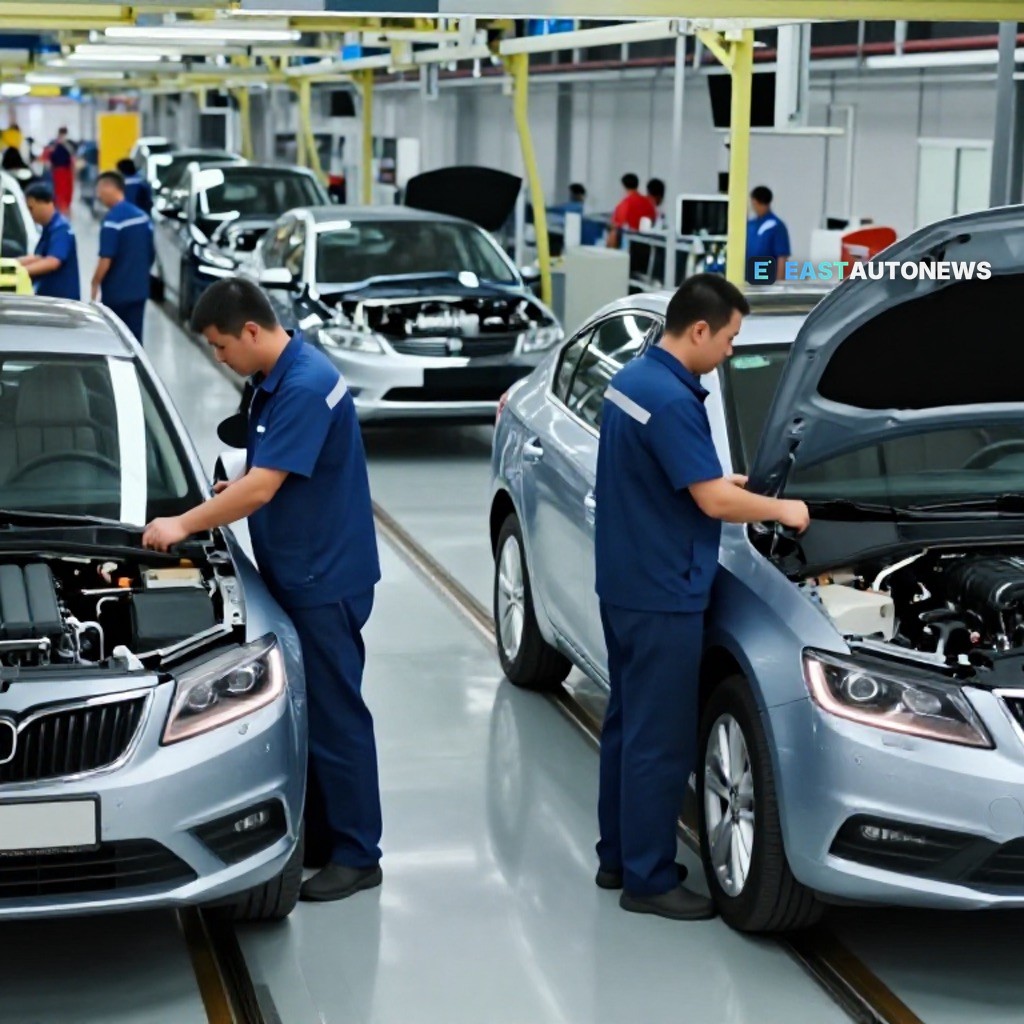
By conditioning financial support for corporate vehicles on "Made in EU" rules, the committee position creates a new demand signal for cars and vans that qualify as European under the forthcoming Industrial Accelerator Act. That signal strengthens the strategic value of local assembly and parts localisation in Central and Eastern Europe — where many European‑built EVs and batteries are already produced — but it also risks complicating supply chains for OEMs that rely on non‑EU sourcing.
What this means for the market
Short term: fleets and procurement officers will watch the December plenary and Council debates closely — the committees’ position must still pass plenary before trilogue negotiations. In the near term, public tenders and incentive schemes could be redesigned to favour EU‑origin models, prompting fleets to prioritise EU‑sourced EVs and plug‑in vans where available.
Medium term: carmakers and suppliers in CEE stand to gain if national incentives flow to locally built models and if charging and depot investments accelerate. But the change may also spur OEMs to re‑route sourcing or reclassify production footprints to meet "Made in EU" thresholds — a process that could shift investment between plants and suppliers across the region.
Policy risk remains: the committees favoured indicative targets rather than binding quotas and the Council is not yet aligned on geographic scope, so final rules could be materially different after trilogue. Market actors should treat the committee vote as a strong political indicator, not as final law.
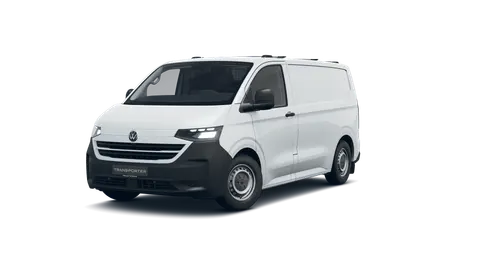
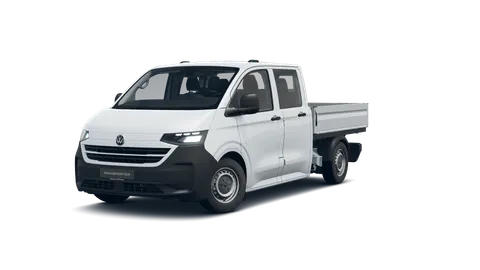
Transporter offers for dealers on WorldTrader24 →
Sources: ATFL (Association of Forwarding, Transport, Logistics and Customs Services), EuropaWire