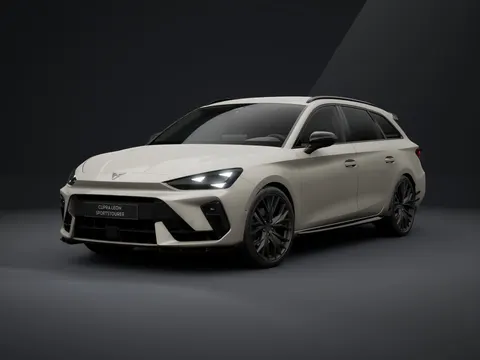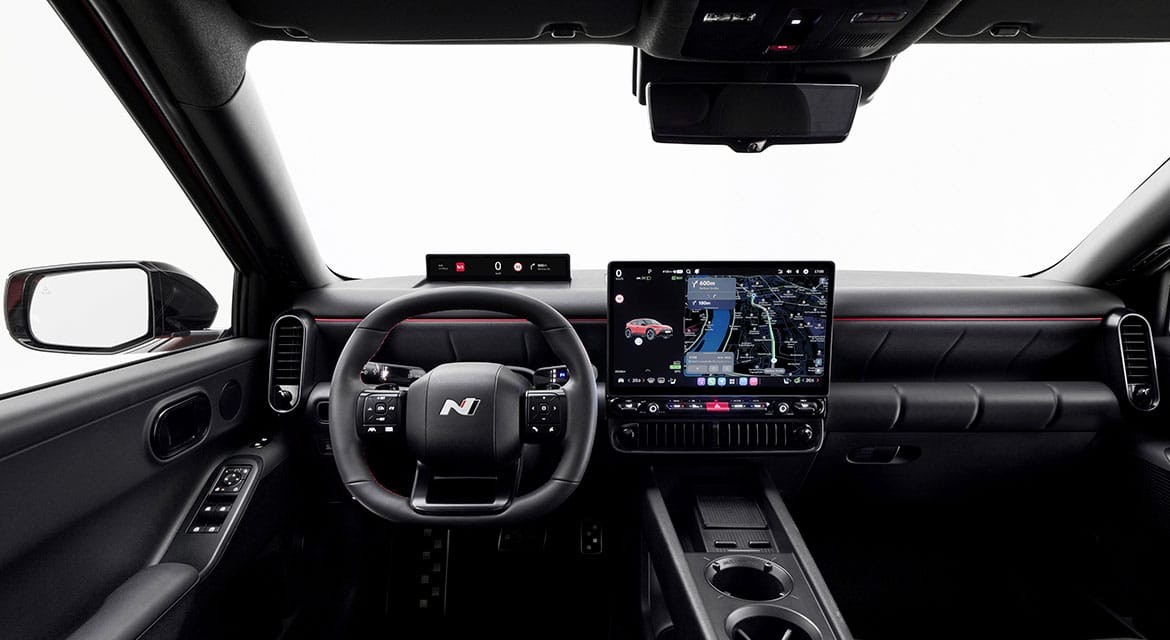
Hyundai’s IONIQ 5 software‑defined vehicle (SDV) test car — described by the photographer as the group’s SDV “pace car” — was spied parked in a garage with the driver’s door open, offering the clearest public look yet at a different interior layout. The images, published by Korean Car Blog on 13 November 2026, show a large upright central display mounted on the dash, a darker wide panel higher on the cowl and what looks like a redesigned steering wheel. The photographer also reported the car was testing an automatic‑parking function with Pleos software visible on the screen.
What the photos show
The prototype carries a visible roof‑mounted sensor rack and a camera pod near the side mirror — equipment typical of autonomous‑driving testbeds. The open door view suggests Hyundai is experimenting with an interior that places more information and control into a single upright display, rather than the twin 12.3‑inch screens that the production IONIQ 5 currently uses. The photographs are described as somewhat blurry, so layout details and screen content cannot be read with precision. Hyundai has not commented on the images.
Why Hyundai’s SDV pace car matters
Hyundai Motor Group has publicly positioned Pleos as a central element of its SDV strategy; Pleos is intended to let Hyundai deliver features by software updates and to underpin advanced driver assistance functions. The company outlined its SDV goals and Pleos platform during investor briefings in 2025. The IONIQ 5 pace‑car sighting is the latest sign the group is moving SDV and automated‑parking tests beyond lab prototypes and into real‑world validation.
What this means for the market
For Central and Eastern Europe the development is notable even though the sighting took place in Korea: Hyundai is a major OEM in the region — its Žilina plant in Slovakia is one of Europe’s largest Hyundai production hubs — so changes to the company’s core vehicle software strategy will affect models sold and serviced across Europe. A move toward a unified, upright SDV interface would alter supplier requirements for displays, wiring and software integration and create new aftersales and cybersecurity demands for dealerships and service networks in CEE. That transition also accentuates the strategic importance of local software and electronics suppliers that can support OTA updates and ADAS validation.
Careful phrasing is required: the photographed car is a test prototype, and nothing in the images or the accompanying reporting confirms that the layout will reach series production unchanged. Observers should treat the photos as a development signal rather than a final specification.
Hyundai IONIQ 5 SDV transporter listings on WorldTrader24 →
Sources: Korean Car Blog, Hyundai Motor Company, TopGear Bulgaria