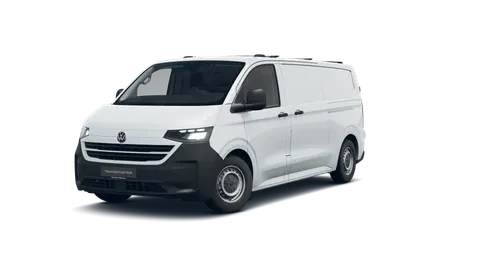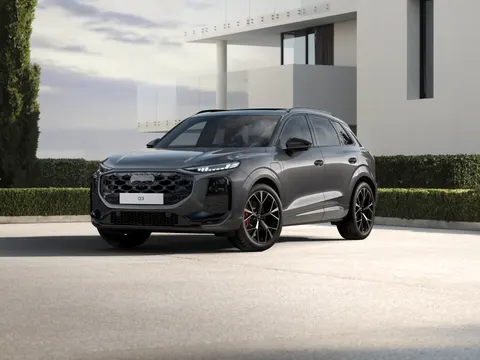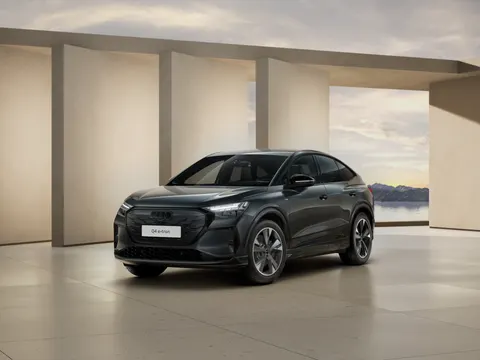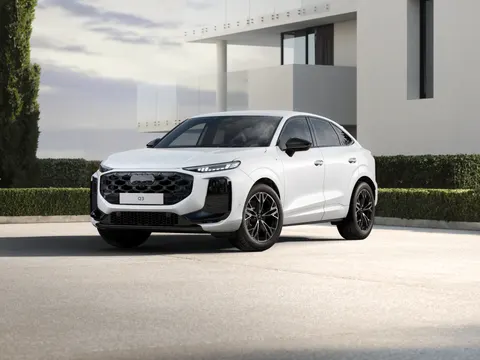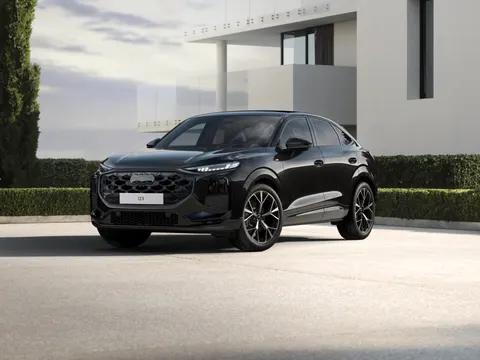
On October 23, 2026 Stellantis announced two linked moves to accelerate autonomous driving in France: a collaboration with Wayve and NVIDIA to deploy Wayve’s AI Driver on Stellantis L4‑Ready platforms, and a separate pilot with Bolt and the Métropole du Grand Paris aimed to begin experimentation in 2028 and scale toward commercial operations by 2030.
The Wayve announcement, made at the Assises du Véhicule Autonome in Paris, says the deal will integrate the Wayve AI Driver with NVIDIA Halos OS on NVIDIA’s Hyperion compute and sensor architecture, combining Wayve’s “embodied AI” with Stellantis’ vehicle engineering and L4‑Ready platforms. The press release frames France as a base for an end‑to‑end autonomous ecosystem spanning "from silicon to vehicles."
Two tracks: embodied AI and city pilots
The second Stellantis release set out the Greater Paris project: a pilot submitted to the European Commission’s ADACities initiative that brings together the Métropole du Grand Paris, Bolt and Stellantis to run trials across up to five municipalities from 2028, with an ambition to expand to around 30 municipalities and consider commercial operations by 2030, subject to approvals. Pony.ai is named in the project as a potential provider of the autonomous driving software, to be powered by NVIDIA Hyperion and the Halos safety system.
Stellantis and its partners tied the moves explicitly to public policy and local engagement. The Wayve release quoted French Transport Minister Philippe Tabarot saying France is "committed to adapting its regulatory framework to accelerate the development of autonomous vehicles while maintaining strict safety and data sovereignty requirements." Wayve’s Kaity Fischer added: "France is leading the way in preparing for autonomous vehicles… we can help shape how this technology is deployed safely and responsibly and accelerate its development across the country and entire EU." Stellantis’ Anne Laliron said the collaboration would “help accelerate the delivery of autonomous driving technologies that make mobility safer and more convenient for customers.”
Ce que cela signifie pour le marché
The two announcements together show an OEM‑led approach that pairs in‑house vehicle platforms with third‑party AI and compute stacks. Stellantis emphasises L4‑Ready platforms and vehicle engineering, while Wayve, Pony.ai and NVIDIA provide AI driving software and compute—an architecture that could allow faster local deployments without each party building the whole stack alone. The projects are explicitly linked to European regulatory and city frameworks (ADACities and national ministries), signalling that deployments will be tied to public approvals and data‑sovereignty arrangements.
For European suppliers and plants—many of which supply Stellantis across Italy, France, and Central and Eastern Europe—the announcements imply rising demand for AV‑grade sensors, high‑performance compute integration, and software‑integration services as pilots move to larger trials. The emphasis on local partnerships and regulatory oversight also suggests governments and cities will shape roll‑out timing and vendor selection, not only technical readiness.
Stellantis and its partners are careful to note timelines and conditions: the Greater Paris experiment is "starting from 2028" and commercial operations are an ambition for 2030 "subject to the necessary approvals." That keeps the announcements in the realm of staged pilots and regulatory processes rather than immediate city‑wide services.
Sources: Stellantis Media, Métropole du Grand Paris
Note partenaire : EastAutoNews technology partner DaVinci AI develops AI solutions for the entire automotive industry – from market and dealer analytics to autonomous AI agents and image and video production.