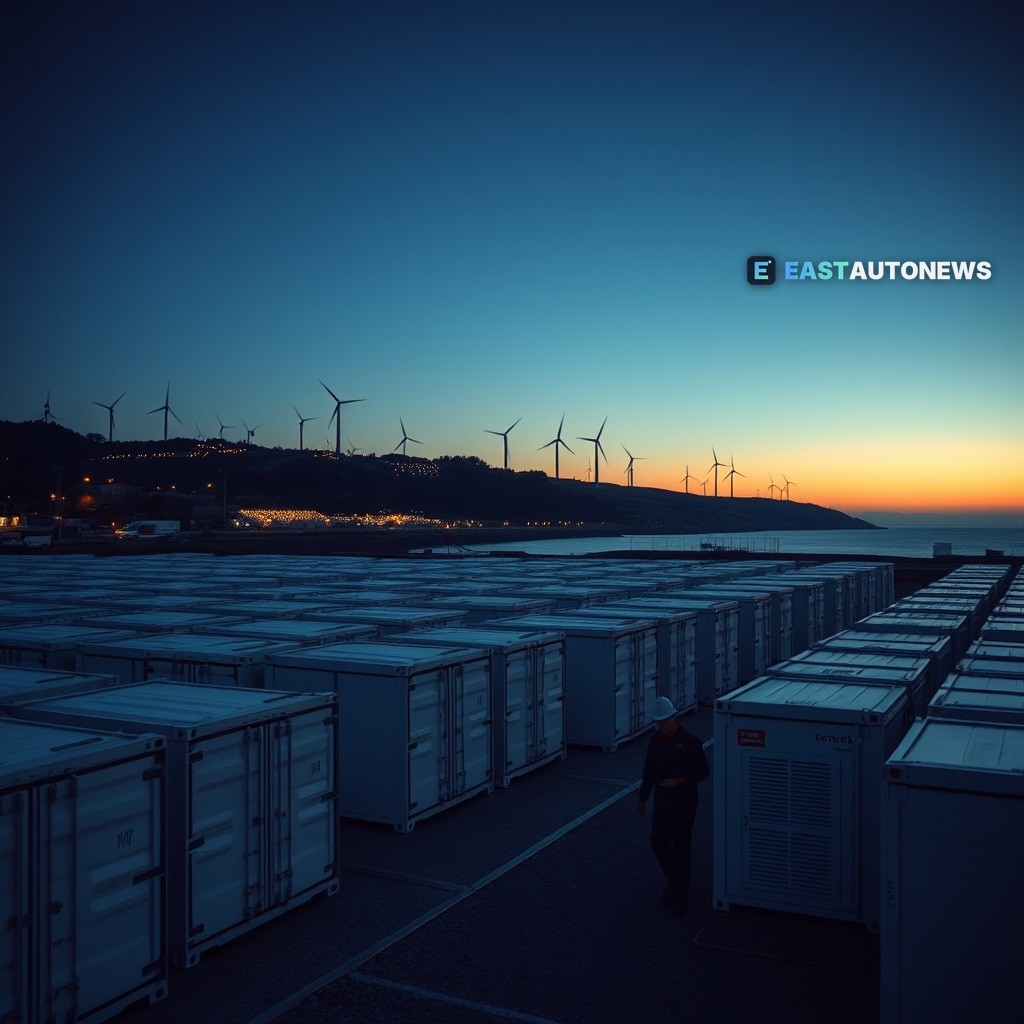
NextGrid Energy has launched operations at BESS Šibenik, Croatia's first standalone battery energy storage system and the first large BESS connected to the country's high-voltage electricity network. With 60 MW of operating power, the facility marks a major step in the development of Croatia's energy infrastructure, handing the grid a new instrument for balancing supply, absorbing shocks and delivering stored electricity at moments of peak demand.
The project was realised under an investment of EUR 60 million, with financial backing from the European Union's Modernisation Fund. Its arrival addresses the missing link in a country that has expanded renewable energy capacity more than fivefold since 2016, reaching 3,138 MW — a build-out that has consistently run ahead of the grid flexibility needed to manage it.
Electricity imports remain a major challenge for Croatia despite the renewables boom, and grid-scale storage is the most direct answer available. By shifting surplus wind and solar generation into peak hours, systems such as Šibenik can reduce import dependence at critical moments while stabilising a network that must also absorb rising demand from electrified transport.
For the automotive sector, the relevance is concrete. Ultra-fast charging in particular depends on local grids coping with concentrated demand spikes, and co-locating storage with charging hubs is becoming standard practice across Europe. With Croatia's recently opened €20 million EV grant scheme adding momentum to electric car uptake, dealers and buyers mapping the country's charging landscape can already compare electrified stock across borders on WorldTrader24, Europe's marketplace listing more than 70,000 vehicles.