Eastern Europe is taking a hands-on role in defining how electric vehicles will interact with the power grid. In the Czech Republic, tests combining ev.energy's Eve platform with E.ON hardware are running as part of the V4Grid project, an initiative designed to ascertain the standards for the next generation of V2X technologies. As bidirectional charging moves from the pilot phase toward everyday use, the trials give the region an early say in the technical rules that automakers, utilities and charging operators will all eventually have to follow.
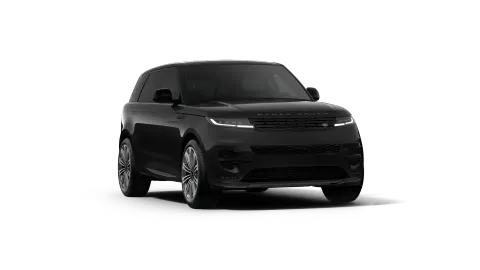
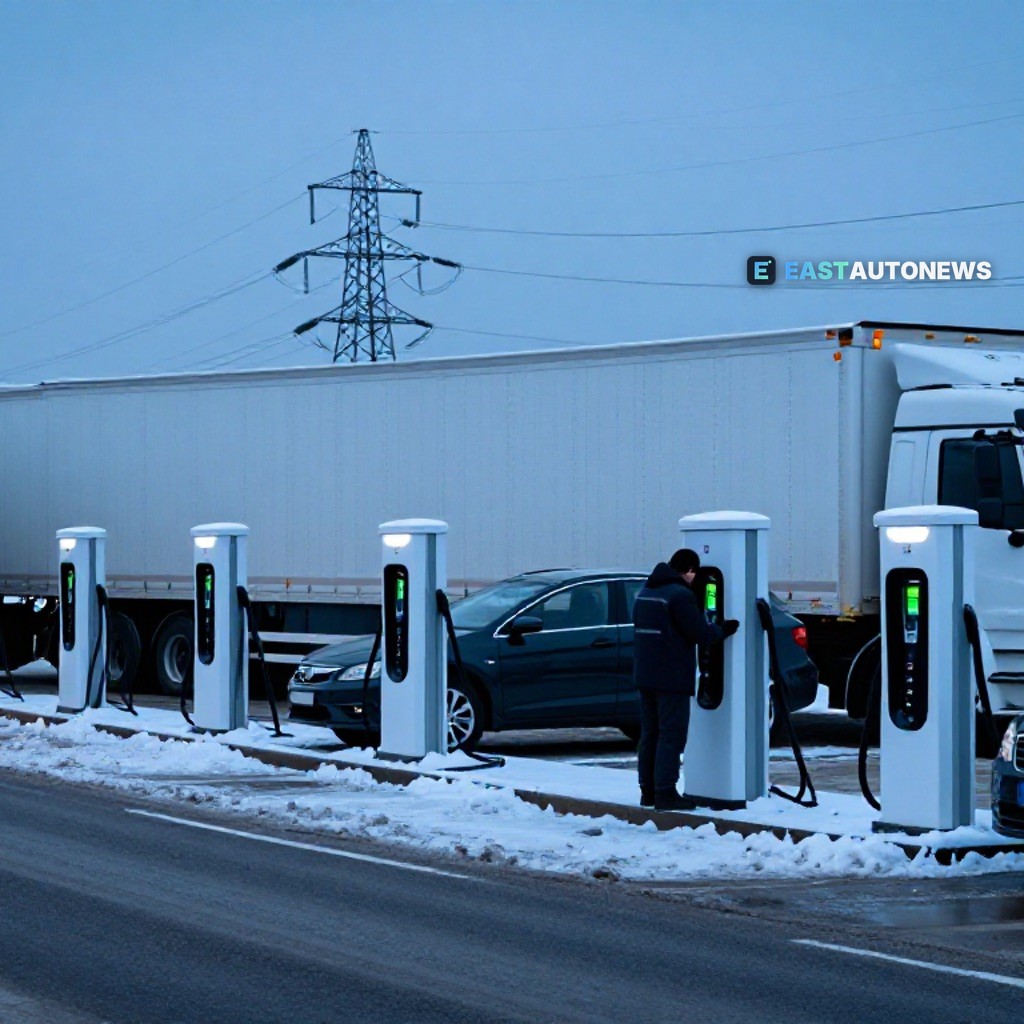
For commercial operators, the more immediate development concerns reach rather than technology. Daimler Truck is expanding its TruckCharge Network across Europe, giving operators of battery-electric trucks access to charging locations beyond their own depots. The network is now available in 21 European countries, a footprint that matters for freight firms running cross-border routes through the region. Dealers and fleet buyers mapping out the transition can find related vehicles, from battery-electric trucks to vans, on European marketplace WorldTrader24.de.
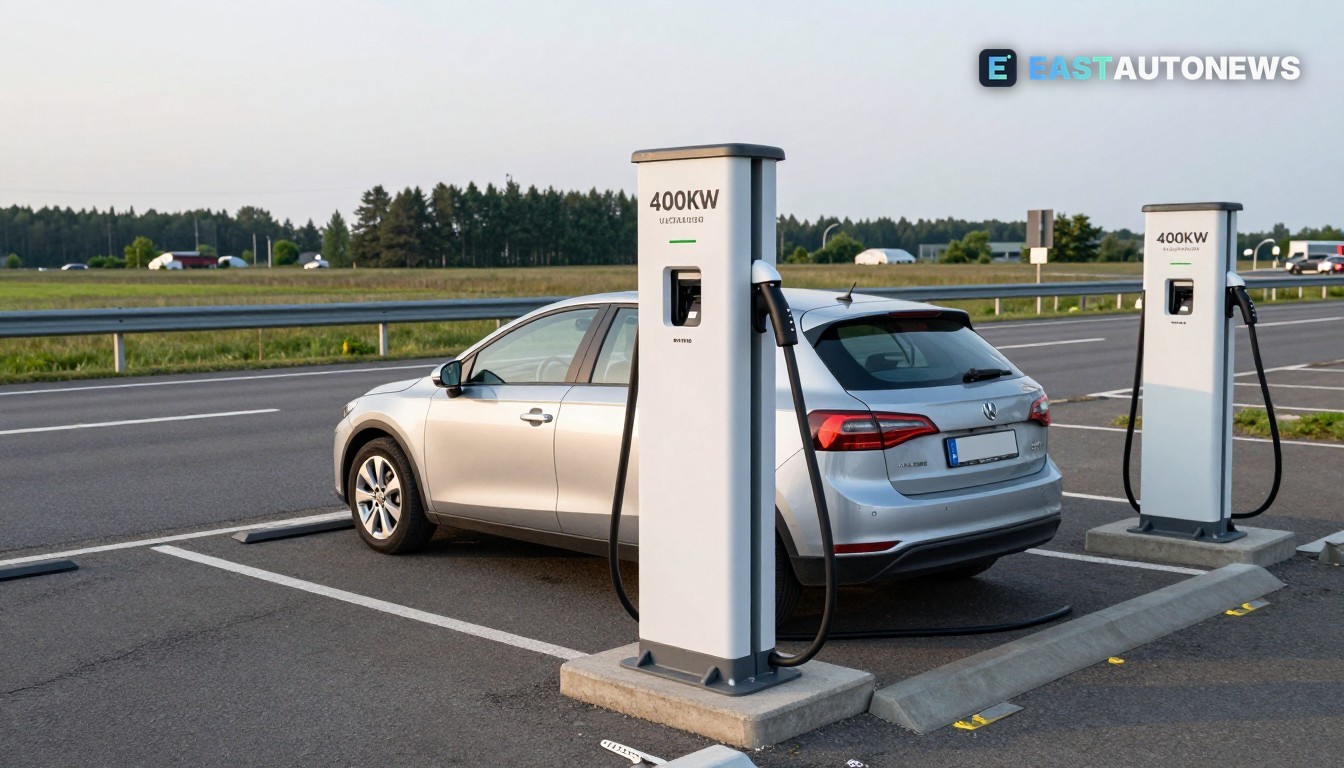
On the passenger side, the technology bar keeps rising. At the 2026 Guangzhou International Automobile Exhibition, XPENG is accelerating its global physical AI expansion, and alongside its worldwide vehicle rollout the automaker is speeding up the deployment of its X-Energy megawatt charging infrastructure, with plans to expand the network across three continents by the end of 2026 — a deadline now only weeks away. Megawatt-scale charging marks a step change from today's fast-charging norms and signals where infrastructure expectations are heading.
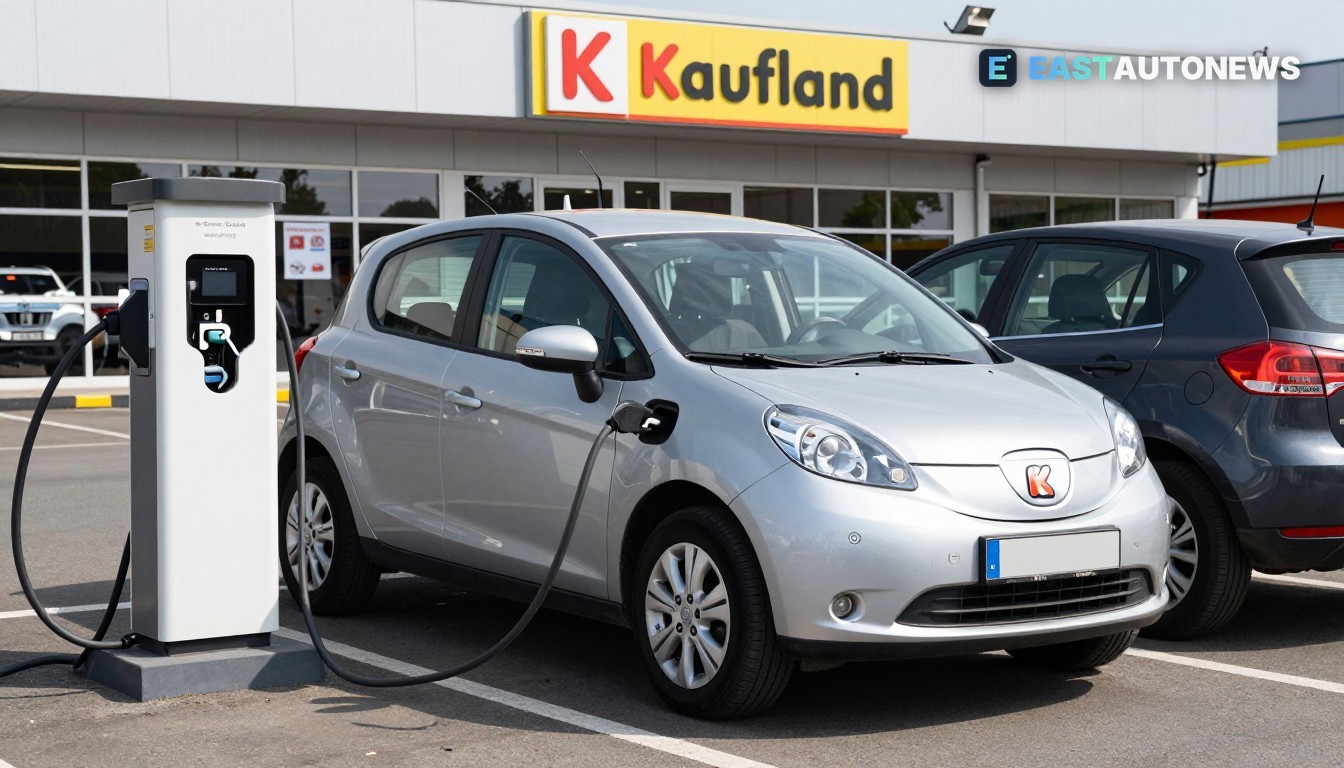
The physical shape of charging is changing as well. In Cloppenburg, Germany, KOOPMANN has opened a multimodal charging hub that serves cars, trucks and buses at a single site, using Kempower's distributed charging system together with solar power and battery storage. The concept points toward the next generation of charging locations: multi-vehicle hubs that generate and store part of their own energy rather than simply drawing it from the grid.
Underpinning all of this is growing demand for the hardware in between. A market report on the EV charging cable market identifies growth driven by innovation and increasing applications, with North America remaining a key player while the Asia-Pacific region is expected to witness the fastest growth in the coming years. The study also covers Western Europe, Eastern Europe, South America and the Middle East, among other regions, where cable demand is expanding in step with the network buildouts now under way.
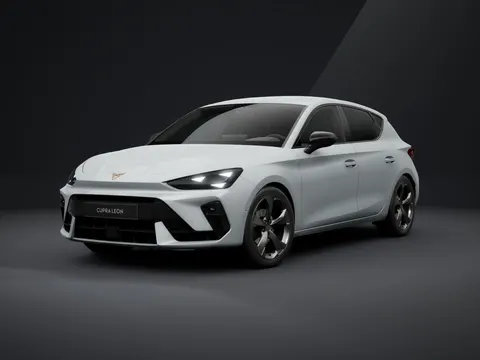
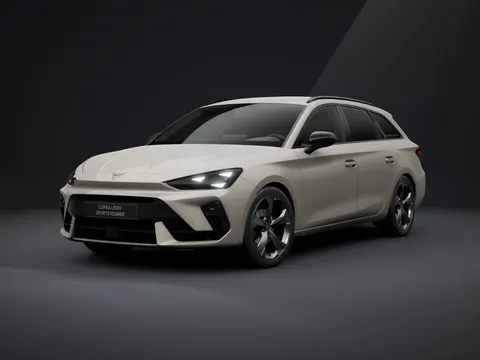
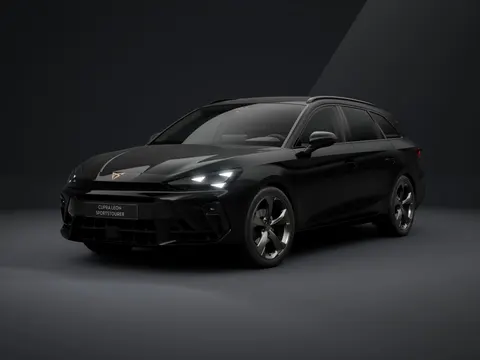
For buyers, the practical effect of this buildout is straightforward: every new charging point, hub and standard makes electrified vehicles more usable in more places. Readers looking for a vehicle — from a passenger EV ready for the bidirectional era to a battery-electric truck for the routes these networks now serve — can find sensational cars at sensational conditions at WorldTrader24, Europe's marketplace with over 70,000 vehicles.