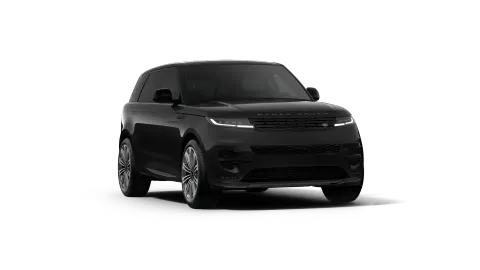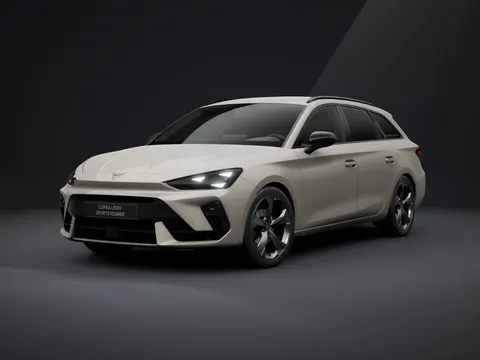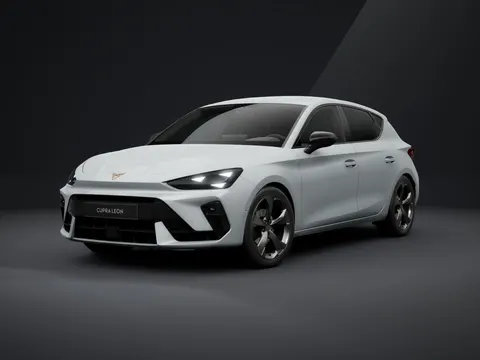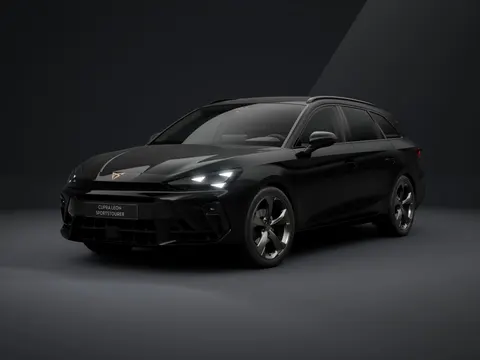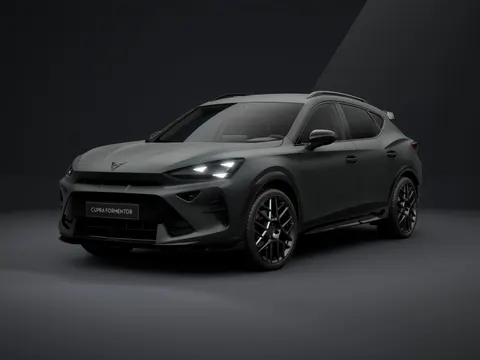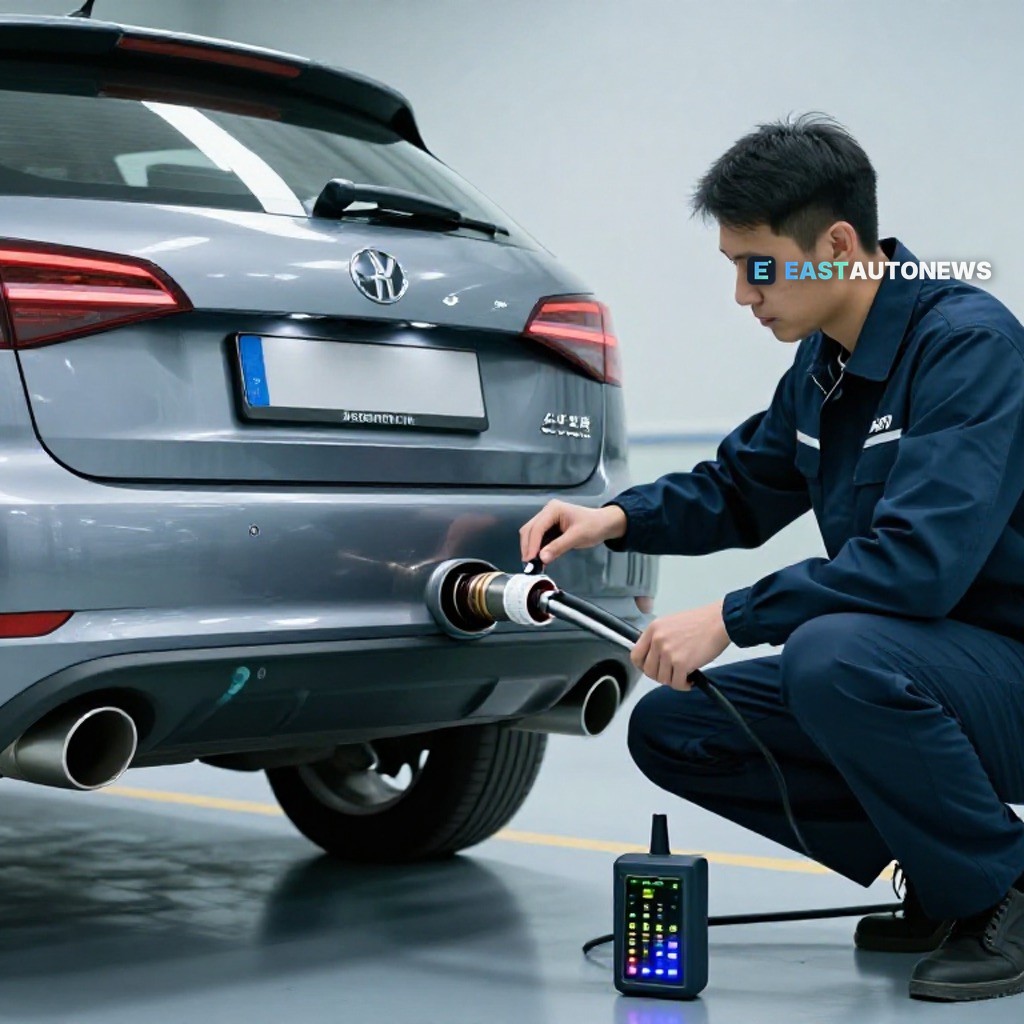
From today, Sunday 29 November 2026, the Euro 7 emissions standard applies across the European Union — for now only to newly type-approved passenger cars and vans. The norm, long feared by motorists, requires such vehicles to monitor their own emissions on board; if a driver fails to address emissions-related problems over an extended period, the system can block the car from operating. Brake dust is among the emissions brought under new scrutiny.
The immediate footprint is deliberately narrow: vehicles already on the road and types approved under earlier norms are unaffected for now, and the obligations will spread only as manufacturers bring fresh type approvals to market. But the direction is unmistakable — new models reaching European showrooms will increasingly carry systems that police their own emissions, with direct consequences for drivers who ignore them.
Brussels, however, has also shown flexibility on another front. The European Commission has postponed the planned tightening of how plug-in hybrid emissions are assessed, pushing the measure back to 2030, as reported by ČeskéNoviny.cz and Deník.cz. The delay will likely be welcomed by European automakers, for whom plug-in hybrids remain a valuable bridge between combustion and battery-electric technology.
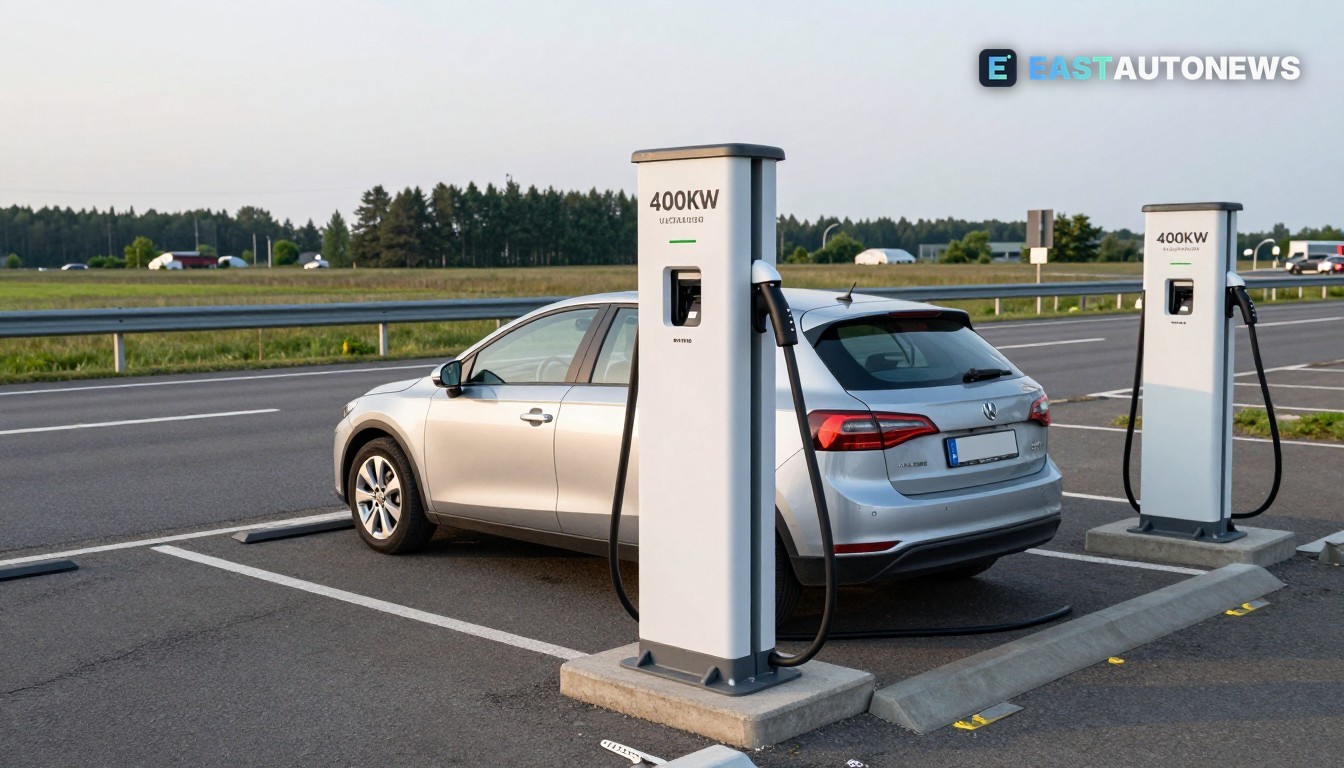
The tightening rulebook sits alongside continued efforts to expand charging infrastructure. The EU push for common charging point standards across Europe dates back to the mid-2010s, when such standards were to be designed and implemented by December 2015, and is now anchored in Regulation (EU) 2023/1804 on the deployment of alternative fuels infrastructure. Charging technology is also reaching beyond the passenger car: InsideEVs reports that a charging equipment manufacturer is partnering with Kässbohrer, the maker of the iconic PistenBully — a sign that charging hardware is spreading into new niches.
For dealers and buyers, the shifting rulebook has practical consequences. Euro 7-compliant models will gradually enter showrooms with on-board emissions monitoring that demands attentive maintenance, while plug-in hybrids keep their current emissions assessment until 2030, extending their window of regulatory certainty. Buyers weighing a plug-in hybrid against a fully electric car — and dealers deciding what to stock on both sides of that divide — can compare current offerings on WorldTrader24.de, Europe's marketplace with more than 70,000 vehicles.
As Euro 7 reshapes new type approvals and plug-in hybrids gain regulatory breathing room, buyers have unusual clarity about what they are choosing between. Readers looking for a vehicle can find sensational cars at sensational conditions at WorldTrader24, Europe's marketplace with over 70,000 vehicles — from plug-in hybrids to fully electric models ready for the continent's growing charging network.