The European Investment Bank (EIB) signed a PLN 1.7 billion (about €400 million) financing agreement with Poland’s KGHM Polska Miedź on 25 November 2026 to support three strategic copper projects: the GG‑1 shaft, expanded underground conveyors and electrorefining upgrades at the Legnica smelter.
Deal details
KGHM’s management board approved loan agreements that combine PLN 950 million under the InvestEU programme and PLN 750 million in direct EIB lending, with a financing term of up to 12 years. The three projects have a combined value of nearly PLN 2.6 billion, of which KGHM will supply roughly PLN 888.8 million in own funds.
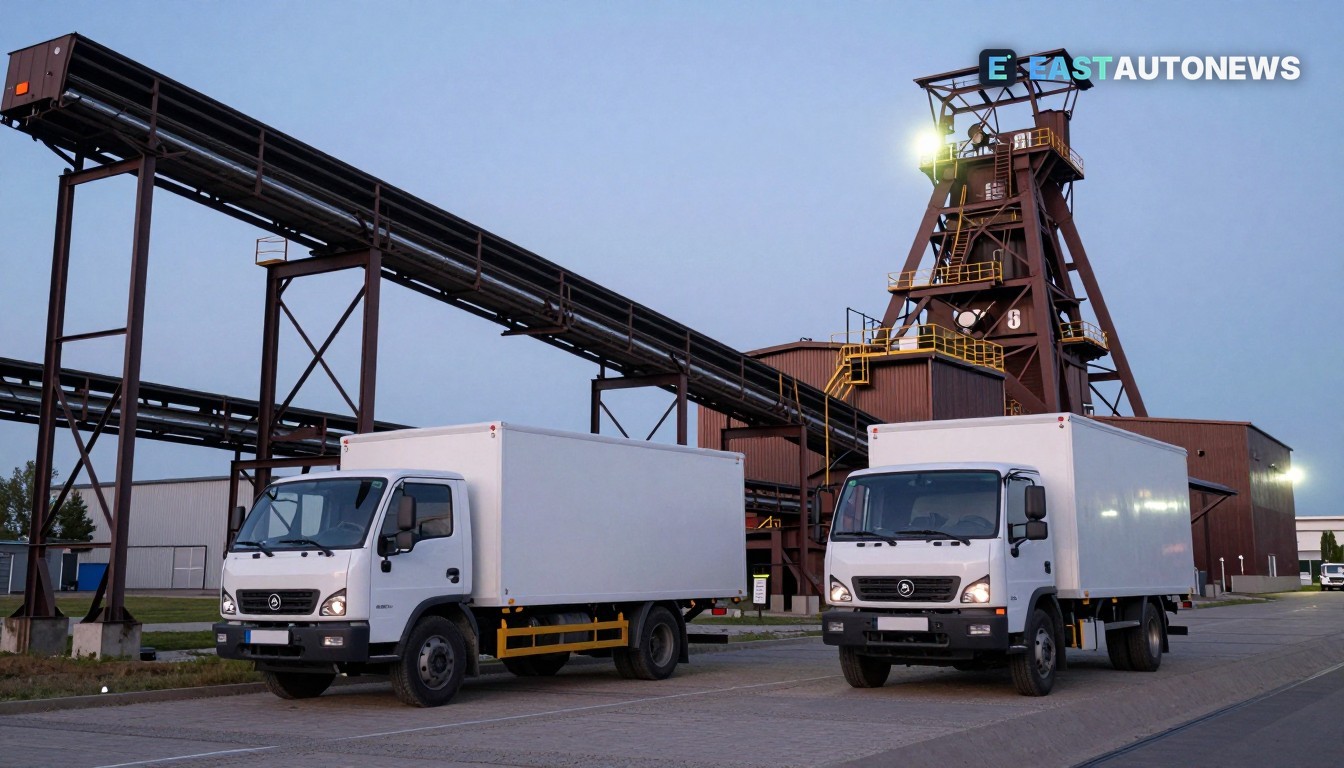
The package explicitly backs construction of the GG‑1 shaft — part of KGHM’s Deposit Access Program — plus expansion of belt conveyors for underground ore transport and the introduction of a permanent starter‑sheet electrorefining technology at Legnica. The EIB says the GG‑1 shaft will reach nearly 1.4 kilometres when completed in 2029.
Quotes from the deal
Remigiusz Paszkiewicz, President of KGHM’s Management Board, framed the operation as central to the company’s long‑term plan: “Cooperation with the European Investment Bank is a key element in the implementation of the KGHM 2055+ Strategy with regard to securing long‑term financing for our investment program. The development of the domestic resource base, the modernisation of production infrastructure and the implementation of modern technologies form the foundation of KGHM’s future.”
Marko Primorac, the EIB Vice‑President responsible for Poland, described the transaction as the bank’s largest critical raw‑materials investment in 2026 and stressed copper’s strategic role: “From our phones and computers to power grids and data centres, copper is indispensable and meeting growing demand is a matter of strategic autonomy and industrial independence for the EU.”
What this means for the market
The loan reduces a key supply‑side risk for Central and Eastern Europe’s automotive supply chain. Copper is a core input for electric motors, wiring harnesses, batteries’ balance‑of‑plant and charging infrastructure; stable European refining and mining capacity can ease procurement pressure for OEMs and tier‑1 suppliers competing for global feedstock. By financing deeper access to ore and domestic electrorefining capacity, the EIB–KGHM deal should help stabilise regional availability and moderate price volatility that directly affects component costs for EV production and charging rollout.
Practical near‑term effects will be limited by project timelines: GG‑1’s completion is scheduled for 2029 and conveyors and refinery upgrades will roll out over subsequent years, so benefits to automakers’ procurement and the grid transition will accrue gradually as refined copper volumes and domestic wire‑rod supply rise. The package does, however, reinforce EU policy aims to on‑shore critical‑materials processing and to reduce dependence on distant suppliers.
For Central and Eastern European suppliers — harness makers, cable producers and charging hardware manufacturers — the EIB’s backing signals stronger upstream security and a policy appetite to support downstream industrial capacity that directly serves the motoring sector.
Electric vehicle listings on WorldTrader24 →
Sources: European Investment Bank, KGHM Polska Miedź S.A.