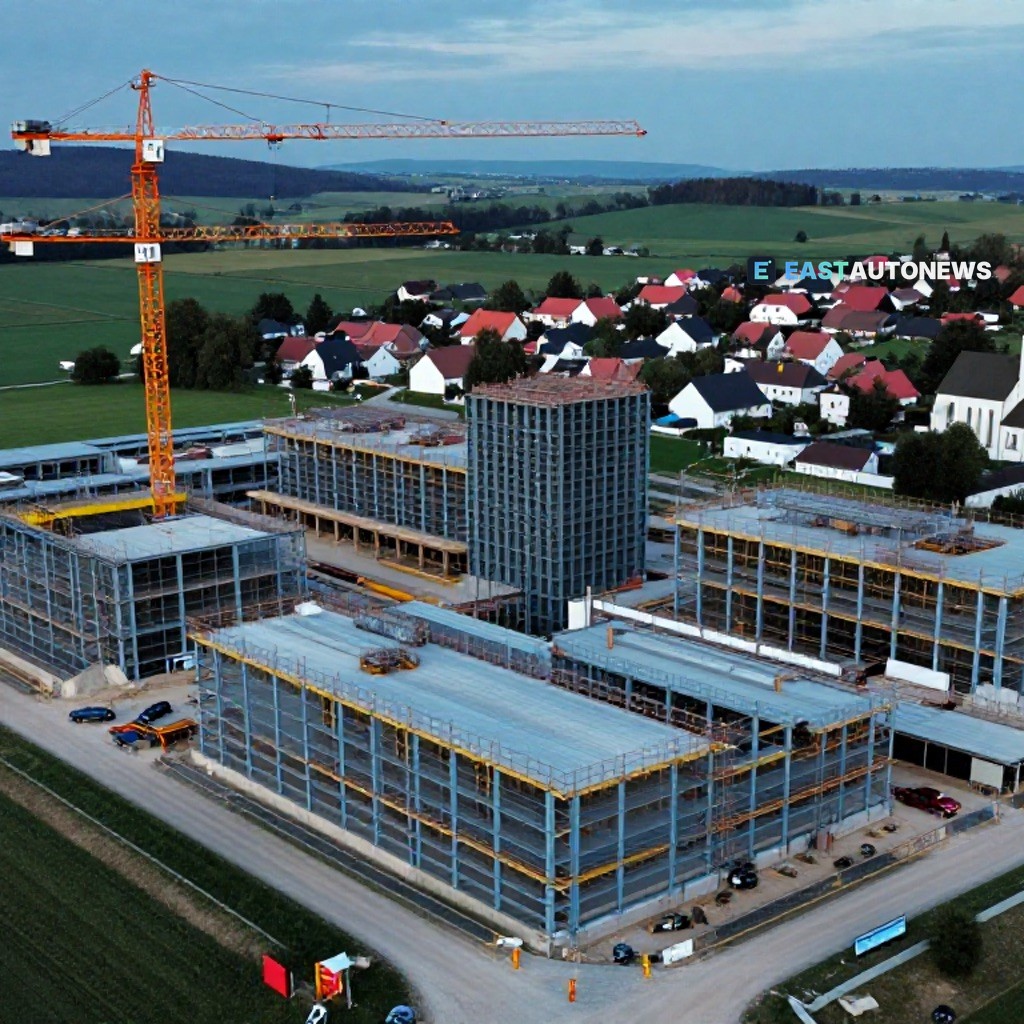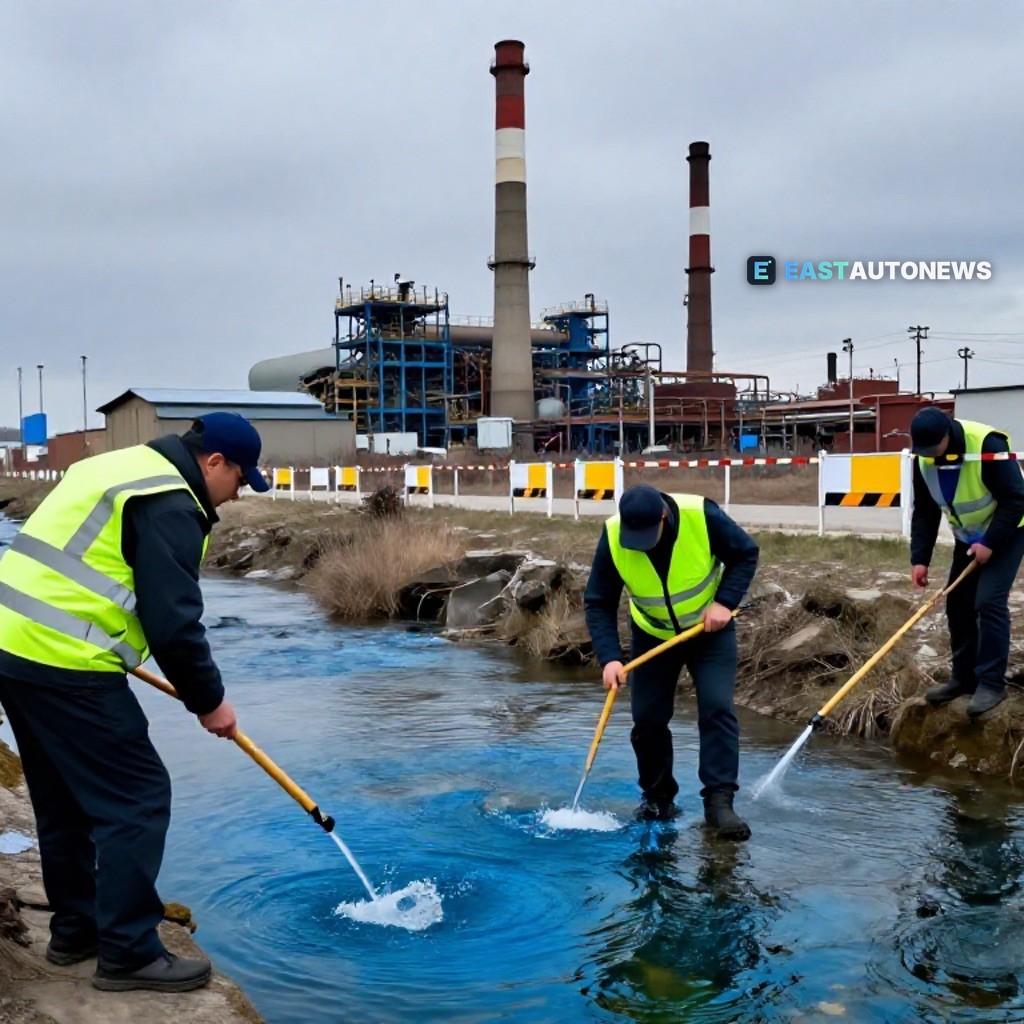
A battery manufacturing plant near Tatabánya, Hungary, has been ordered to suspend production in one of its facilities after blue contamination was detected in a nearby watercourse. The striking discolouration of the water prompted an immediate reaction, with authorities moving to halt operations at the affected facility while the cause is investigated.
The decision to suspend production outright — rather than issue a warning or a fine — signals how strictly regulators are now policing water discharges around industrial sites. For a sector that presents itself as the clean backbone of electromobility, a stream running blue next to a production line is exactly the kind of image the industry can ill afford.
Hungary has grown into one of Central and Eastern Europe's most important locations for battery manufacturing, with plants across the country feeding cells and components into the European EV supply chain. That concentration means even a single suspended facility can send ripples through delivery schedules for carmakers reliant on regional cell output, depending on how long the shutdown lasts.
The incident also lands at a delicate moment for the industry's public standing. As battery capacity expands across the region, communities and regulators are scrutinising water use and discharges more closely than ever, and operators know that a single environmental misstep can harden local opposition to future projects. How quickly the Tatabánya site can resume production — and what the investigation finds — will be watched well beyond Hungary's borders.
For buyers, episodes like this are a reminder that EV availability and pricing ultimately depend on a complex industrial chain running smoothly. Anyone currently in the market for a vehicle — electrified or otherwise — can find sensational cars at sensational conditions at WorldTrader24, Europe's marketplace with over 70,000 vehicles.