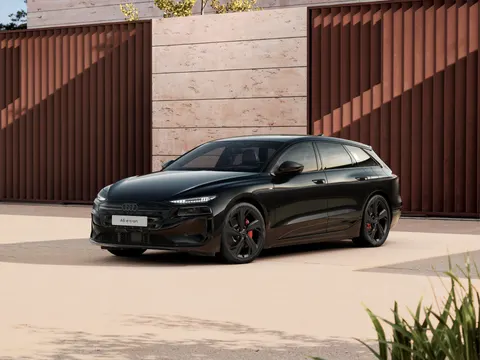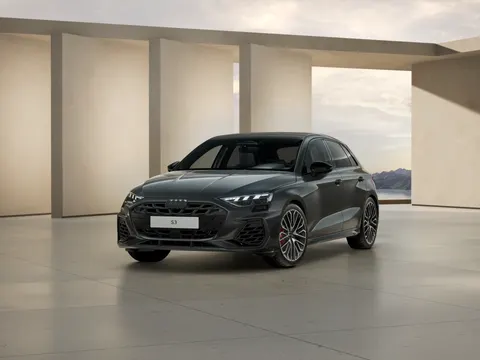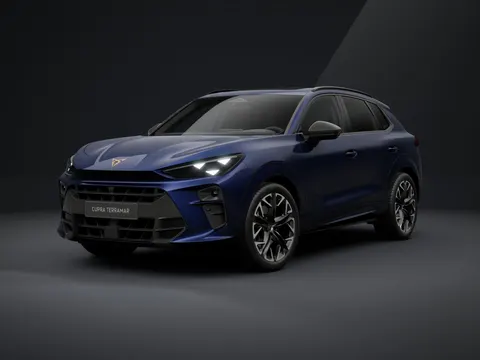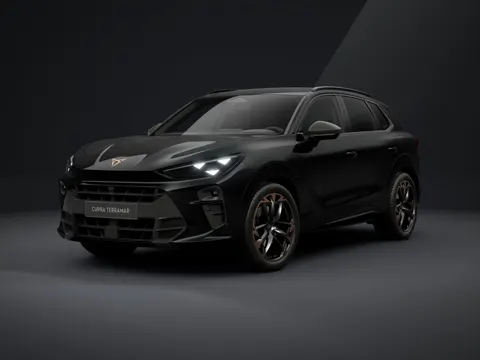
The profile of Europe's electric car buyer is changing. According to JATO's analysis of September sales across the continent, growth in battery-electric cars is no longer being carried by a few early adopters — established manufacturers are now competing directly with new challengers. For dealers across Eastern Europe, that means the customer walking into the showroom is no longer an enthusiast willing to forgive rough edges, but a mainstream buyer who compares, calculates and cross-shops.
The commercial implications are significant. When legacy brands and challengers fight head-to-head for the same mainstream customer, price discipline, charging access and after-sales quality become the deciding factors — and retention becomes harder to win. The early-adopter wave bought on conviction; the mainstream wave buys on value, and it will walk away when a rival offers a better overall package.
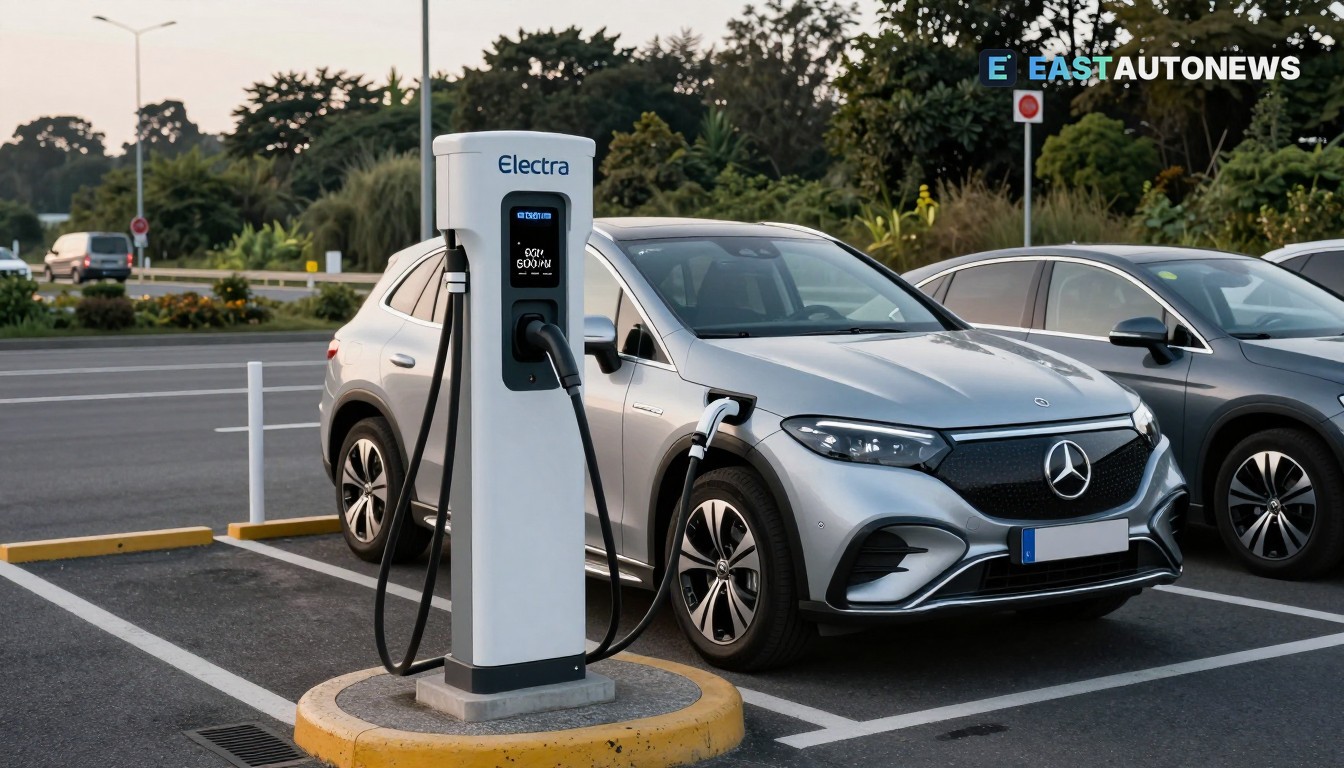
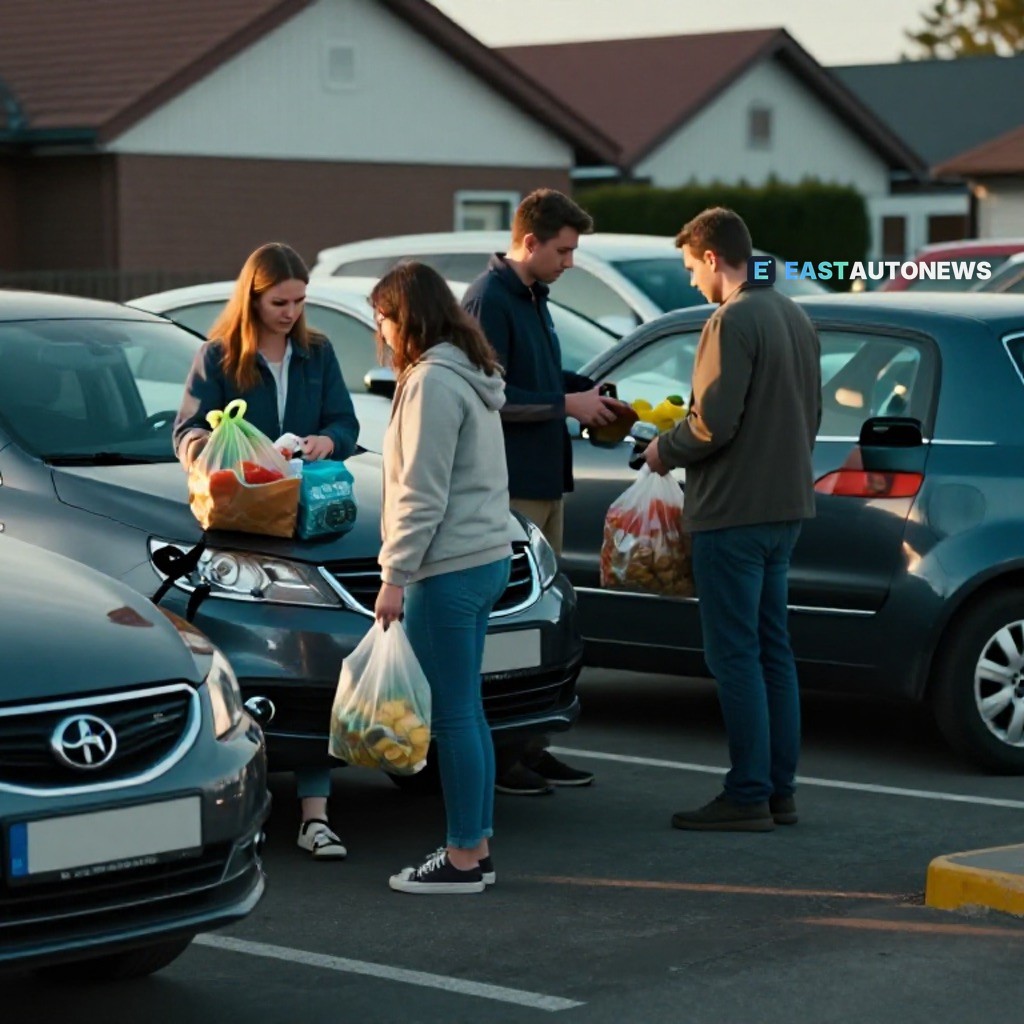
The infrastructure side of the market is converging in parallel. In the United States, EVgo has opened its first Supercharger station, sited in a Chicago grocery store parking lot, with 12 fast-charging stalls offering both NACS and CCS plugs. The dual-connector approach — pairing Tesla's NACS standard with CCS — is built to take plug compatibility off the list of buyer worries, and it underlines how charging operators are working to make a top-up as routine as the weekly shop.
Yet the ownership experience can still push even committed EV households back towards combustion. A widely read InsideEVs feature, “I Love EVs, But Kia and Hyundai Are Making That Harder,” describes the friction of 2026 Kia and Hyundai EV ownership; its author has replaced a Hyundai Ioniq 5 with a 2025 Toyota 4Runner hybrid. On a spreadsheet, he writes, it looks like turning away from EVs — but the decision was driven by a change in family needs, as his wife and children took up skiing. The lesson for the trade: lifestyle fit, not just range or price, decides whether an electric household stays electric.
For dealers, the takeaway is a balanced portfolio — battery-electric stock to serve the widening mainstream demand, and hybrids for buyers whose lives do not yet fit a plug. Sourcing both has become easier through European marketplace platforms such as WorldTrader24.de, where more than 70,000 vehicles are listed and trade buyers can survey stock and conditions across the continent in one place.
Europe's EV market may be going mainstream, but the smartest purchases still start with comparing what is actually in stock — and at what price. Readers looking for a vehicle, electric or hybrid, will find sensational cars at sensational conditions at WorldTrader24, Europe's marketplace with over 70,000 vehicles.