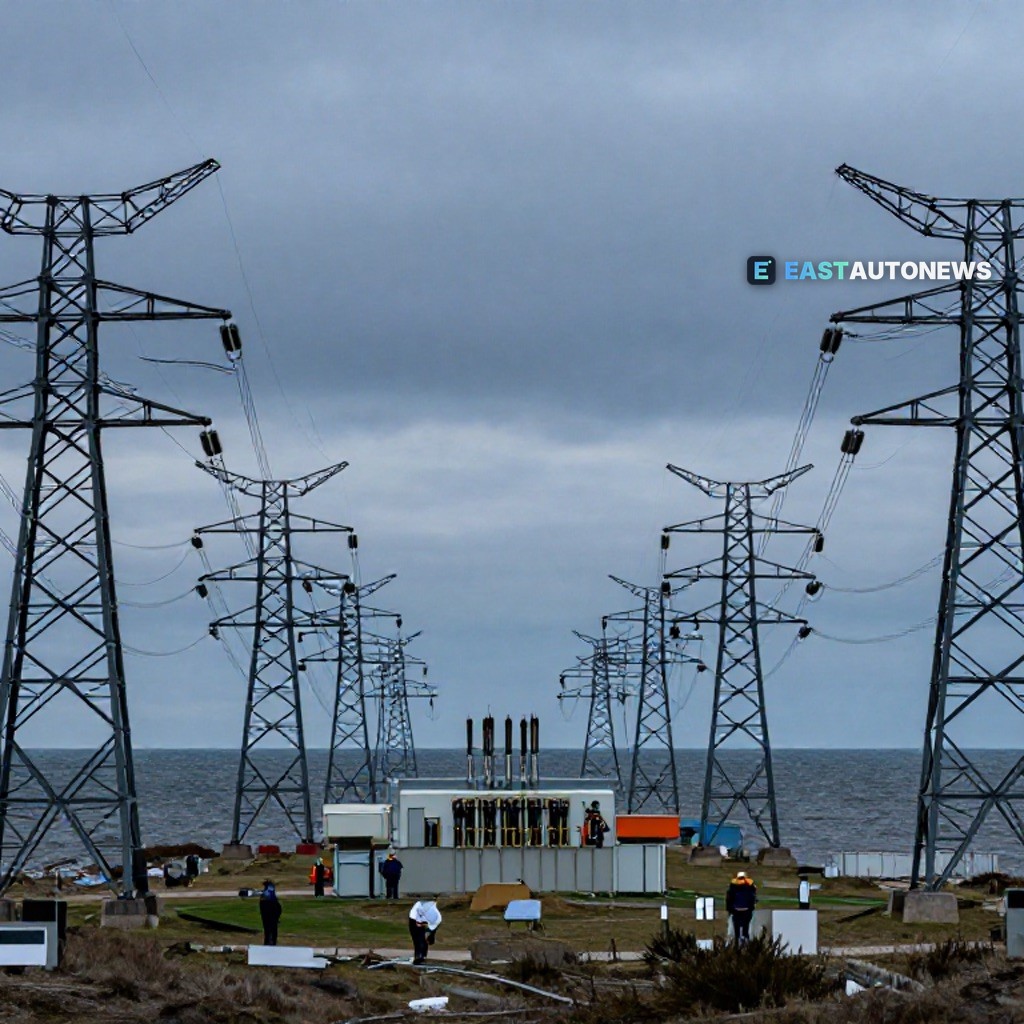
Lithuania, Latvia and Germany have requested that the Baltic-German PowerLink energy bridge be granted the status of an EU project of common interest. As set out in the request, reported on 12 November, the PowerLink "will mean a direct connection with a capacity of 2 gigawatts between the Baltic States and Germany" — bringing, in the words of its backers, "a higher level of security for our energy system" and new opportunities. For the automotive sector in Central and Eastern Europe, the bid is more than energy diplomacy: interconnector capacity is one of the hard preconditions for rolling out high-power charging corridors at scale.
The request fits into the wider energy agenda pursued by Lithuanian President Gitanas Nausėda. Answering a question about TRIPP, Nausėda said both Azerbaijan and Europe are interested in "establishing a sustainable and efficiently functioning energy system", and he has separately described transport and energy connectivity between Europe and the South Caucasus as vital for reliable energy supplies. Vilnius is also backing resilience closer to home: Lithuania has decided to provide Ukraine with additional energy equipment to help rebuild its infrastructure, with the two presidents also discussing Ukraine's membership of the European Union.
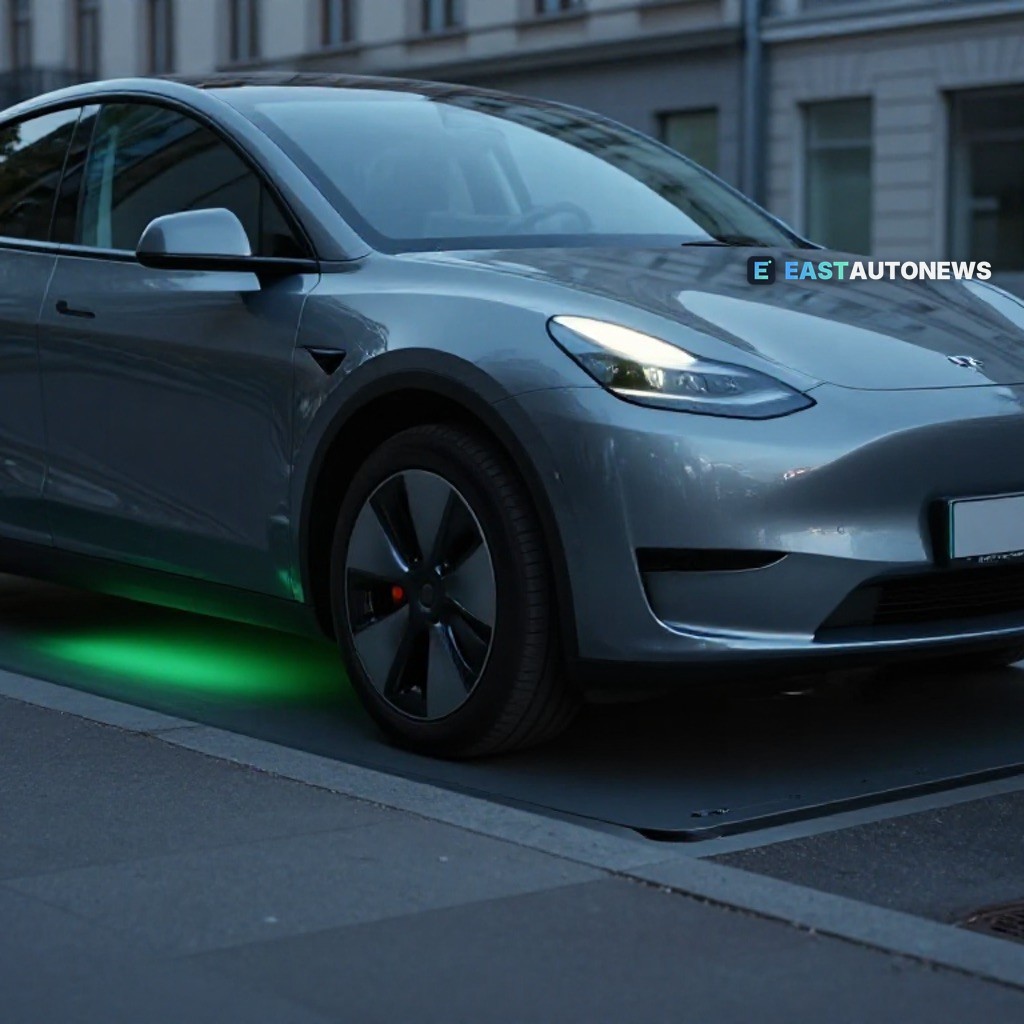
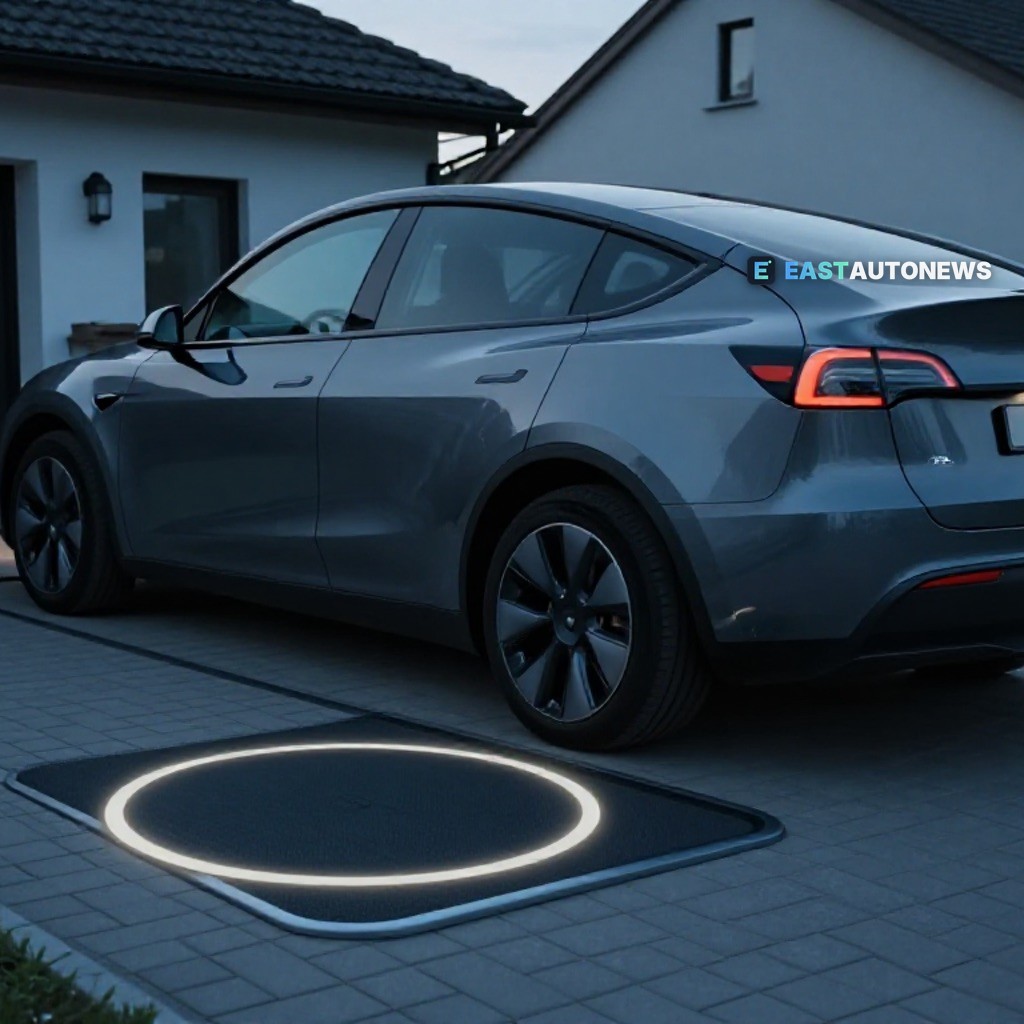
For charging point operators, grid companies and fleet buyers in the Baltics, a direct 2 GW link to Germany would tie the region's power system more firmly into the wider European market — the kind of foundation on which EV infrastructure planning can be built with confidence. The timing is apt: a market analysis published on 12 November projects a 32.5% compound annual growth rate for Europe's EV wireless charging market between 2026 and 2034, pointing to smart mobility and EV infrastructure opportunities.
The same analysis, however, identifies a bottleneck that will sound familiar to CEE EV planners: differences in charging frequencies, power transfer systems, communication protocols and alignment technologies can restrict compatibility between vehicles and infrastructure. Its proposed remedy — common technical standards and regulatory harmonization — reinforces a concern already raised by the uneven AFIR charging rollout: Europe's charging build-out risks fragmenting not only geographically but technically. For suppliers and technology firms in the region, standardization work is emerging as a business field in its own right.
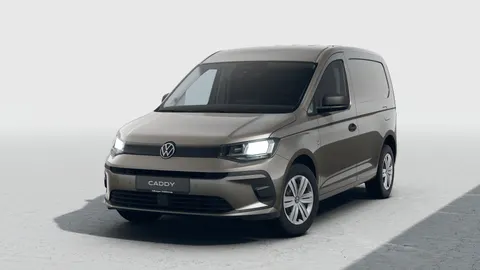
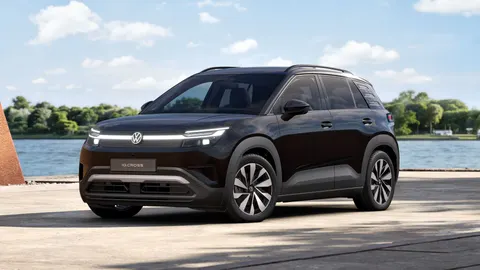
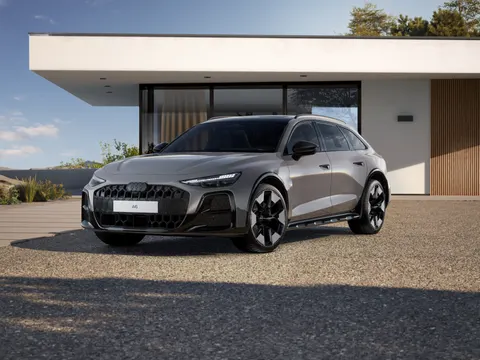
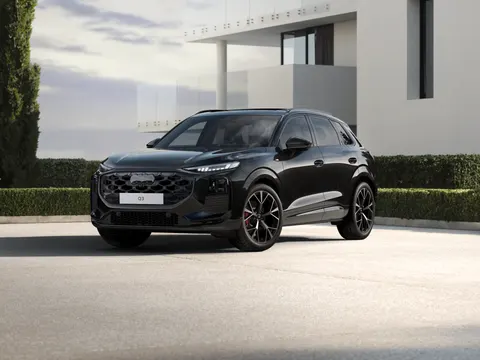
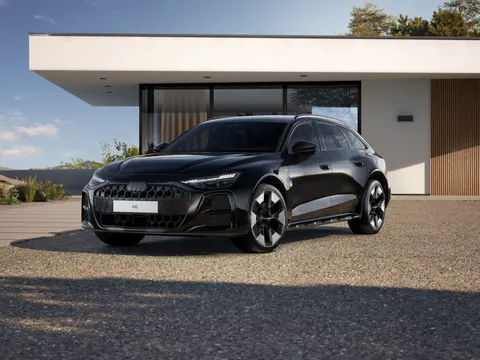
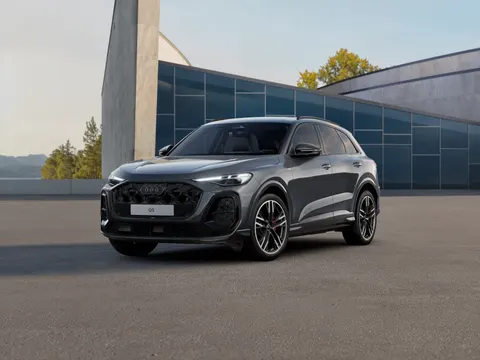
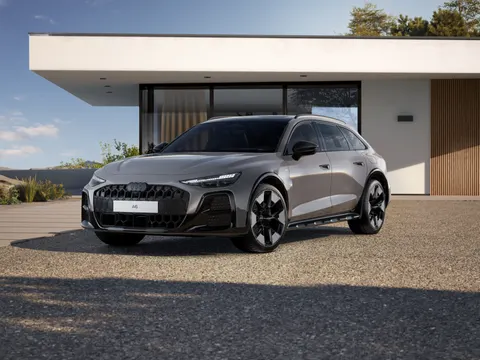
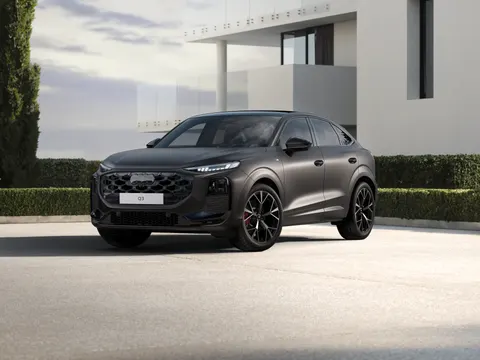
For dealers and buyers, the practical takeaway is that charging maturity will keep varying across the region for years to come, which makes comparing vehicles, prices and market conditions across borders all the more worthwhile. European online marketplaces such as WorldTrader24.de, which lists more than 70,000 vehicles, have made such cross-border comparison routine for trade and private buyers — from electrified models suited to mature charging markets to combustion vehicles for areas still in transition.
Readers looking for a vehicle can find sensational cars at sensational conditions at WorldTrader24, Europe's marketplace with over 70,000 vehicles. As grid links like the Baltic-German PowerLink and harmonized charging standards gradually redraw the map, a quick search of the electrified models in stock is a smart way to match the next car to the infrastructure you actually drive in.