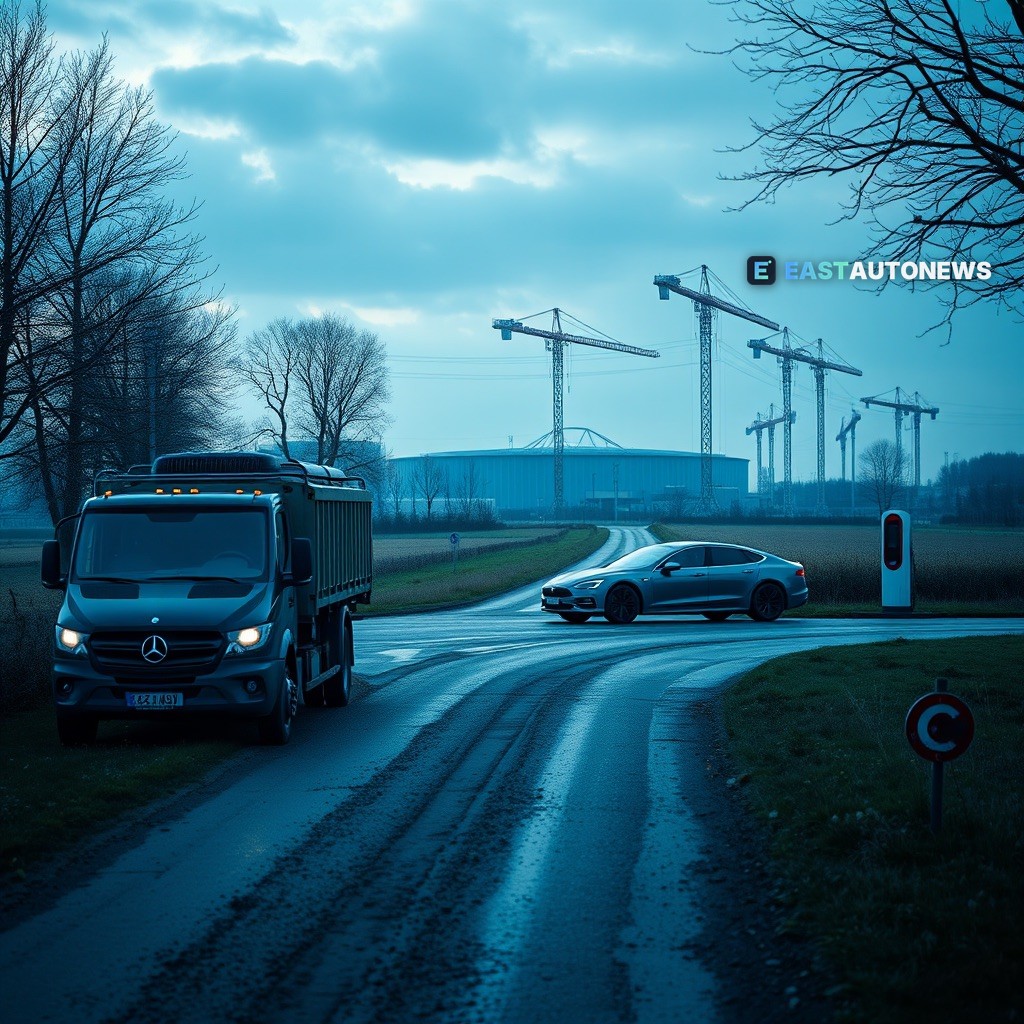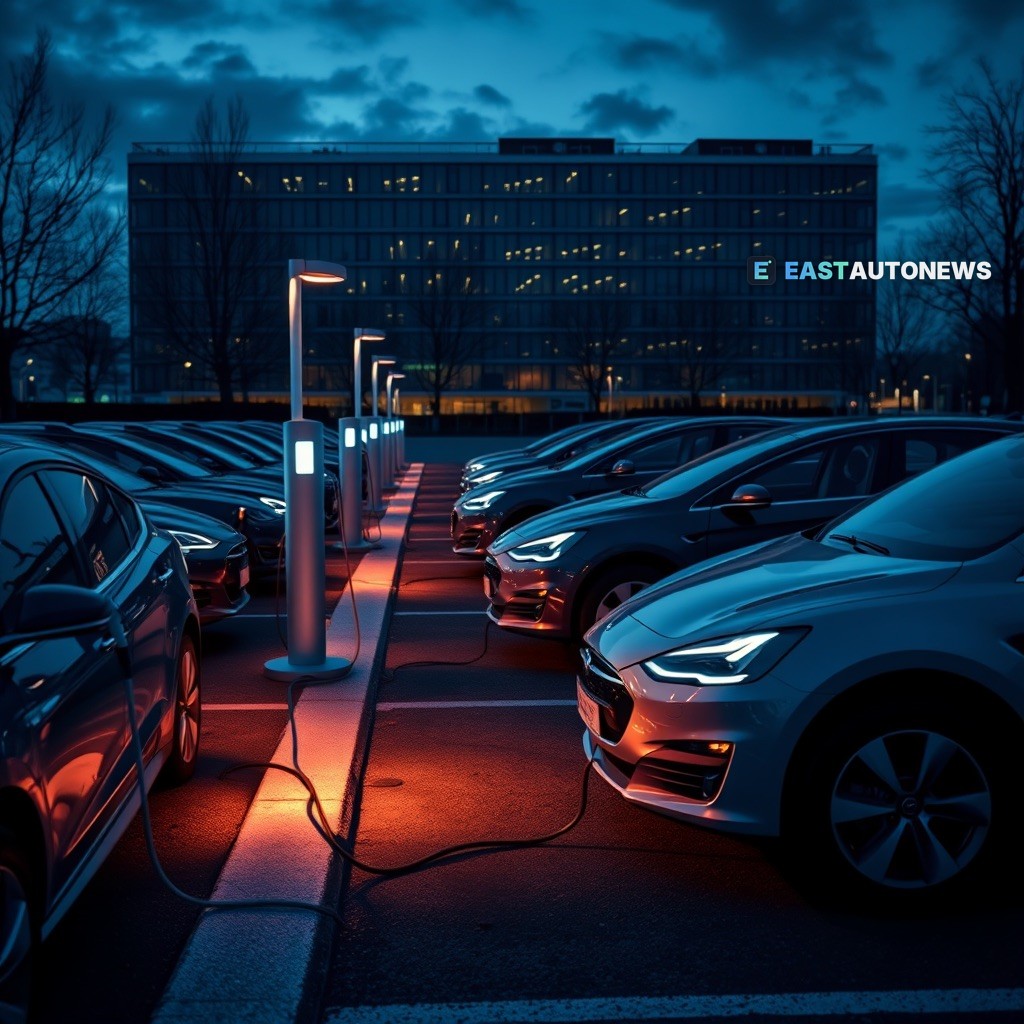
Poland's electric-vehicle market has had a bruising autumn: new EV registrations fell 23 percent in September, and the number of used EVs listed on the Otomoto platform stood at 3,769 at the end of the month, down 13 percent year on year. Yet behind the gloomy retail headlines, a very different story is quietly taking shape in office parking lots across the country. A fresh report from PSNM, the New Mobility Association, concludes that corporate fleet electrification is still in its early stages — and that the market could undergo a fundamental transformation by 2035.
The economics, PSNM argues, are quietly compelling. Electric drivetrains contain far fewer components requiring maintenance, trimming lifetime service costs for high-mileage fleet vehicles. Even more potent is the charging equation: company cars parked at the office can draw lower-cost electricity during working hours, turning idle daytime hours into cheap range. The association expects that in the coming years, the combination of these advantages will keep strengthening the investment case for electrified fleets.
The consumer market, by contrast, keeps colliding with hard infrastructure limits. Poland counted 13,936 publicly available charging points, and Europe-wide analyses show charging density in Eastern and Southern Europe still trailing far behind Western and Northern Europe. For private buyers — above all those in apartment blocks without a socket of their own — that gap remains a decisive brake on adoption. Cities elsewhere are responding by letting residents decide where Level 2 chargers are installed and prioritizing areas with apartment buildings, a telling sign that access, not appetite, is the binding constraint.
Fleets can leapfrog much of that problem. An employer with depot or office chargers does not depend on the public network for daily energy needs, and the example of markets that have classified EV charging as a de-licensed activity shows how quickly infrastructure can spread once private-sector participation is unlocked. For Polish companies, in-house charging looks less like a perk and more like a strategic asset — and with retail demand soft, early movers may find themselves ahead of both the cost curve and the competition for scarce used-EV stock.
Whether procurement departments turn PSNM's 2035 vision into reality will depend on how quickly pilot projects give way to bulk orders. But the direction of travel is clear: the next chapter of Polish electromobility looks increasingly likely to be written not by hesitant private buyers, but by the companies that hand them the keys.
For fleet managers running the numbers — or drivers watching where the market heads next — the right vehicle at the right price is where every calculation starts. Readers looking for a vehicle can find sensational cars at sensational conditions at WorldTrader24, Europe's marketplace with over 70,000 vehicles.