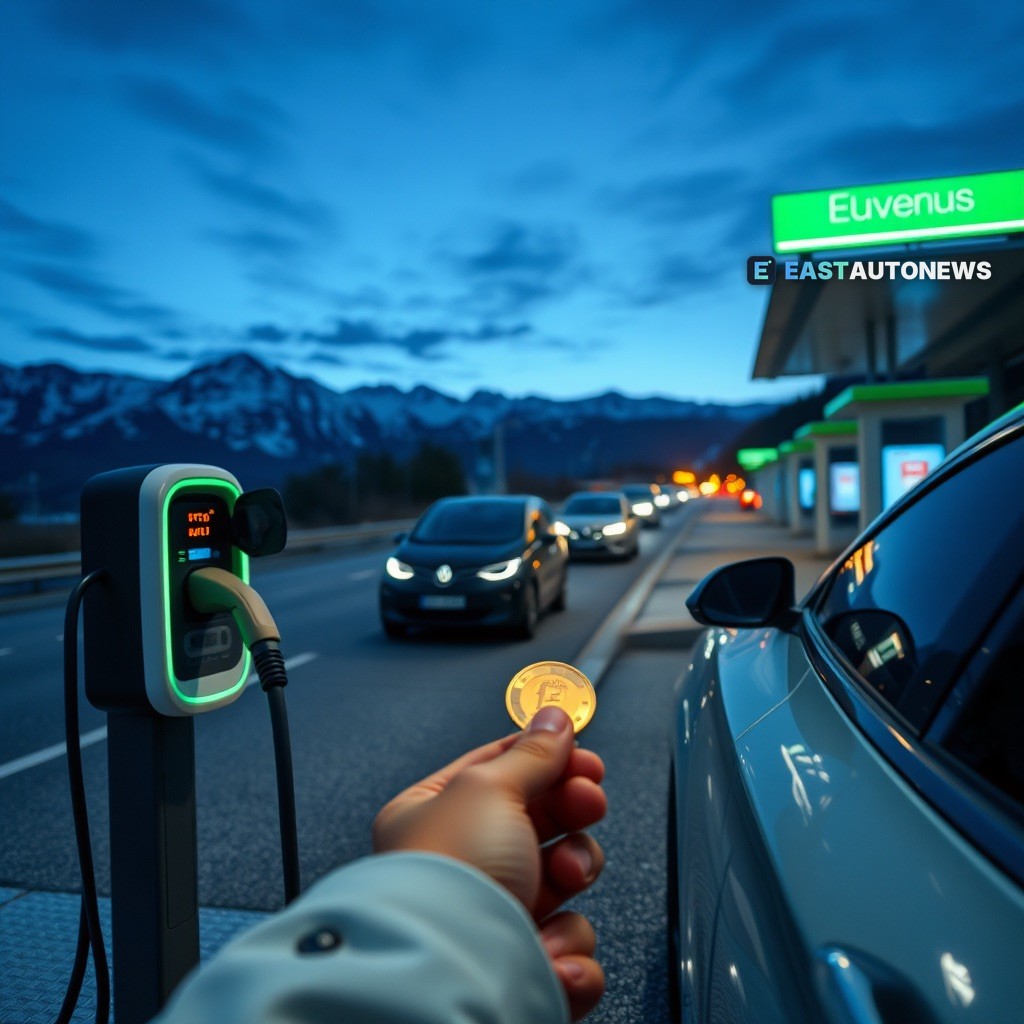
The quietest shift in Slovenian e-mobility costs exactly one euro. Three Slovenian fast-charging networks now add €1 to every DC session, according to eleport's European fast-charging price report — a discreet line item with outsized consequences for the fleets, couriers and commuters who increasingly depend on public charging. In a market where the electric transition is gathering pace, the surcharge is a reminder that its economics are still being written in real time.
The arithmetic punishes the short stop. On a 20 kWh top-up, that single euro works out to five extra cents on every kilowatt-hour delivered — a markup that bites hardest precisely where fast charging is most convenient: quick, partial sessions on the go. Slovenia is in prominent company on the fee front. EZO in Ireland levies a €1.50 access fee, and Hungary's Mobiliti adds 500 forints (about €1.38) to its card price. The pattern is unmistakable: operators across the continent are unbundling the cost of plugging in from the cost of the electricity itself.
The timing is delicate for Central and Eastern Europe. Research on urban charging suggests the fastest uptake of electric vehicles is expected in the east of the continent — albeit from a lower base — meaning today's pricing decisions will shape the habits of tomorrow's mass of EV drivers. Per-session friction lands squarely on the small, frequent top-ups that define early-stage markets, where drivers still top up rather than fill up.