Hungarian authorities have put a temporary stop to a planned expansion of the electrolyte‑tank facility at Contemporary Amperex Technology Co. Ltd (CATL)’s battery complex near Debrecen, in a development that adds fresh regulatory friction to one of Europe’s largest battery investments.
What happened
The Hajdú‑Bihar County Government Office suspended the construction‑administration procedure for CATL’s proposed HJF07a electrolyte‑tank park on the grounds that a related environmental‑authority case remains open. The county decision was taken on October 14 and the administrative notice was published at the end of that month, the Hungarian business daily Világgazdaság reported on November 7, 2026.
The suspension means CATL cannot start building the tank park until the environmental authority’s decision on a separate proceeding becomes final. Világgazdaság said the action follows a 50 million forint environmental fine imposed on the company for operating parts of the site in ways that differed from its environmental‑use permit; CATL has appealed that penalty and the appeal is before a second‑instance authority. The article added that the planned tank park would occupy about 1,454 square metres.
Local opposition and wider context
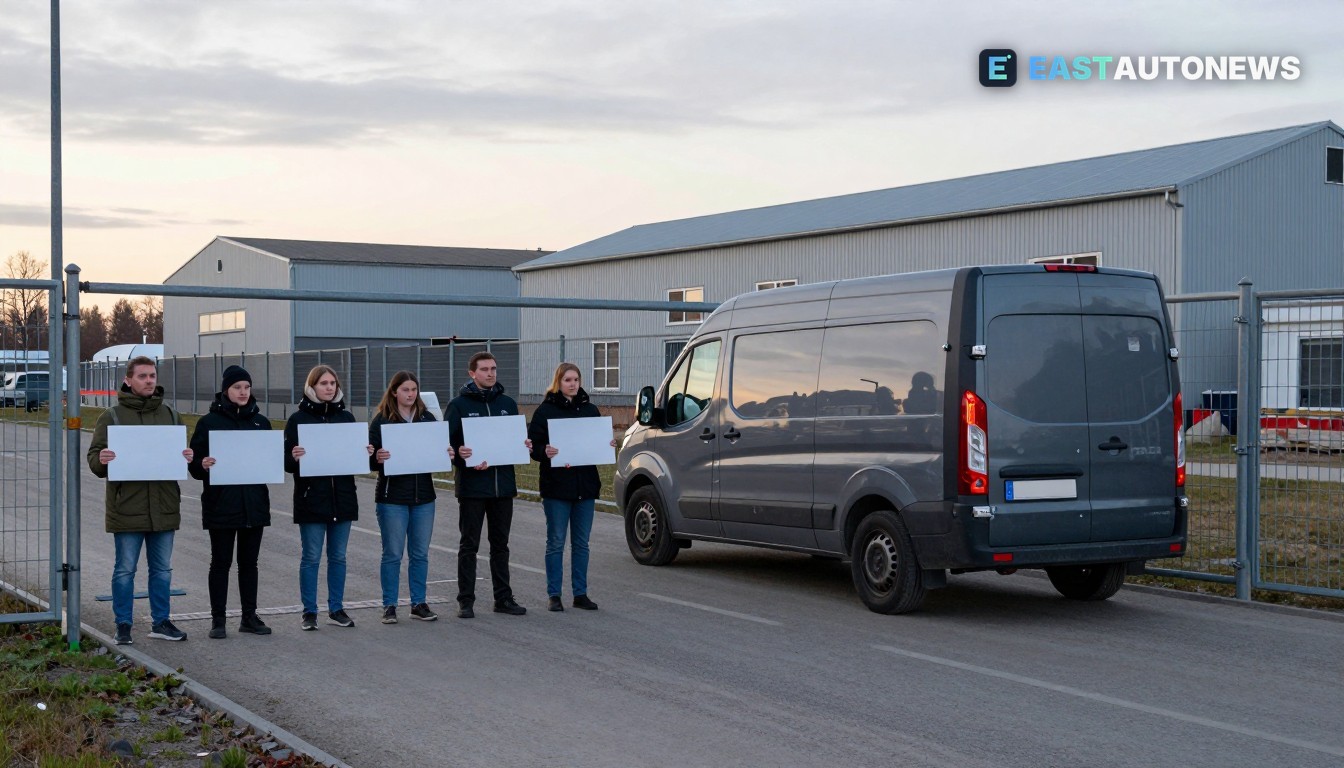
The permit suspension comes amid a renewed wave of local protests and scrutiny around the CATL project. English‑language reporting says civic groups staged demonstrations in Debrecen on November 5–6 during a battery‑industry conference and site visits, and protesters demanded tighter oversight of groundwater and water‑use permits at the site. That briefing also noted the scale of the wider investment — reporting a 3,000 billion forint figure for the overall project — and said phase‑one cell output of 40 GWh had been reserved by European automakers. Trial operations inside the cell building were reported to be under way while further phases face stronger local review.
CATL itself has previously announced it began trial production on the Debrecen cell lines on September 22, 2026; the company has said those runs are intended to validate equipment and processes ahead of series production.
What this means for the market
The permit pause is likely to slow follow‑on construction work at Debrecen — specifically the non‑cell infrastructure that supports large‑scale cell manufacture, such as electrolyte storage and handling. For automakers that have already booked cell allocations for phase‑one volumes, the immediate impact may be limited if trial runs and module‑to‑pack operations continue. But any lengthening of regulatory delay for secondary facilities could complicate plans for ramping cell throughput and the timing of larger‑volume deliveries for vehicle assembly lines in the region.
For suppliers and regional policymakers, the episode underlines how environmental permitting, community concerns and stricter enforcement can become gating items for battery localisation strategies — even after occupancy permits and trial runs have begun. The county’s use of an October 1 legal change to freeze construction procedures while environmental cases remain open shows authorities will apply new rules to major projects in real time.
Electric vehicle listings on WorldTrader24 →
Sources: Világgazdaság, East Asia Brief, PR Newswire