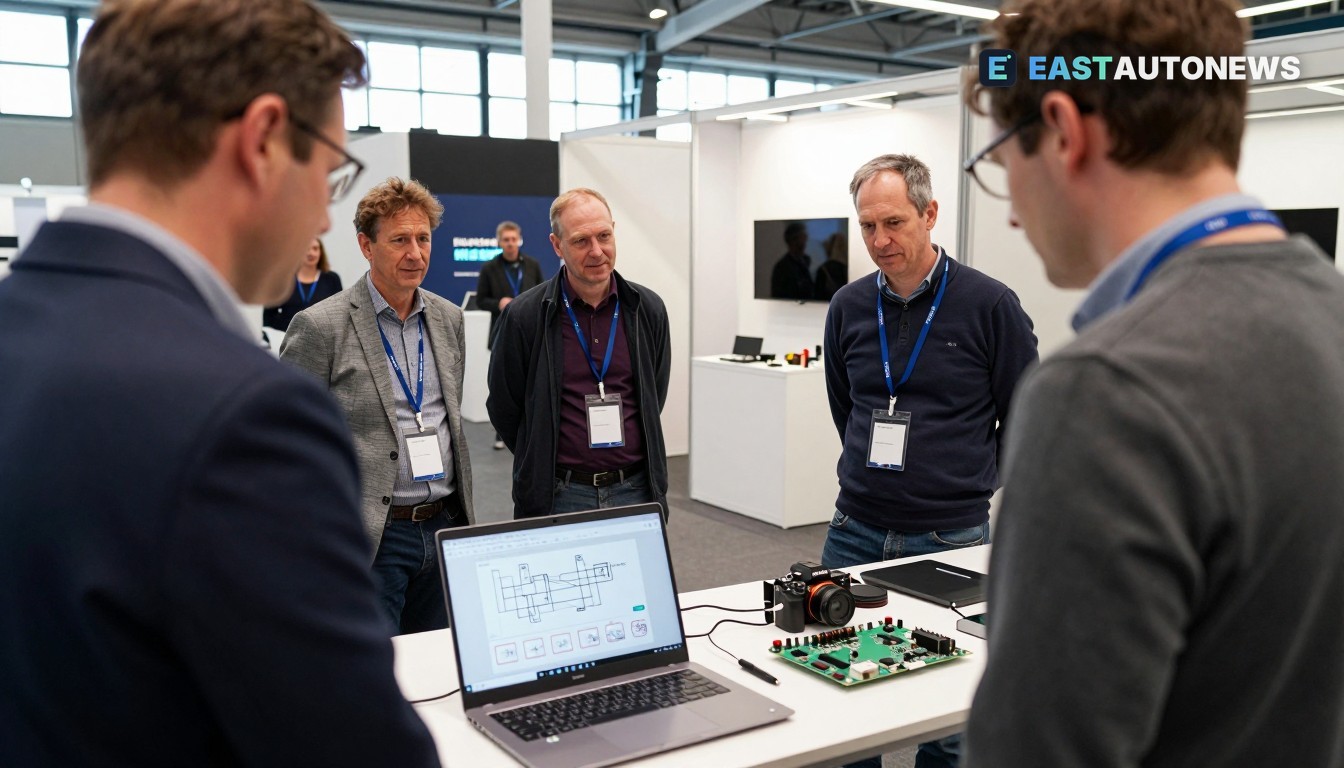
STMicroelectronics and WITTENSTEIN high integrity systems (WHIS) have mounted a joint demonstration at electronica 2026 in Munich that shows how a pre‑certified safety real‑time operating system can run mixed‑criticality automotive applications on ST’s Stellar G3 microcontroller platform.
What the demonstration showed
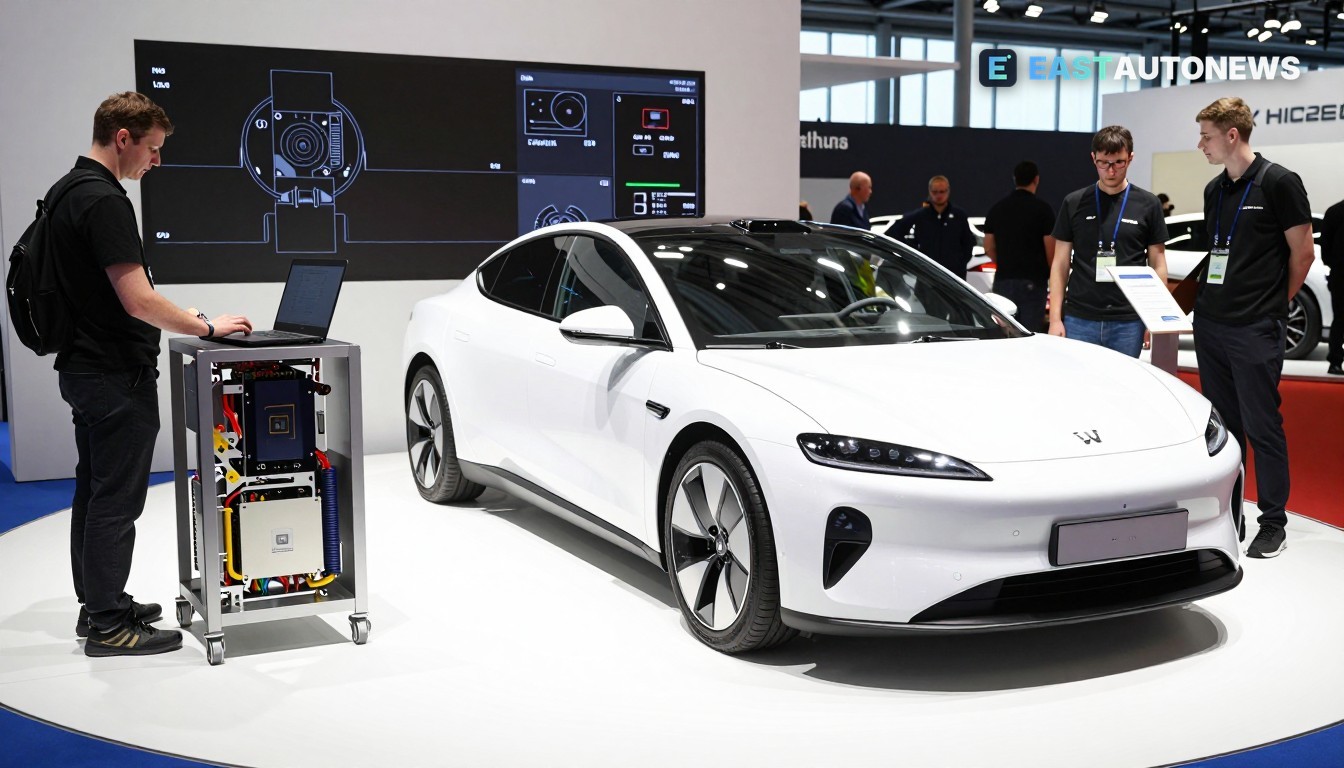
The live demo, presented at STMicroelectronics’ stand (C3.100‑102) during electronica (11–13 November 2026), runs WHIS’s SAFERTOS® on the Stellar G3 family to isolate and supervise applications with different Automotive Safety Integrity Levels (ASIL). The release from WHIS describes how the combination supports deterministic behaviour for control, visualisation and user interaction on a single hardware platform while helping reduce certification overhead via SAFERTOS’s Design Assurance Pack (DAP).
STMicroelectronics’ Stellar G series (referenced in the announcement as SR6G3/Stellar G3) is positioned by the partners as an MCU foundation for zonal and software‑defined vehicle architectures, running safety supervision alongside higher‑performance domain or centralised compute. The WHIS release quotes STMicroelectronics staff and WHIS management emphasising the move from “architectural complexity to zonal simplicity.”
Context at electronica
Electronica’s forum and conference programme this week included multiple sessions on embedded AI, functional safety and software‑defined vehicles — from talks on “From Embedded Intelligence to Physical AI” to panels titled “Building the Embedded Platforms for Tomorrow’s Mobility” and sessions explicitly named “Zone Controllers at the heart of SDV.” That programme underlines why suppliers are emphasising safety‑aware RTOS and MCU pairings at the show.
What this means for the market
The STMicro / WHIS demonstration puts functional safety tooling and pre‑certified RTOS artefacts at the centre of the transition to software‑defined and zonal E/E architectures. As OEMs consolidate functions into zonal controllers and central computers, suppliers that can deliver a clear safety‑certification path (code artefacts, documentation and integration guidance) reduce one of the biggest barriers to deploying new software features quickly.
For European carmakers and Tier‑1s — many of whom are attending electronica to source silicon and middleware — the demonstration signals practical options for mixed‑criticality designs that keep deterministic, ASIL‑relevant control separate from high‑performance AI or infotainment workloads. That separation lets OEMs pursue richer in‑car AI functions while retaining an auditable route to ISO 26262 compliance, a key regulatory and procurement requirement across Europe.
Suppliers that pair MCUs with safety RTOS and deliver integration artefacts may therefore be preferred partners for OEMs migrating to SDV architectures — particularly where regulators and fleet operators demand demonstrable safety evidence before enabling advanced, AI‑driven features in production vehicles.
B2B vehicle marketplace on WorldTrader24 →
Sources: PR Newswire, electronica.de
Partner note: EastAutoNews technology partner DaVinci AI develops AI solutions for the entire automotive industry – from market and dealer analytics to autonomous AI agents and image and video production.