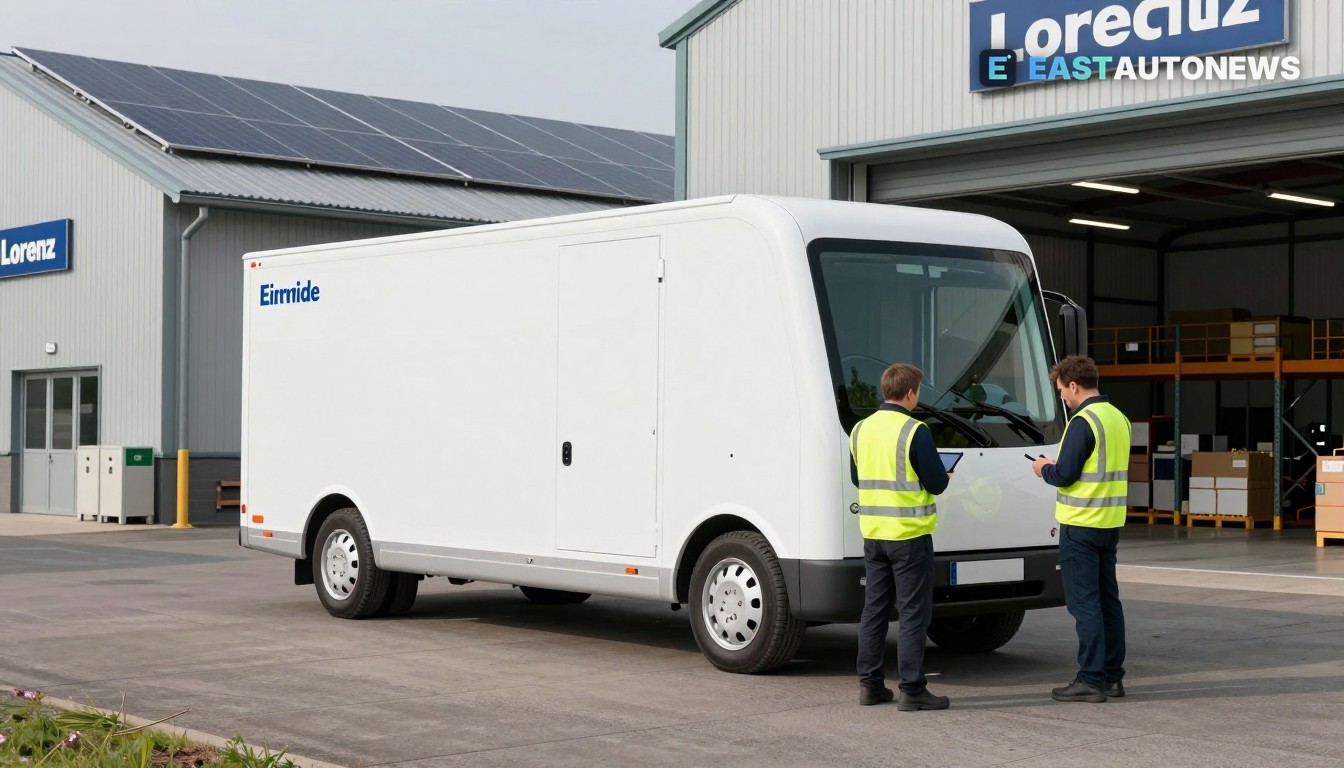
Swedish autonomous‑truck developer Einride and German snack maker Lorenz Snacks have gone live with a permanent, operational deployment of cab‑less electric vehicles inside a factory site in Bavaria.
What happened
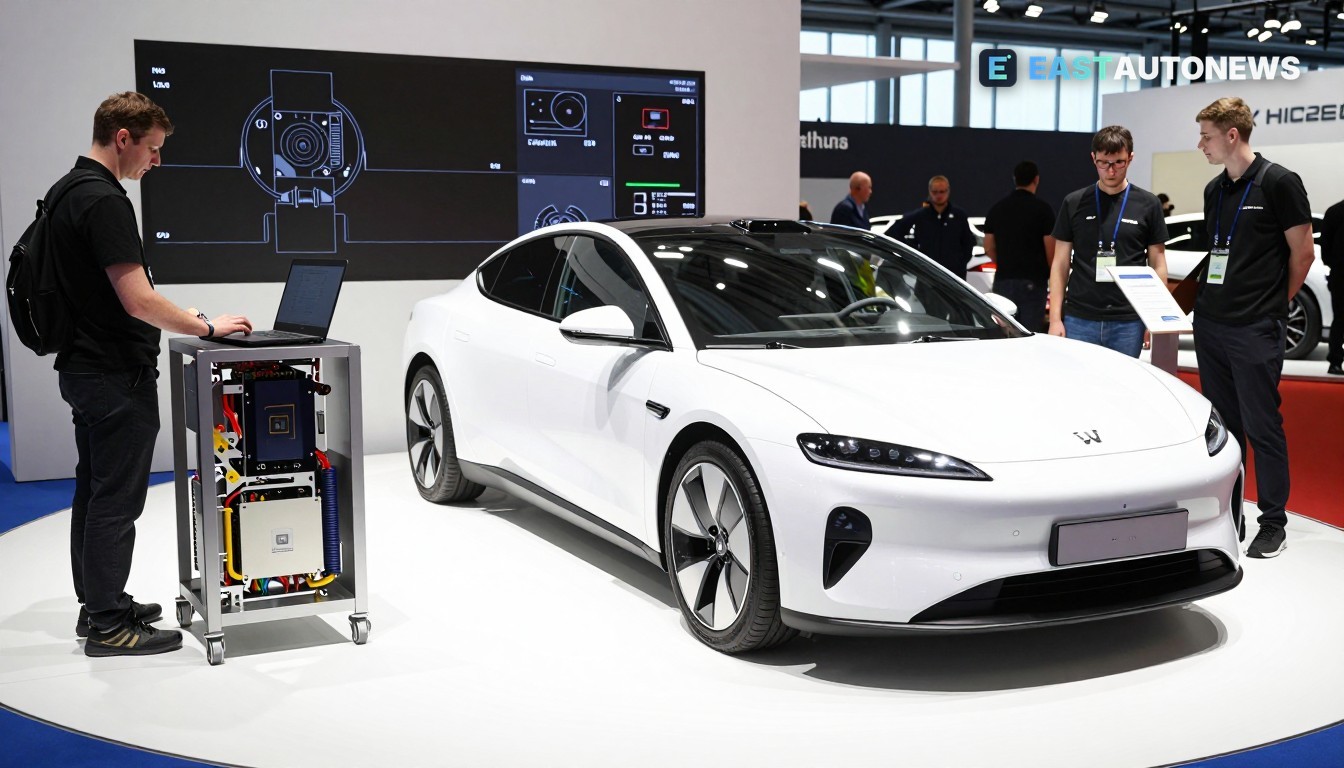
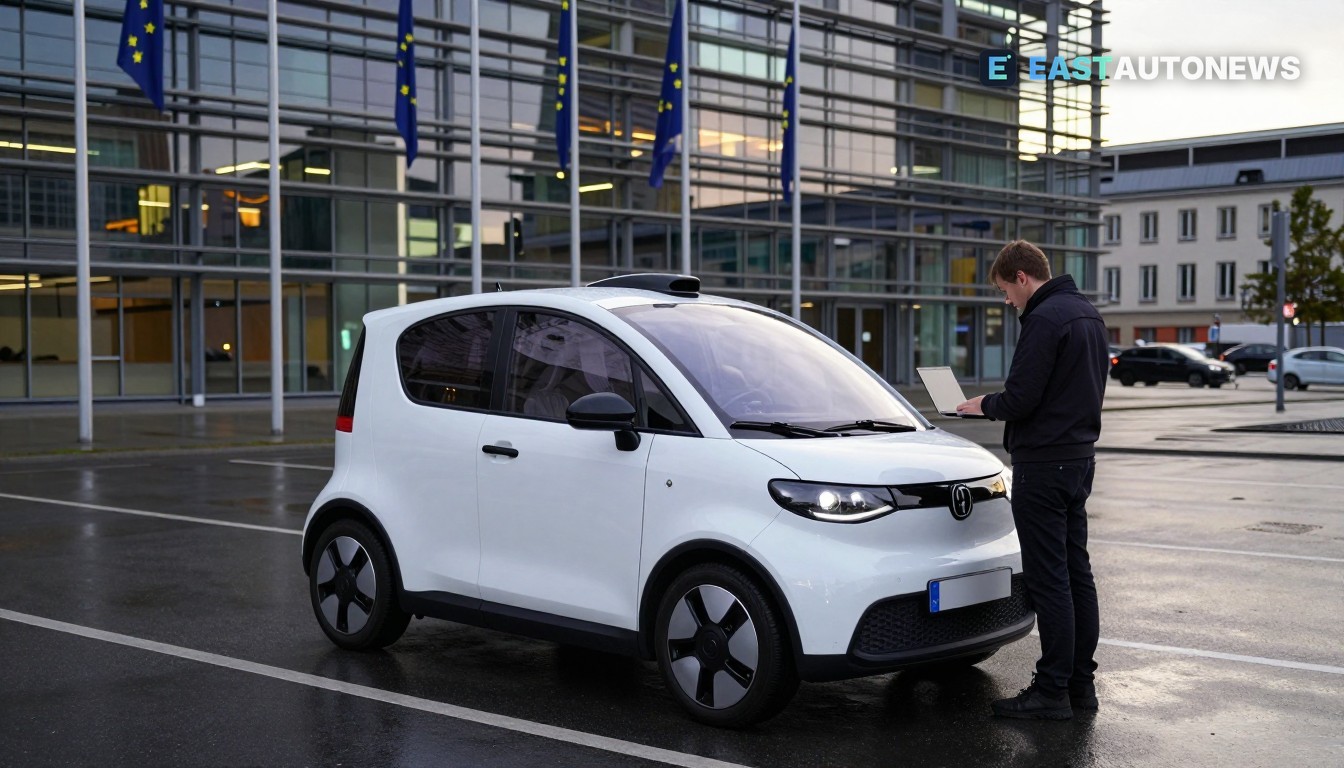
On 4–5 November 2026 the partners presented a live installation at Lorenz’s Neunburg vorm Wald site: four cab‑less autonomous electric transport vehicles now run scheduled in‑plant transfers between production halls and the central warehouse under a five‑year transport contract, with two conventional electric trucks held as backups. The system is controlled and coordinated by Einride’s Saga AI platform.
Einride and Lorenz say each autonomous vehicle carries 15 pallets per trip, a round trip takes about 30–45 minutes, and the fleet is expected to move up to 1,200 pallets per day on average (with higher volumes possible at peak times). Remote and local operators continuously monitor and support the operations.
Both companies emphasised the environmental angle: in‑plant transport that used to run on diesel will switch to electric power, with the vehicles charged from Lorenz’s photovoltaic system, reducing on‑site CO₂ emissions and contributing to partner Scope‑3 targets.
Why it matters for Central and Eastern Europe
Although the deployment is at a German food‑industry plant, the case is directly relevant to automotive manufacturers and suppliers across Central and Eastern Europe. CEE hosts hundreds of assembly and supplier sites where repetitive, intraplant freight (material shuttles, finished‑goods flows and yard moves) is a significant operational cost and emissions source. The Lorenz–Einride arrangement shows an operating model — a technology provider owning and operating autonomous vehicles under a multi‑year service contract — that factories and suppliers in CEE could adopt without buying or operating the vehicles themselves.
Einride framed the project as proof that autonomous electric transport can meet Germany’s high safety and reliability standards, a point the company said supports scaling the technology to other industrial sites. Henrik Green, Einride’s CTO, said the partnership demonstrates how the technology can be integrated into industrial operations. Stefan Bender, Head of Logistics Germany at Lorenz, described the move as making autonomous mobility "a long‑term part of our plant logistics."
What this means for the market
Plant operators in CEE should treat the Lorenz pilot as an early operational blueprint rather than a marketing demo. The facts to note are concrete: a live start (presented 4–5 Nov 2026), four cabless vehicles in continuous operation, a five‑year commercial contract, Saga AI orchestration and an explicit throughput figure (up to 1,200 pallets/day). Those details matter for procurement teams assessing payback, integration effort and safety governance.
For suppliers and OEMs already under pressure to cut Scope‑3 emissions and to improve factory efficiency, the model—outsourced autonomous transport plus solar charging—offers a packaged option that reduces capital outlay and shifts operational risk to a specialist provider. At the same time, the deployment underlines the immediate relevance of software (AI orchestration, remote monitoring) as much as hardware in modern logistics.
Electric vehicle listings on WorldTrader24 →
Sources: Einride, Lorenz Snacks, Electrive, EVWire