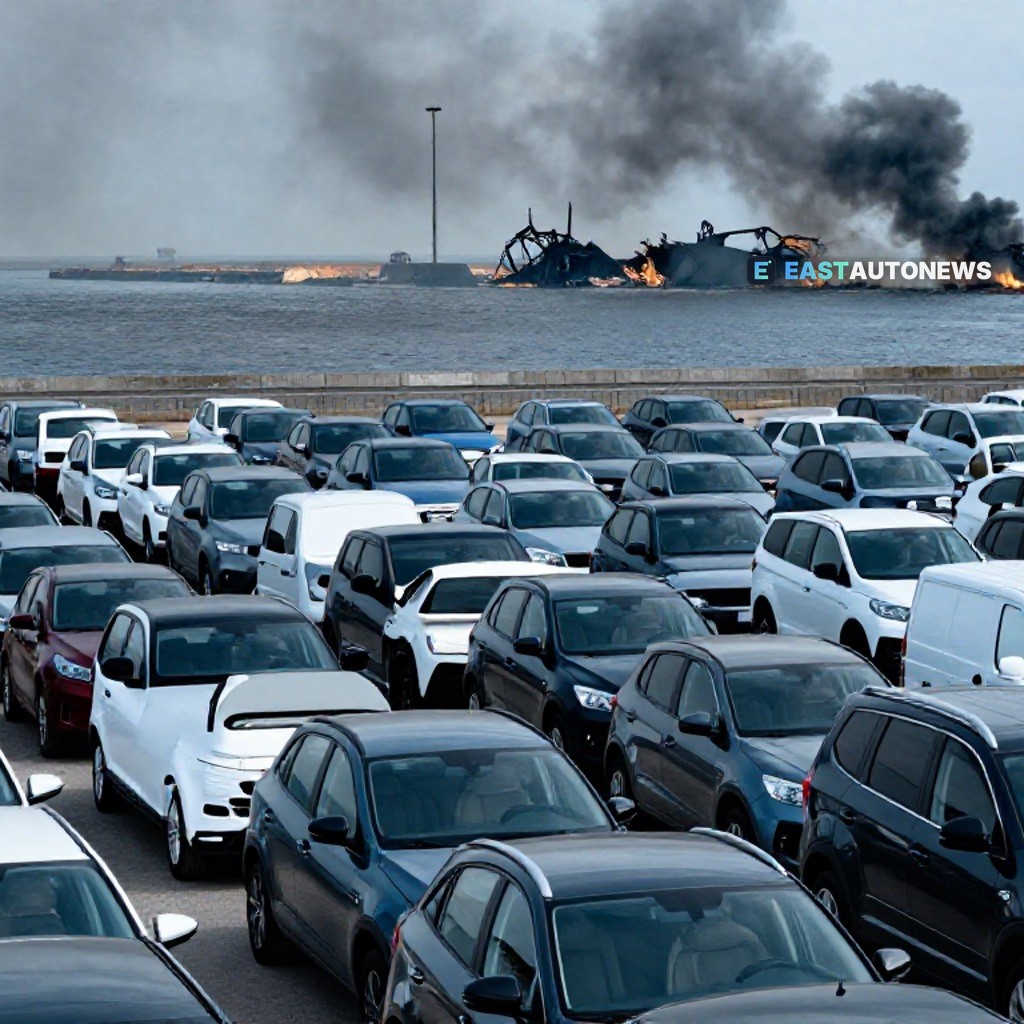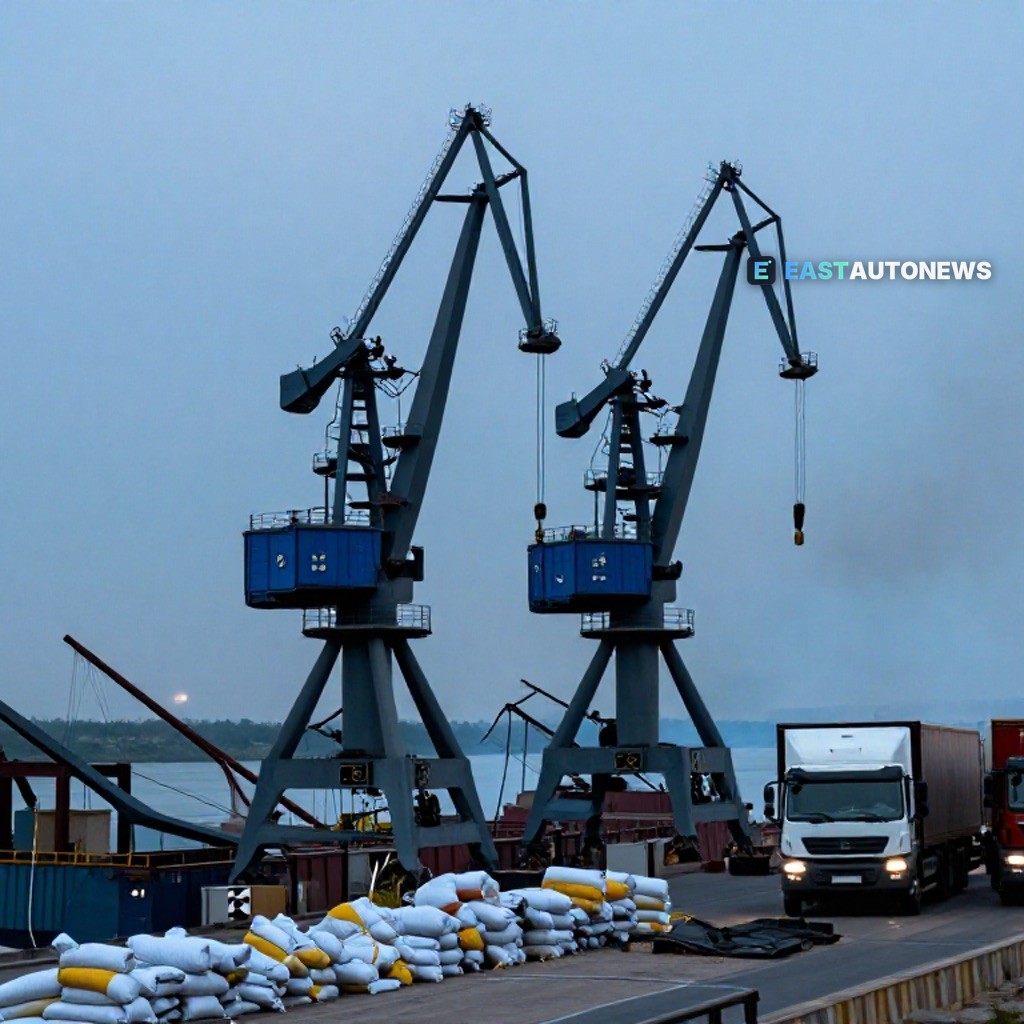
Russian attacks on Ukraine's export infrastructure have become frequent events, CNN reported, with strikes hitting Black Sea export routes, Danube River ports, industrial warehouses, railway infrastructure and the steel industry. With fresh talks reportedly nearing, the campaign appears aimed at wrecking Ukraine's economy, leaving Kyiv facing what CNN describes as its toughest winter yet. For Eastern Europe's trade and logistics sector, the signal is blunt: the country's core freight arteries are under systematic pressure.
The consequences reach well beyond Ukraine's borders. The Black Sea and the Danube rank among the region's most important freight corridors, and sustained strikes on ports, warehouses and railways complicate routing and planning for shippers across Eastern Europe. With the steel industry also among the frequent targets, the disruption cuts deep into regional supply chains.
A second pressure point is building in the car trade itself. Fresh industry analysis of China's car export slowdown points to trade protectionism as a decisive factor: as barriers multiply, Chinese brands increasingly build vehicles where they sell them. That allows the brands to maintain a presence in these markets, but it fundamentally alters the export data — vehicles produced in a factory in Hungary or Thailand are no longer counted as Chinese exports.
For Eastern Europe, the statistical shift matters. Localization means headline export figures will increasingly understate how many Chinese-brand vehicles are actually reaching the region, forcing market watchers to track local production and registrations rather than customs statistics alone. The export slowdown, in other words, says as much about where cars are built as about how many are sold.
The footprint reshuffle is not limited to Chinese players. Stellantis is launching the Ram Rampage in Europe with two versions and two powertrains — its answer for a continent where, without North America's vast expanses, even mid-size pickup trucks can be too large and unwieldy. Meanwhile, Unifor, the union representing Stellantis autoworkers, says it believes the company has sold its Brampton assembly plant, one more sign that production maps are being redrawn.
For dealers and buyers alike, the practical lesson is clear: in a market where trade routes and sourcing patterns are shifting this fast, comparing offers across Europe has never mattered more. Readers looking for a vehicle — from the pickups now heading to European showrooms to the Chinese-brand models increasingly built on the continent — can find sensational cars at sensational conditions at WorldTrader24, Europe's marketplace with over 70,000 vehicles.