The United States Trade Representative (USTR) announced proposed tariffs on imports from 14 major trading partners on 25 November 2026, in a move aimed at countering what Washington calls “structural excess industrial capacity.” The list of economies covered includes the European Union, China, Japan, South Korea and several Southeast Asian countries.
What the proposal says
USTR’s proposals follow an eight‑month Section 301 probe and set headline rates intended to penalise subsidised or capacity‑led exports. For China the White House flagged an additional 20% “excess‑capacity” tariff that would be levied on top of earlier duties in some product lines — in some cases producing combined rates of roughly 45% for specific goods. The USTR said the proposals will be published in the Federal Register and be subject to a public notice and comment period and hearings.
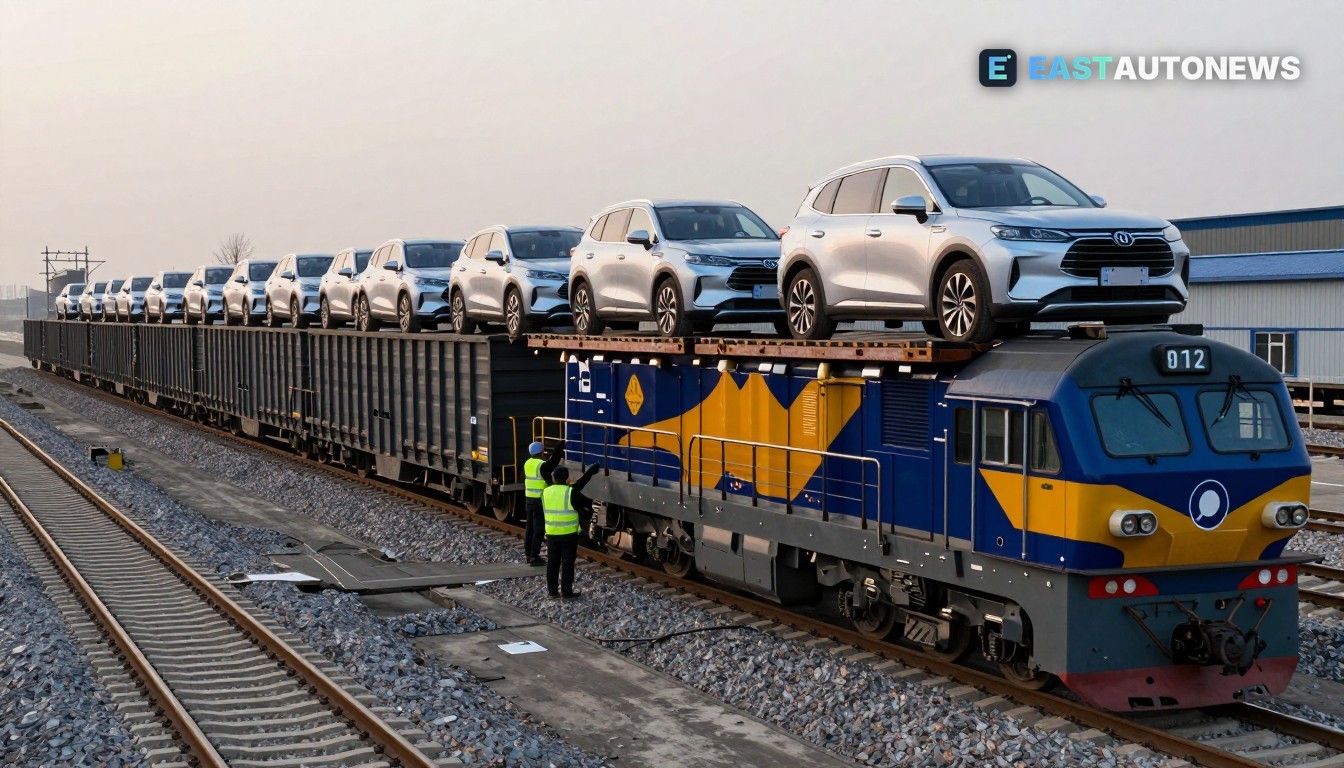
The USTR singled out sectors it sees as affected by excess capacity, naming steel, aluminium, appliances, solar products and electric vehicles (EVs) among the categories under scrutiny. Officials said the duties would be capped in line with existing or negotiated trade deals (for example the 15% ceiling applicable under the EU–US joint statement for many EU goods), and the changes would not stack on separate tariffs already imposed under other laws.
Immediate responses from Brussels and markets
The European Commission said it would “study the findings” and engage with Washington while reiterating that the 2025 EU–US joint statement includes a maximum all‑inclusive ceiling for EU goods; Brussels warned it strongly rejects measures that would breach that understanding. EU spokespeople held a midday briefing the same day to underline ongoing contacts with USTR on exemptions and implementation. Financial markets reacted to the announcement with caution, given the scale and uncertainty of product‑level coverage.
What this means for the market
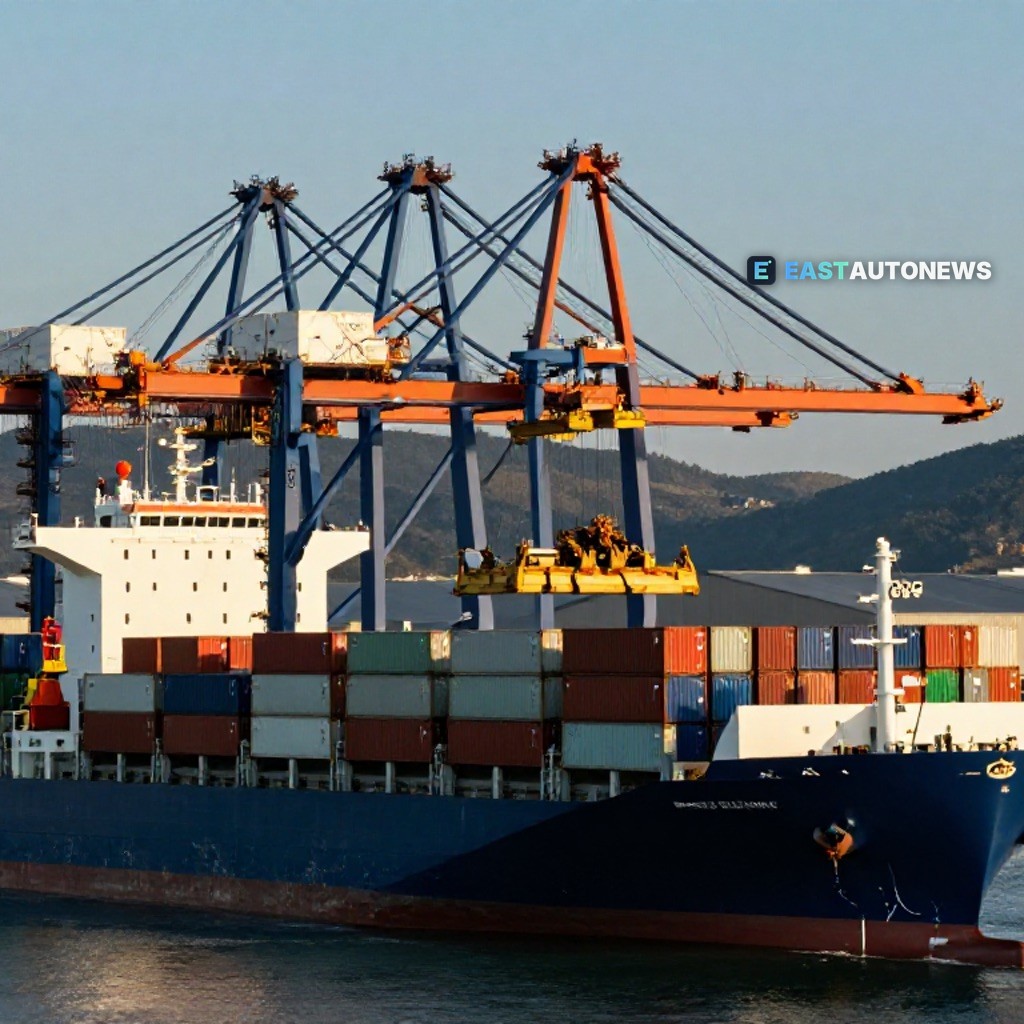
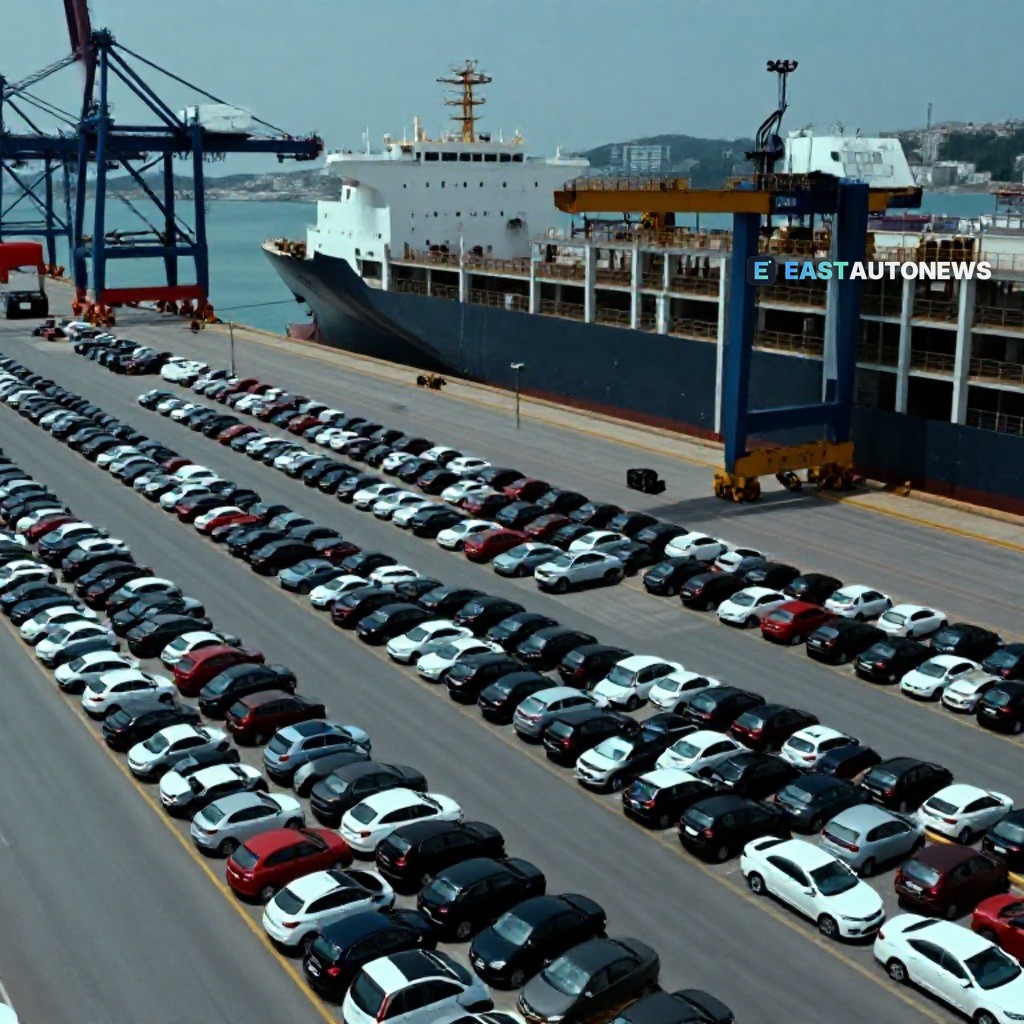
For Central and Eastern Europe the proposal matters for three reasons. First, many CEE factories and suppliers are embedded in EU automakers’ transatlantic supply chains: tariffs on finished goods or components (including batteries and EV parts) would raise landed costs and could distort routing and pricing decisions. Second, logistics flows that currently use deep‑sea Ro‑Ro, feeder and intermodal links between Asia, Adriatic and North‑West European gateways could be reshaped if US demand or sourcing shifts in response to levies. Third, the USTR timetable — a public comment phase and hearings that push possible enforcement into early 2027 — gives companies and transport operators a short window to re‑price contracts and seek exemptions.
Automotive exporters and forwarders in the region should expect immediate volatility in freight procurement and charter markets (PCTC/Ro‑Ro and container services) and renewed pressure on margins where tariffs are effectively passed on to manufacturers. The EU’s political response — including the use of the Joint Statement’s ceilings and potential retaliatory options — will be decisive in limiting longer‑term damage to CEE car manufacturing and trade corridors.
WorldTrader24 electric vehicles listings →
Sources: Reuters, AP