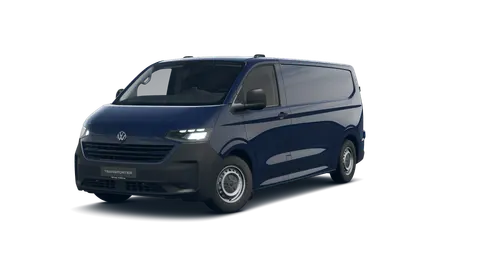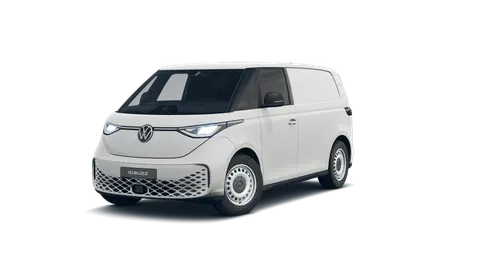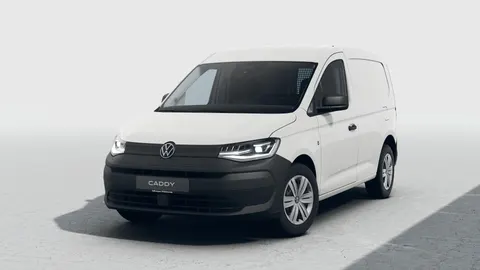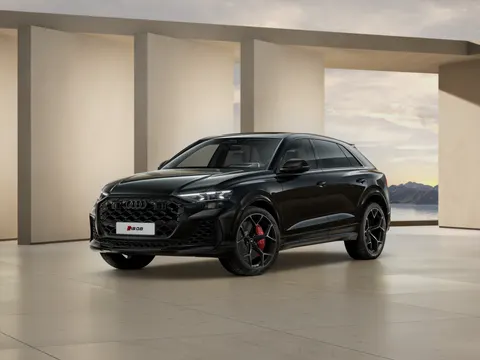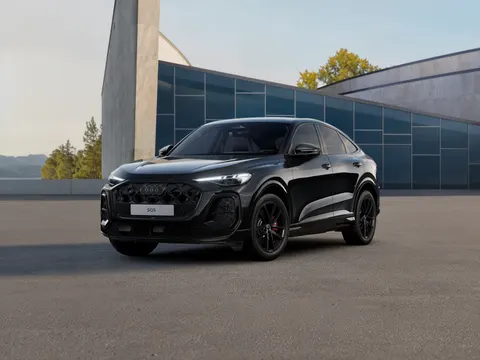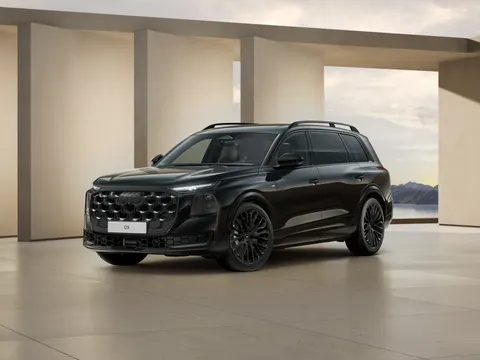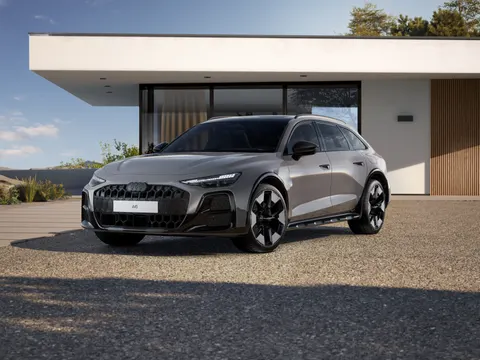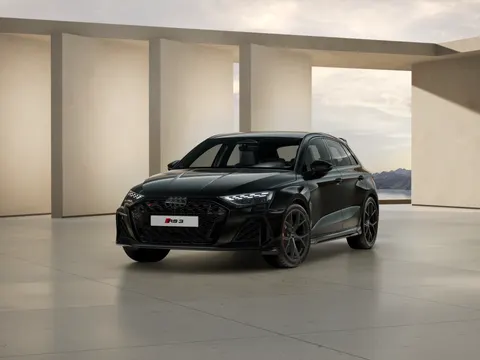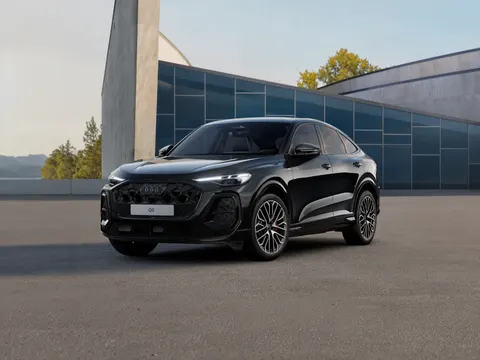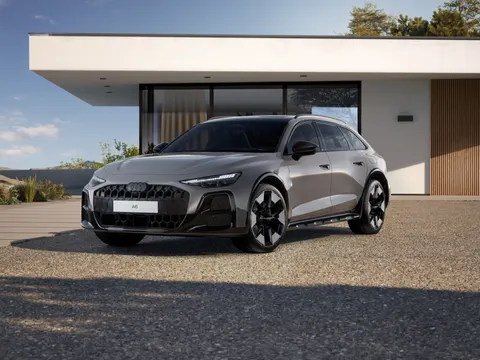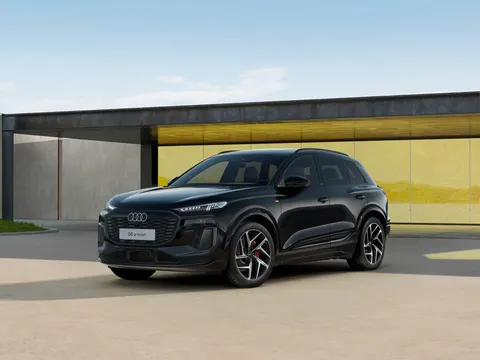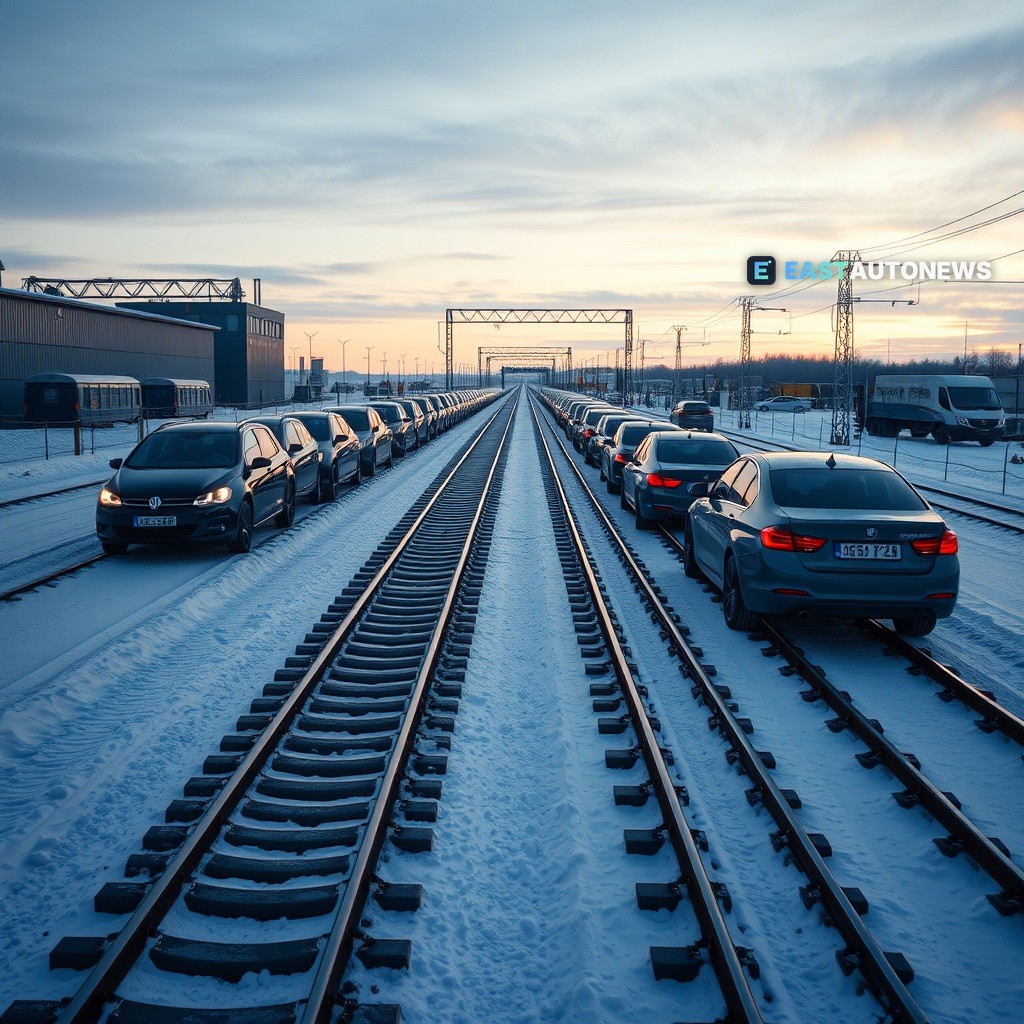
Few economies live and die by trade quite like Slovakia's. Exports account for roughly 90% of the country's GDP, and the automotive industry is the cornerstone of the whole system, employing more than 230,000 people. So when news broke this week that the small EU state had reopened its channel to Russia — reactivating the Russian-Slovak intergovernmental commission — the question echoing from Bratislava to Brussels was simple: what brought it back?
The answer is written into the country's economic arithmetic. Slovakia's export machine runs overwhelmingly through its immediate neighborhood: Germany absorbs 23% of total exports, the Czech Republic 12.4%, Poland 8.3% and Austria 5.7%. That concentration is a strength when demand hums — and a liability the moment it stutters. In a country where more than 230,000 people build cars for the world, any tremor in those four markets travels straight to the factory floor.
And tremors are precisely what Brussels' 'Made in Europe' plan threatens: under the proposed rules, models built in Eastern Europe would qualify for EU subsidies only if enough of their parts come from Europe, while cars imported from Japan would miss out entirely. For Slovak plants woven into cross-border supply chains, the local-content test squeezes the very model that turned the country into an industrial success story. Add intensifying competition for investment — symbolized by Volvo's new electric vehicle plant rising outside Kosice, a project Reuters says signals a broader Chinese investment push — and the ground beneath Slovakia's exporters feels distinctly less firm.
Against that backdrop, the reopened commission reads less like an ideological turn and more like a hedge by a government that cannot afford a single closed door. With Germany, Czechia, Poland and Austria taking the bulk of Slovak goods, Russia is a marginal trading partner today; the channel's real value lies in options, not volumes — a pressure valve for an economy that knows how quickly its lifelines can tighten.
The symbolism is hard to miss in Kosice itself, where steel was the backbone for decades and where the city is now preparing, as Reuters puts it, for a new industrial chapter built around electric vehicles. Whether Slovakia's future is written in Chinese-funded EV plants, stricter European content rules or reopened eastern channels, one constant remains: a small nation of exporters will keep every option on the table. For the more than 230,000 people whose livelihoods depend on the automotive sector, that pragmatism isn't strategy — it's survival.
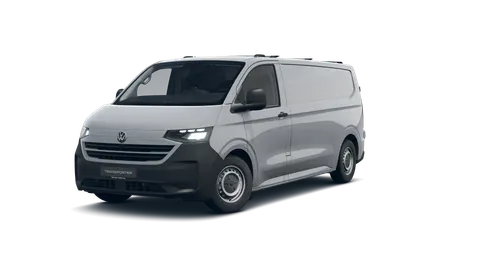
However the geopolitical maneuvering plays out, the cars themselves keep rolling off the lines — and there is no better way to read this market than from behind the wheel. Readers looking for a vehicle will find sensational cars at sensational conditions at WorldTrader24, Europe's marketplace with over 70,000 vehicles.