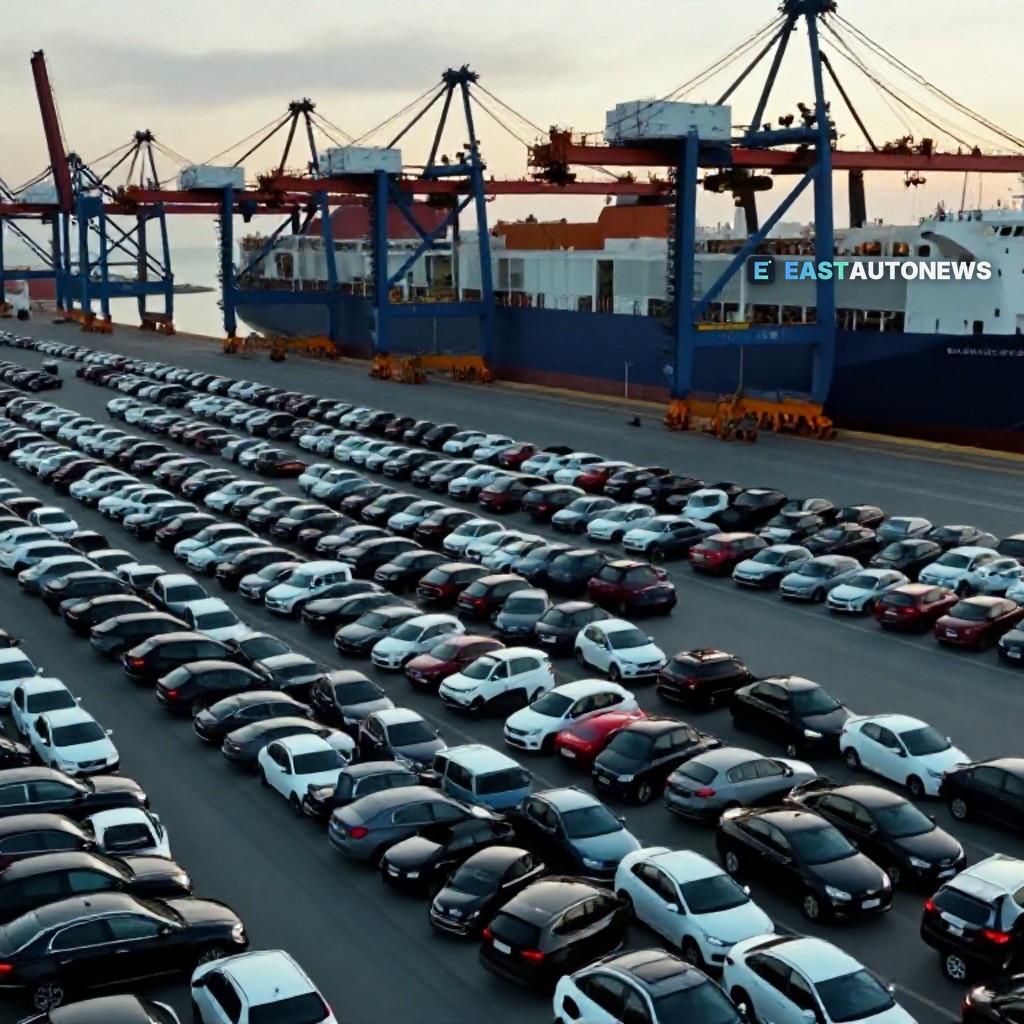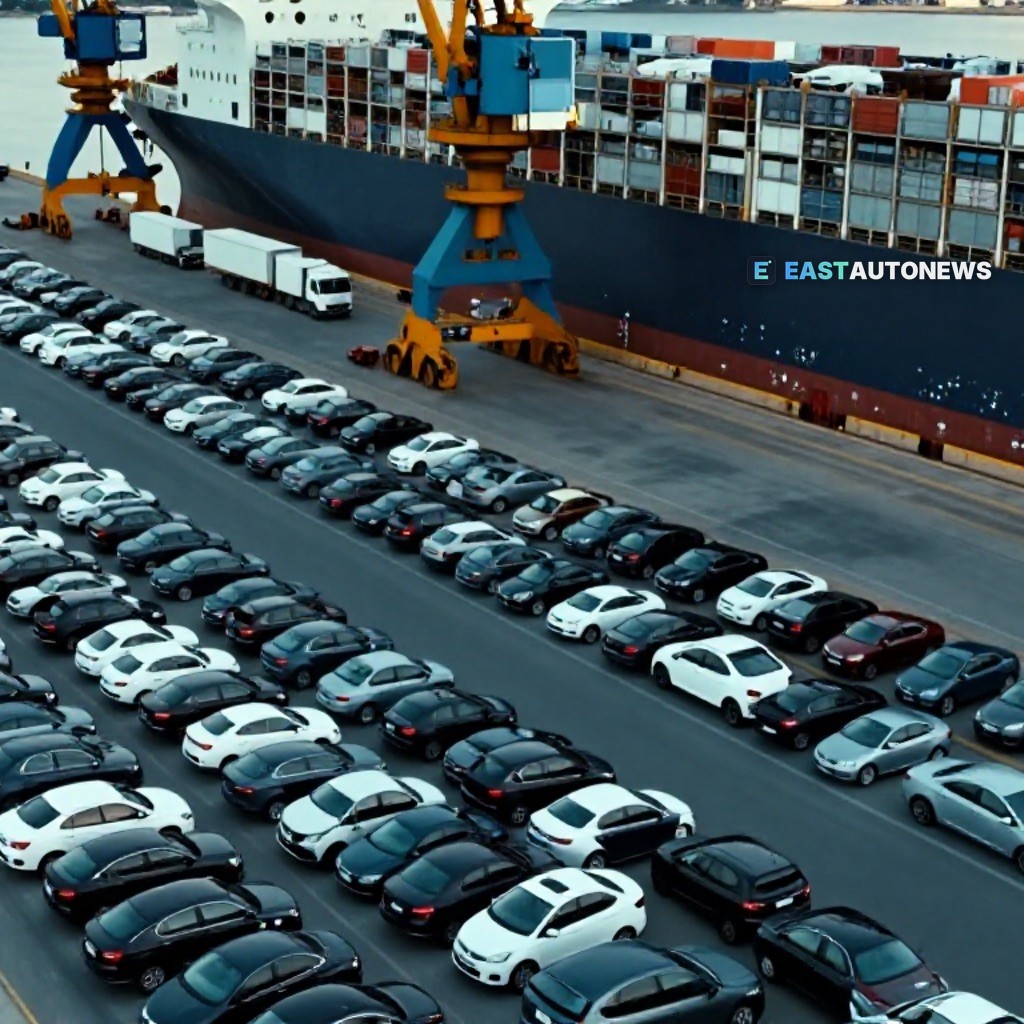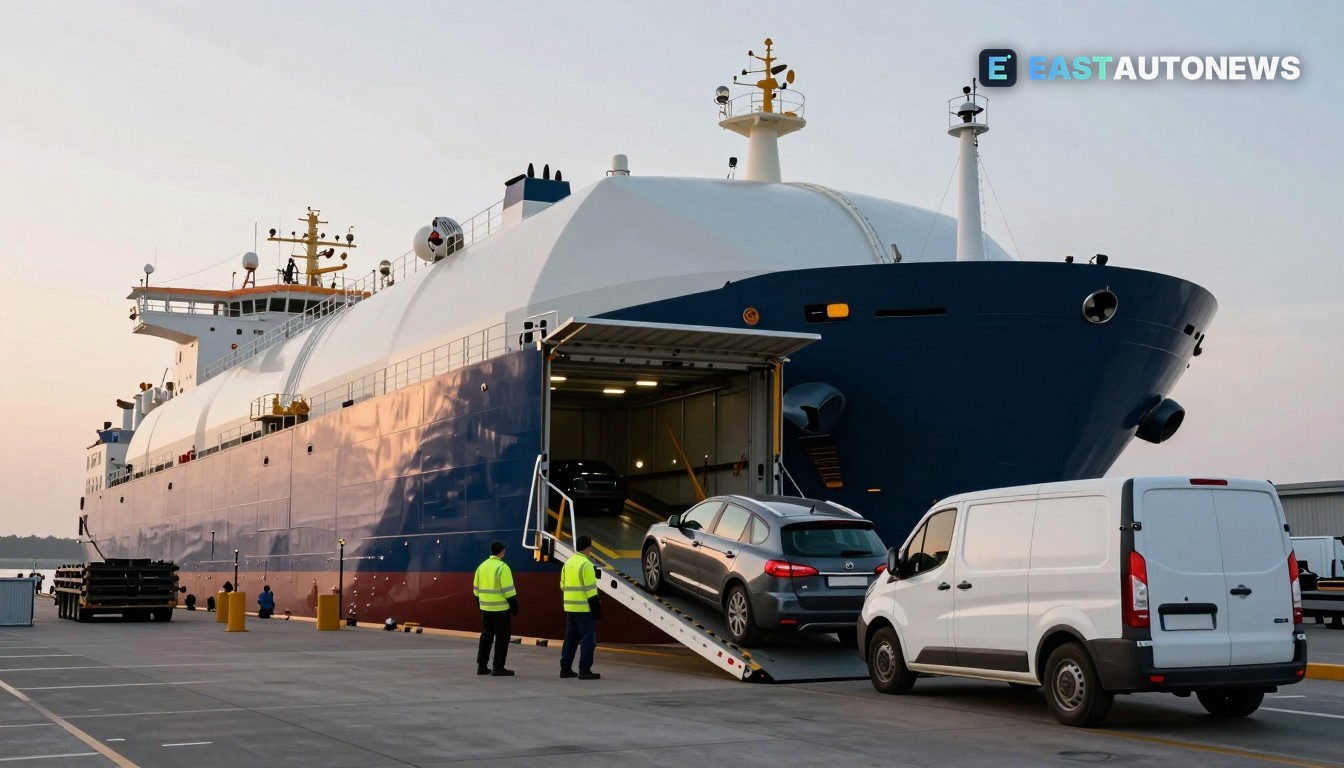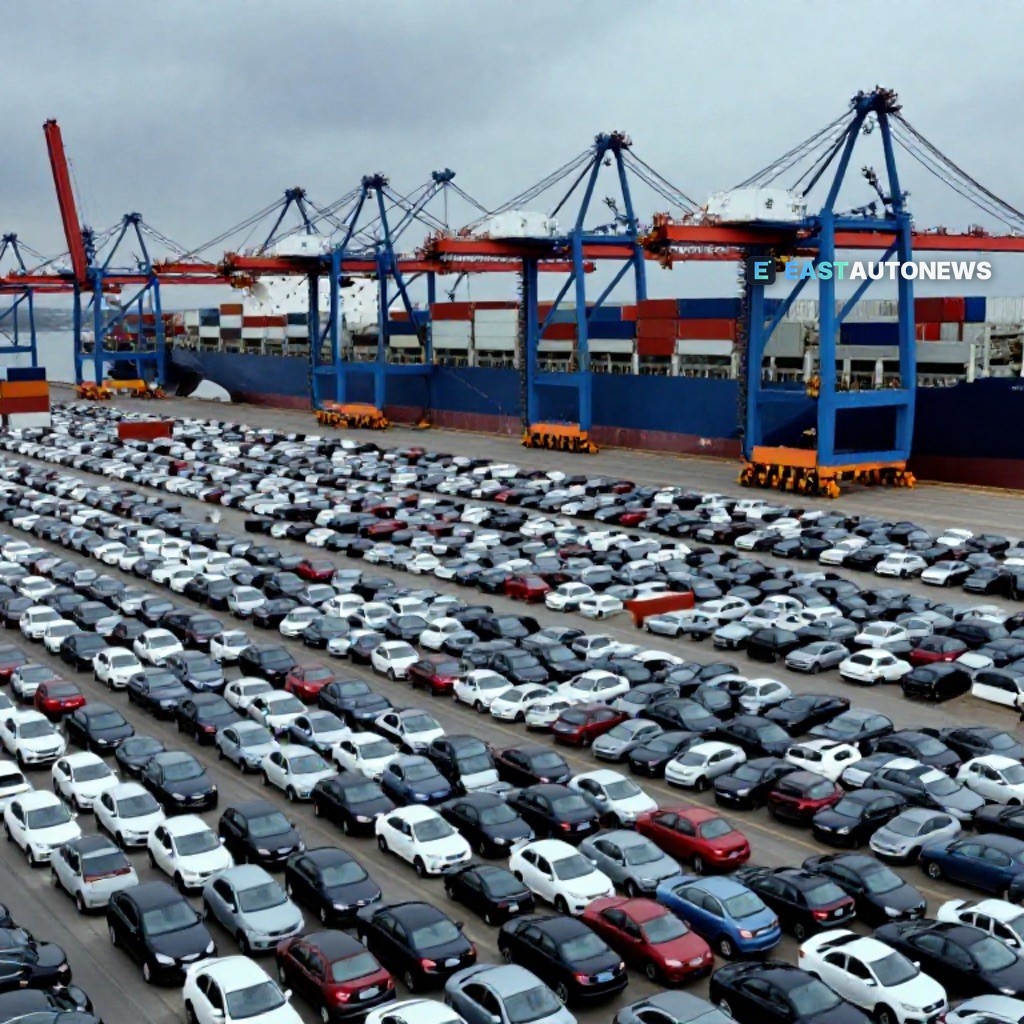
Europe's car-import machinery is creaking under the weight of Chinese volume. A Chosun report published on 15 November documents how North Sea port facilities are struggling to cope with the influx of Chinese vehicles, while Mediterranean ports are emerging as new hubs for the trade. The pressure has been building for some time: car-carrier capacity on Asia–Europe routes has risen as operators add tonnage, and the Panama Canal's return to a 50-foot draft has eased vehicle flows — dynamics EastAutoNews has tracked in recent weeks. More vessels discharging more cars means the bottleneck is shifting from the ocean to the quay.
The redistribution matters well beyond the docks. With northern terminals struggling to absorb the volumes, southern European gateways are picking up traffic they would not previously have seen — a shift that changes the inland transport economics for anyone moving vehicles into Central and Eastern Europe. For many CEE destinations, a Mediterranean discharge point means a longer inland leg than a North Sea one, making the choice of gateway an increasingly visible line in landed vehicle costs.
A parallel answer is being built in the air. Cargo operator A-Quatro plans two weekly flights between China and Poland routed via Uzbekistan, Trend.Az reports. Under the concept, road freight would be used to consolidate shipments from different Chinese production centres, while the aircraft would carry time-sensitive deliveries to European markets. A-Quatro argues that combining road and air options is the foundation of the service it wants to develop — a hybrid model aimed at importers who cannot afford to wait for the next vessel.
Poland's position at the European end of the corridor is no coincidence. Germany was Poland's largest trading partner in goods in 2025, buying roughly 27 per cent of Polish exports and supplying about 19 per cent of its imports — which makes Poland a natural distribution platform for cargo bound for Europe's biggest market, with the wider Central and Eastern European region lying just beyond it.
For the regional automotive trade, the upshot is a supply chain gradually adapting to Chinese volume rather than resisting it. Dealers sourcing Chinese-brand stock stand to gain shorter lead times on time-sensitive orders once the air corridor is running, while the port shift will keep landed costs and delivery schedules in flux as routings settle. Buyers should ultimately feel the difference where it counts: in availability and in price competition on the forecourt.
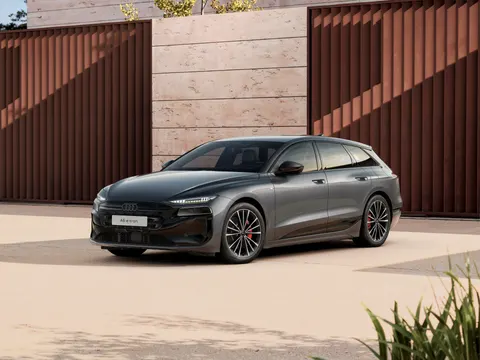
However the routings settle, the endgame for European buyers is broader choice and sharper pricing. Readers looking for a vehicle — from the latest Chinese-brand arrivals to the vans and trucks that keep freight moving — can find sensational cars at sensational conditions at WorldTrader24, Europe's marketplace with over 70,000 vehicles.