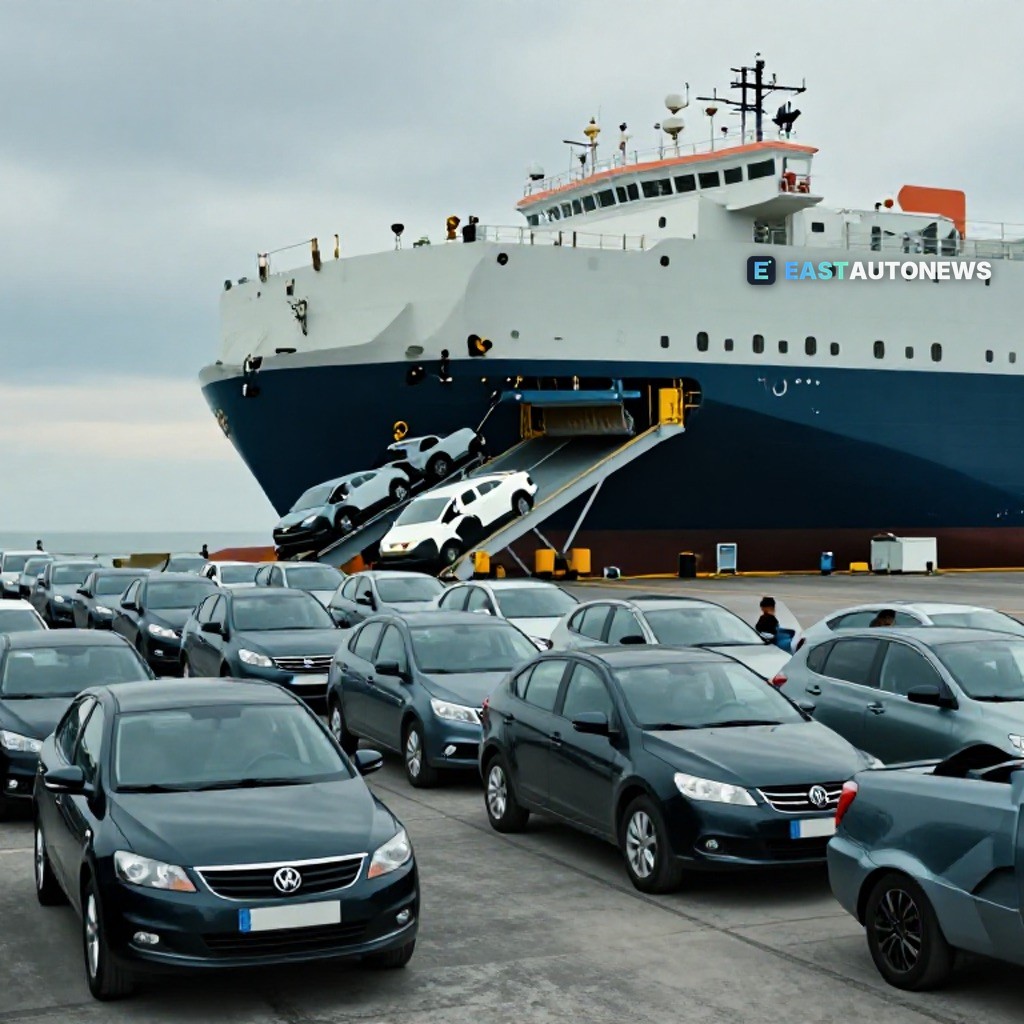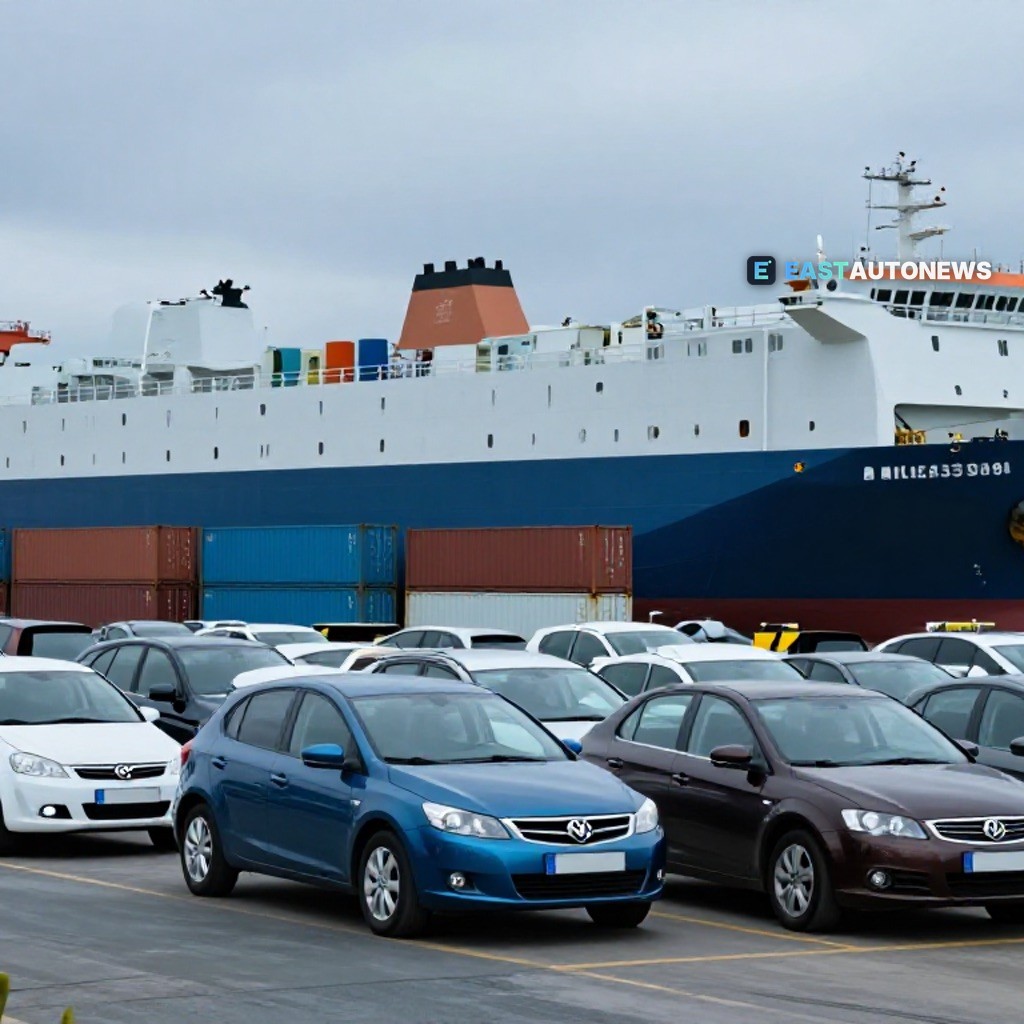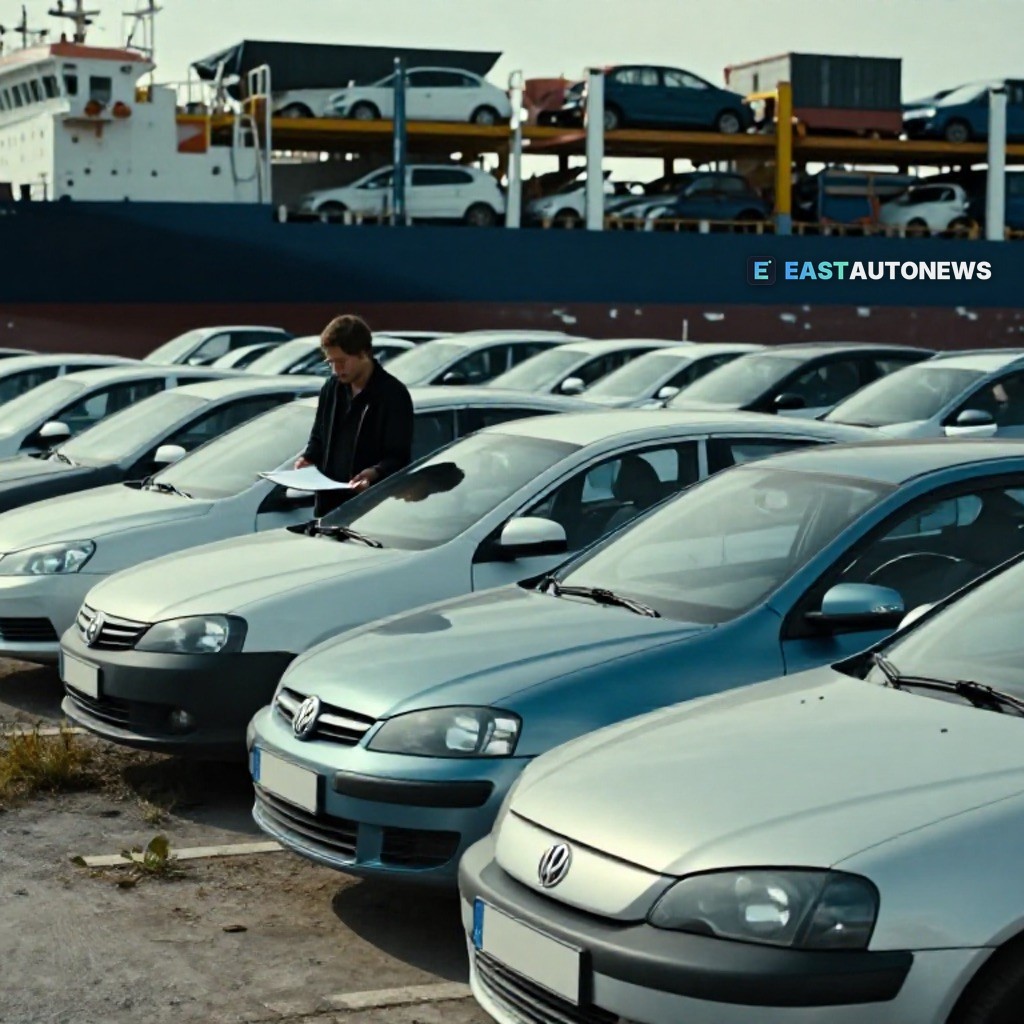
Shipowners and tonnage providers have accelerated car‑carrier investment this month, but an emerging profitability crunch means the benefits for vehicle exporters and CEE ports may be smaller and slower than expected.
Orders, deliveries and the numbers
Market reporting shows a flurry of recent activity in the PCTC sector. Singapore Shipping placed two 7,000‑CEU LNG dual‑fuel PCTC contracts on 21 November, a deal the Journal of Commerce put at about $210 million. Journal of Commerce noted the move as part of a wider pattern of owners returning to the newbuilding market after a period of caution.
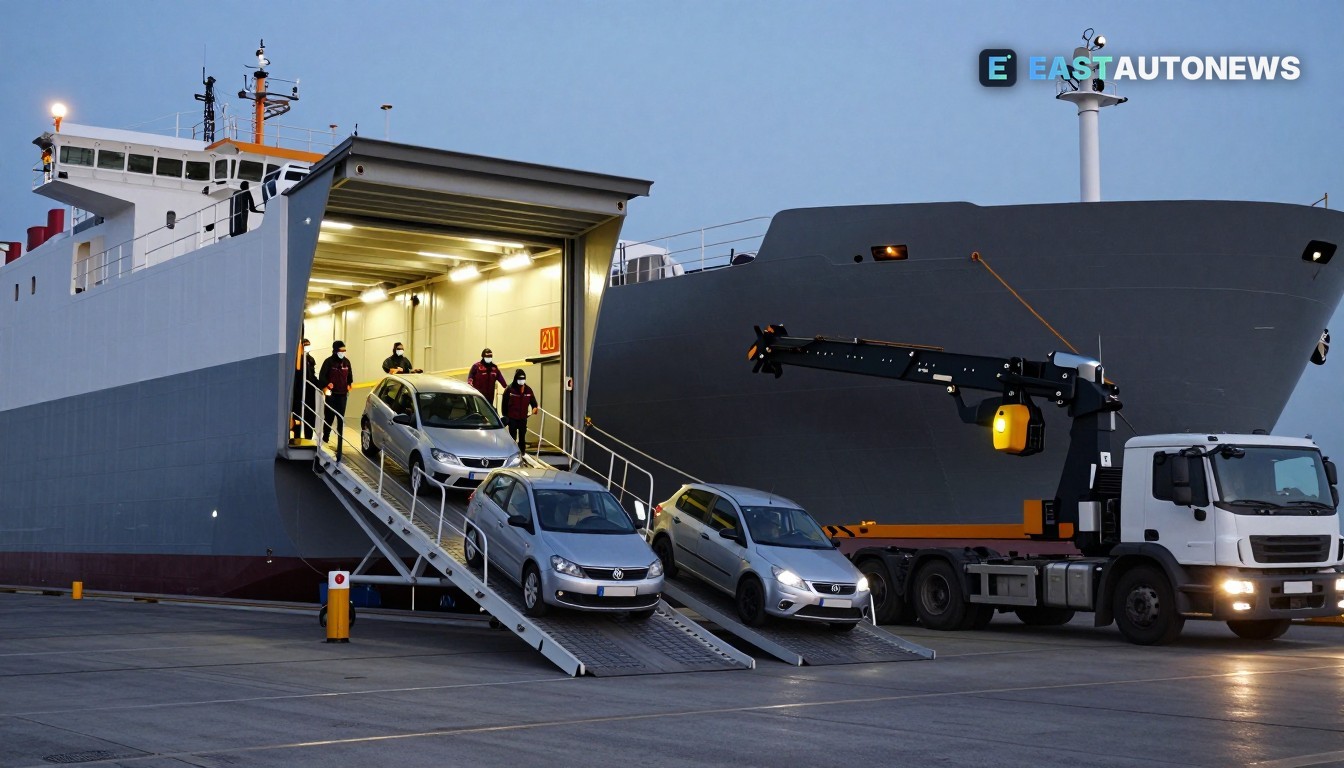
At the same time, yard deliveries and dual‑fuel designs are appearing in the fleet pipeline. Industry roundups recorded multiple dual‑fuel PCTC deliveries and new orders during the last two weeks, underlining yards’ strong share of the car‑carrier orderbook. Automotive and shipping trade coverage on 25 November highlighted Chinese yards’ recent work on LNG‑capable PCTCs.
Why profits matter for CEE car trade
That investment should, in theory, relieve the acute spot shortages and high ro‑ro rates that have sometimes disrupted Asia–Europe vehicle sailings. But analysts warn the market faces a profitability crunch: high newbuild prices and financing for LNG‑capable ships are colliding with softer charter and second‑hand values, squeezing margins for owners and time‑charterers. Journal of Commerce reported this concern on 23 November, saying the growth outlook for car‑carrier operators is “undermined by a profitability crunch”.
The commercial outcome matters for CEE because ports and inland distribution hubs depend on predictable ship schedules and competitive slot pricing. If owners delay deployments, withdraw services to protect margins, or push more capacity into long‑haul Asia–North Europe trunk routes, feeder and short‑sea links that serve CEE transhipment points could see fewer calls and higher prices. Automotive Logistics and specialist maritime analysts note that fleet decisions taken now will shape service patterns through 2027 and beyond.
What this means for the market
Short term (weeks): Expect continued pricing volatility on Asia–Europe ro‑ro legs. Newbuild deliveries will ease acute carrier shortages at peak times, but owners facing weak charter returns may prioritise contracted liner services and premium trunk trades, leaving smaller feeder routes to feel the pinch. Journal of Commerce’s 23 November analysis flagged that near‑term scheduling and rate effects will be limited until vessels are delivered.
Medium term (months): CEE distributors and OEMs should renegotiate freight tenders with contingency clauses, and forwarders will likely offer blended solutions that combine long‑haul PCTC slots with dedicated feeder or rail options. Ports that can guarantee fast turn times and competitive handling costs will be better placed to attract carriers if owners cut discretionary calls. Industry trackers note the large orderbook of LNG‑dual fuel PCTCs increases delivered capacity over the next five years but also raises capital costs for operators.
Longer term: the market may rebalance if charter rates recover, but a period of consolidation or slower service growth is possible — a scenario that would keep landed logistics costs higher for CEE vehicle exporters and importers through 2027.
WorldTrader24 B2B vehicle marketplace for dealers and wholesalers →
Sources: Journal of Commerce, BairdMaritime, World Ports Organization, Automotive Logistics