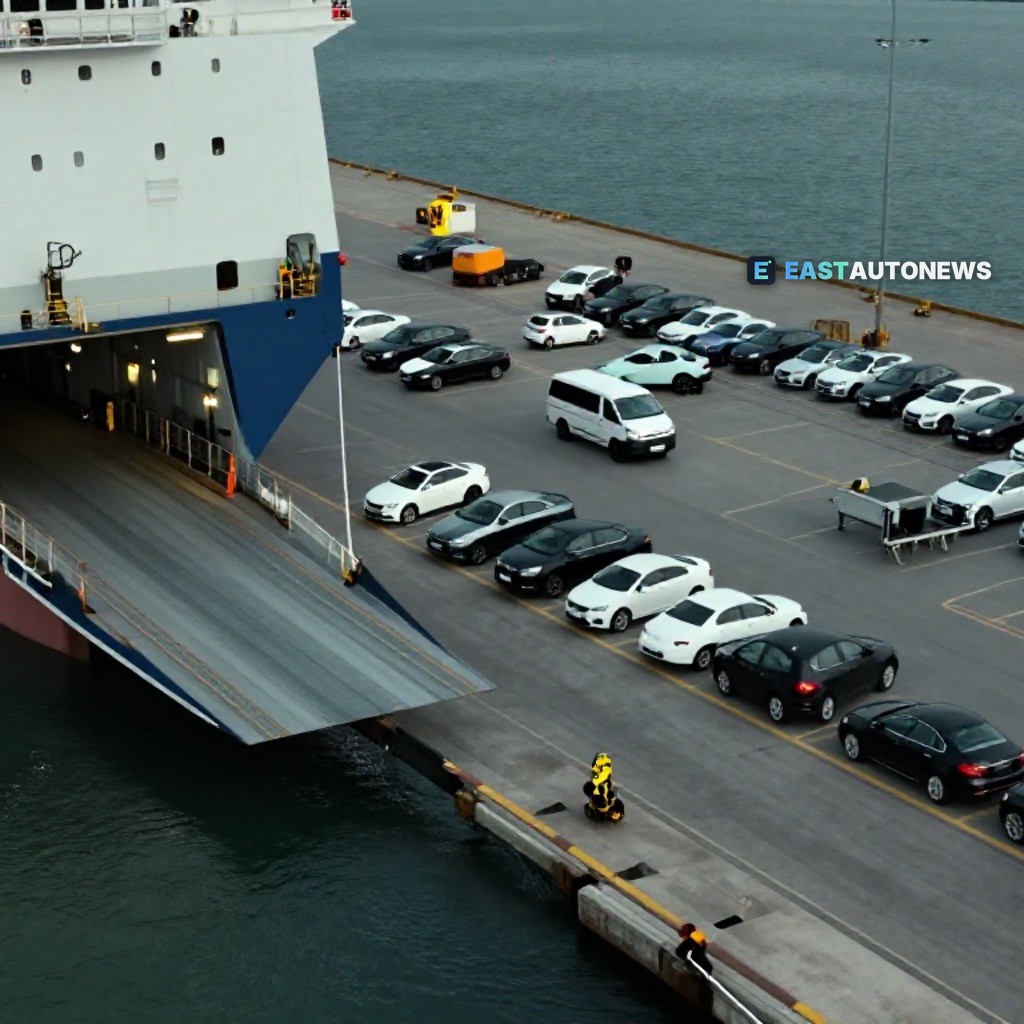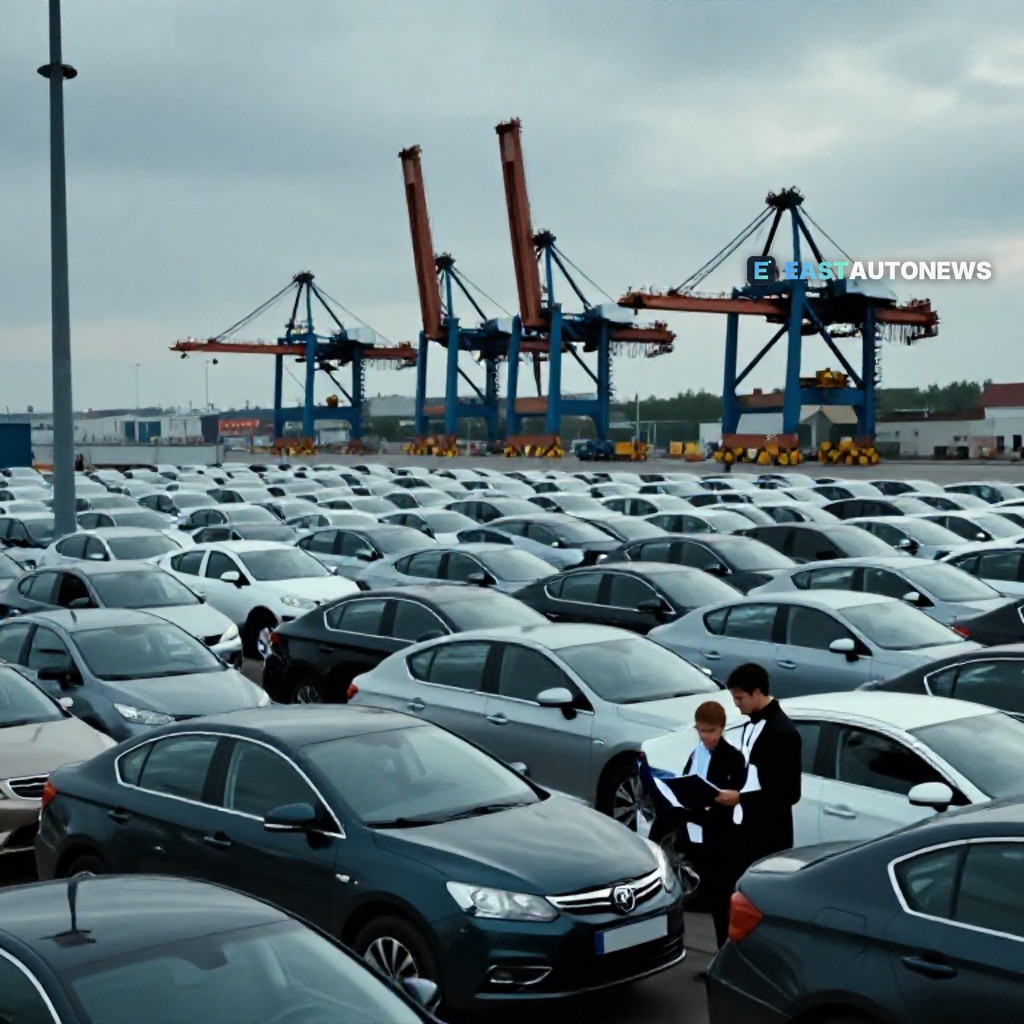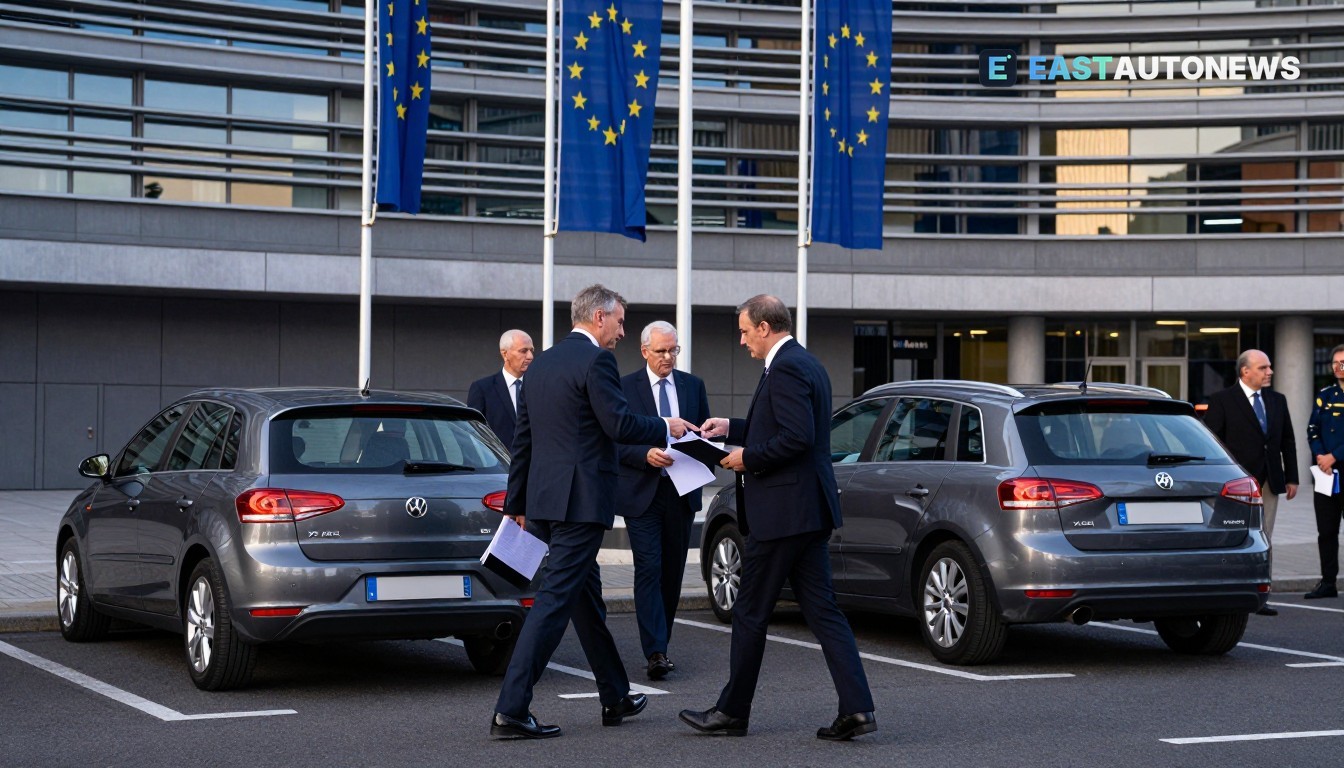
The Japanese government has signalled it will press the European Union to revise a draft of the Industrial Accelerator Act (IAA) after an Ireland‑led compromise proposal appeared to exclude vehicles assembled in Japan from preferential access to EU purchase subsidies and public procurement. Japan’s trade ministry said it would push the EU “at every level” over the issue on 24 November 2026.
What the draft says
Reporting by Nikkei Asia shows the IAA compromise put to member states on 23 November 2026 ties eligibility for the EU’s new preferential treatment to a high “European‑origin” content threshold (reported as around 70% in draft coverage), and limits the preferred category to vehicles assembled in the EU, the European Economic Area, Switzerland and the United Kingdom. Vehicles assembled outside Europe – including in Japan – would therefore be excluded under that draft unless they meet strict local‑content tests.
Japan’s trade minister (reported coverage names Minister Ryōsei Akazawa) warned the draft would put Japanese manufacturers at a disadvantage and said the ministry would press Brussels to treat Japanese‑made products as equivalent to European ones; Prime Minister Sanae Takaichi and other senior officials had already raised concerns with EU leaders in recent weeks, according to reporting.
What this means for the market
Analysts and reporting note the IAA’s geographic and content tests matter because battery, plug‑in hybrid and fuel‑cell models together accounted for a meaningful share of new EU registrations in 2025 (Nikkei reports those three powertrains made up about 27% of new registrations in 2025). If enacted in the current draft form, the rule would sharply raise the industrial‑policy premium for vehicles and parts sourced from inside Europe while reducing the value of imports assembled outside the bloc. Those numbers and the draft timeline are set out in recent coverage.
For Central and Eastern Europe the provision is consequential because the IAA is explicitly designed to steer public procurement and subsidy flows toward plants and supplier networks within the designated “European” area. The draft presented by the Irish presidency on 23 November 2026 is due to be negotiated further in the Council and European Parliament, with committee votes scheduled in early December 2026, according to reporting.
Industry sources quoted in coverage say the compromise text does allow some leeway for models assembled in Europe using imported components, but the reported 70% threshold would still make local sourcing a binding constraint for many models and suppliers. That detail underpins Tokyo’s push to seek changes before the Parliament and Council finalise the act.
Negotiations remain live and the precise legal text could change during the trilogue process between the Commission, the Council and the Parliament. For now, the Japanese government’s public intervention on 24 November 2026 makes it a cross‑border diplomatic issue as well as an industrial one.
Sources: Nikkei Asia, AutoSignal