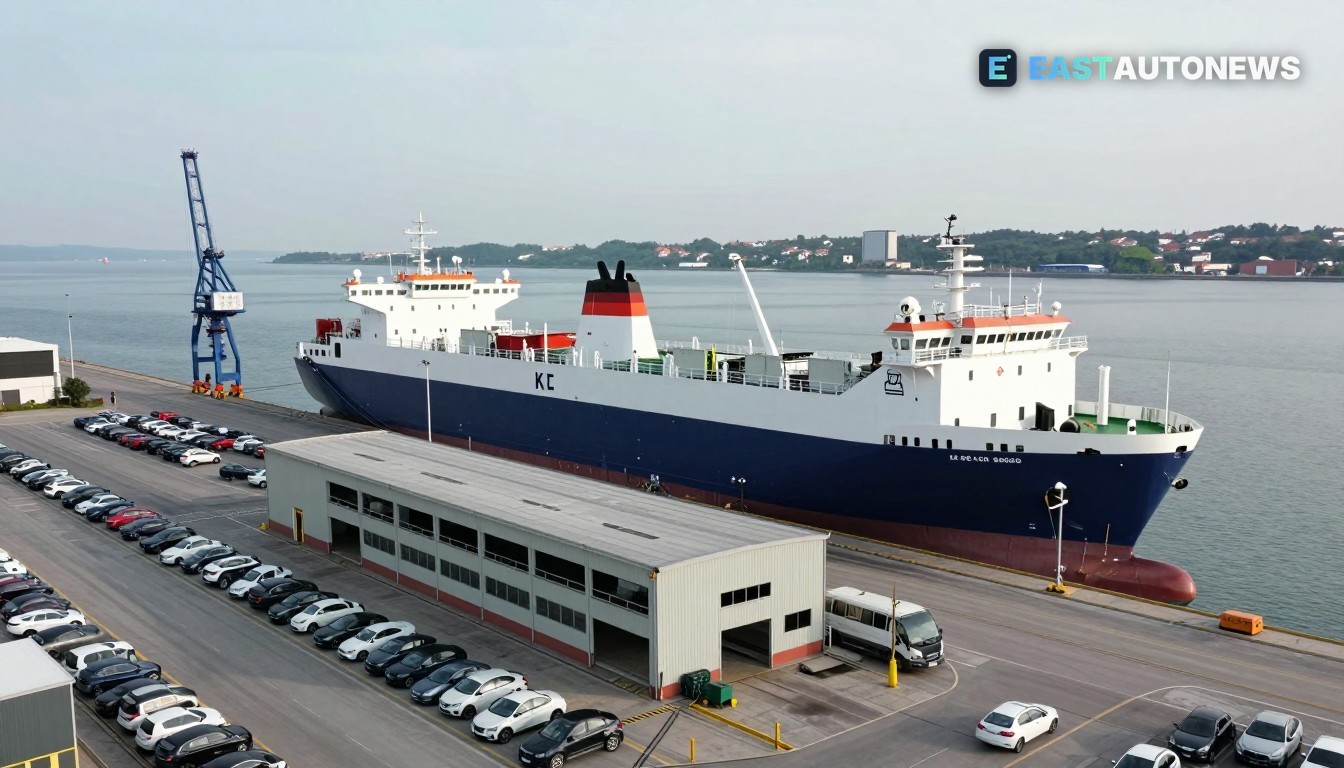
Slovenia’s Port of Koper is stepping up commercial outreach to Central and Eastern Europe as rising vehicle flows reshape maritime logistics. Luka Koper organised industry events in Bratislava and Budapest on 10–11 November that drew more than 350 logistics and transport professionals, using the meetings to promote the port’s investment programme and improved links to inland markets.
Port investment and vehicle volumes
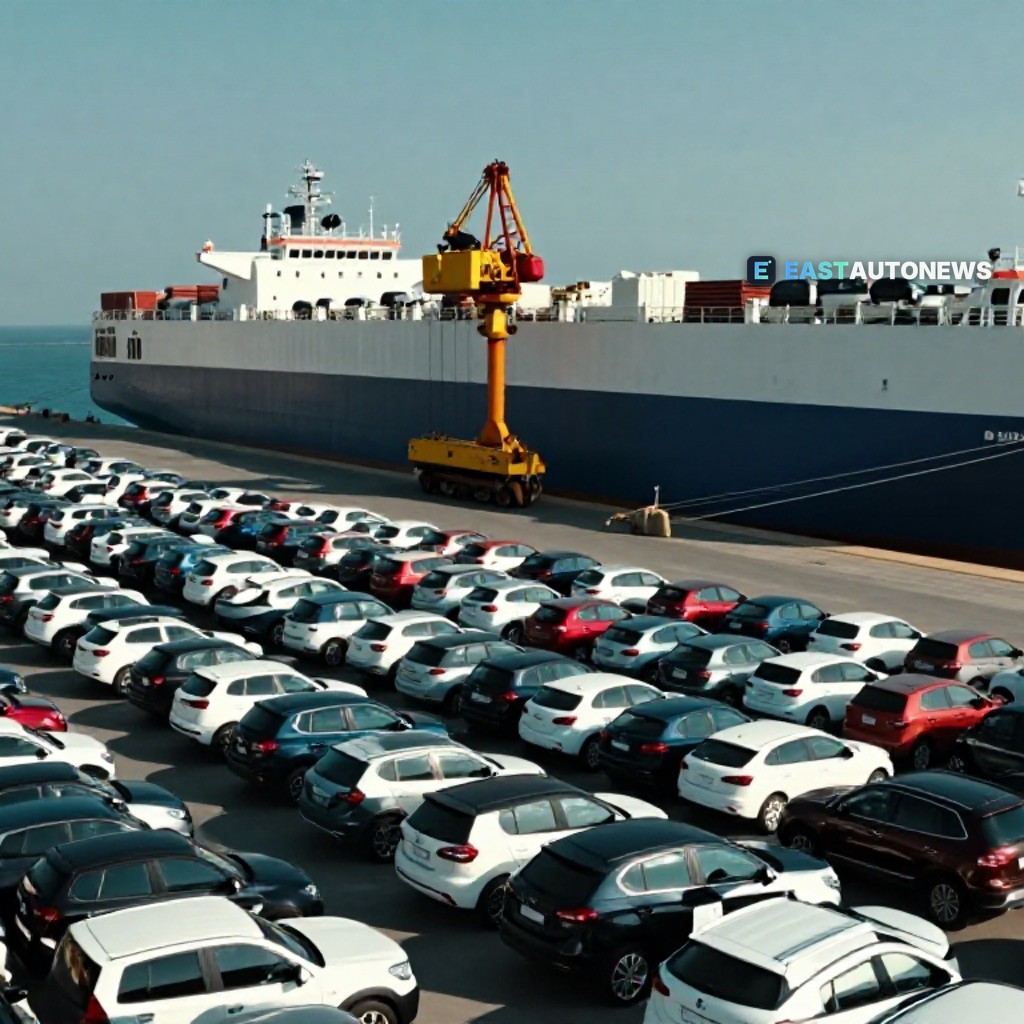
The company says vehicle throughput is already a major growth driver: Luka Koper handled 639,829 cars in the first nine months of the year, a 7% increase versus the same period in 2025, and the group plans a new multi‑storey garage with space for 11,700 vehicles as part of a wider investment cycle. The port reported net sales revenue of €282.9 million for the first nine months and said investments of €81.9 million were made in property, plant and equipment during that period.
At the Bratislava and Budapest meetings Luka Koper emphasised projects to boost capacity and hinterland connectivity — including quay and rail works — and framed the Adriatic route as an alternative corridor for Central European importers and exporters. The events were attended by Luka Koper officials and diplomatic representatives, underlining the strategic importance the operator places on direct engagement with freight forwarders and national stakeholders.
What this means for the market
For carmakers, suppliers and vehicle distributors in CEE, Koper’s push matters on three counts. First, stronger commercial ties and targeted investment can shorten and diversify supply chains for finished vehicles and large components, reducing reliance on northern European gateways. Second, increasing vehicle handling capacity — and the planned 11,700‑space garage — offers space relief as Mediterranean ro‑ro and container services shift to southern ports. Third, Luka Koper’s campaign signals growing competition among Adriatic ports to capture the surge in Chinese and Mediterranean vehicle imports that has been rerouting European automotive logistics this year.
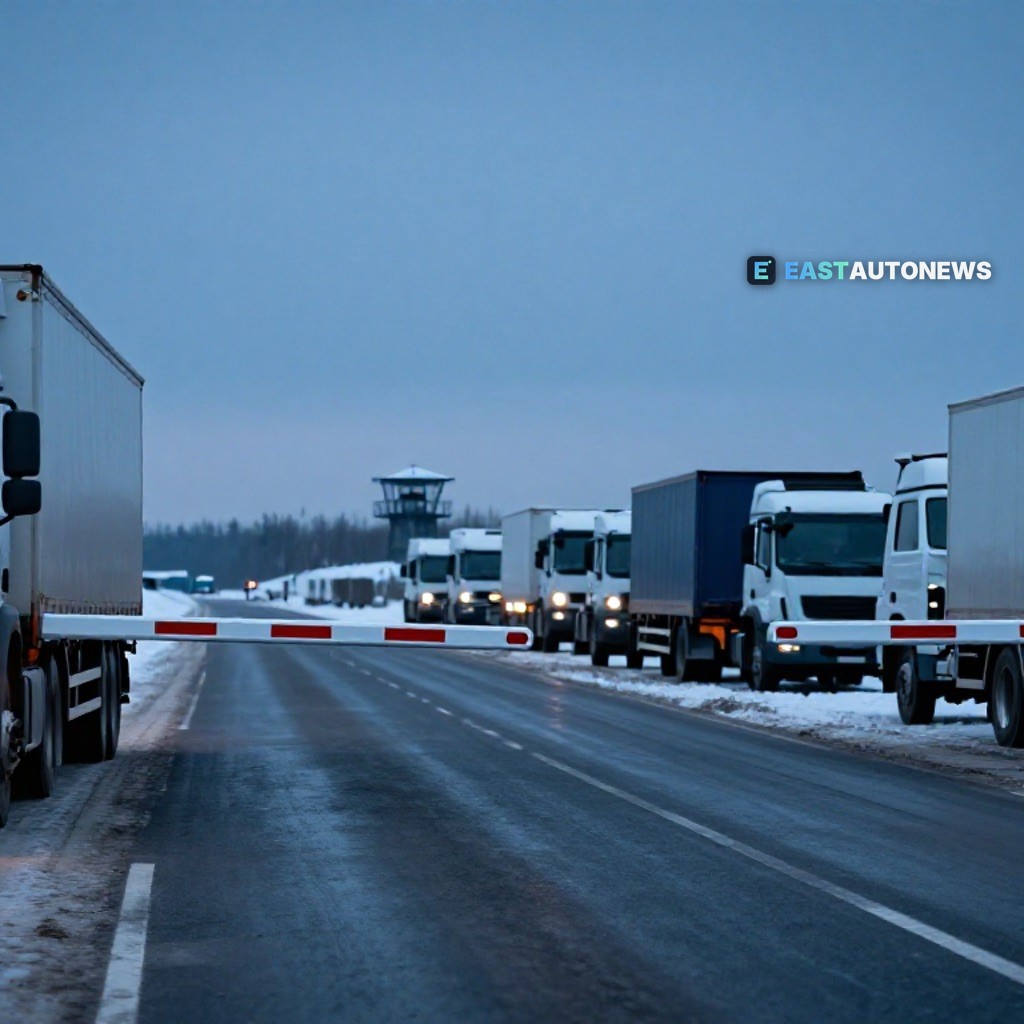
Company statements highlight a constraint worth noting: Luka Koper warns that rail capacity to the hinterland remains a bottleneck and that additional container quay capacity will only be available after the northern extension of Pier I is completed (scheduled for the end of 2027), meaning some modal shifts will depend on rail upgrades. “Until the completion of the northern extension of Pier I at the end of 2027, no additional capacity for increasing container throughput will be available,” the company said.
For logistics planners in Central and Eastern Europe the takeaway is practical: expect more commercial offers from Adriatic ports, but plan for mixed modal constraints — more berth and garage space won’t automatically translate into faster inland delivery without rail and road upgrades.
WorldTrader24 B2B vehicle marketplace for dealers →
Sources: The Logistic News, Luka Koper