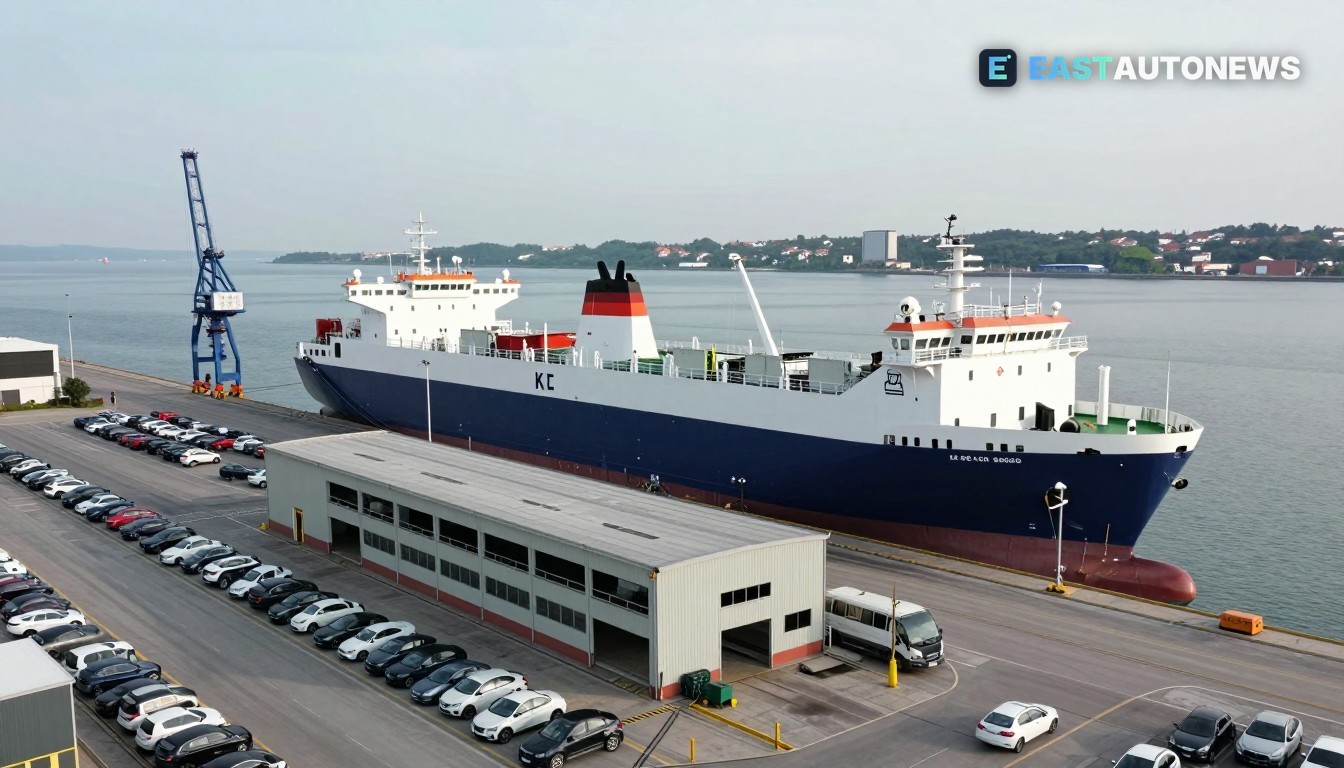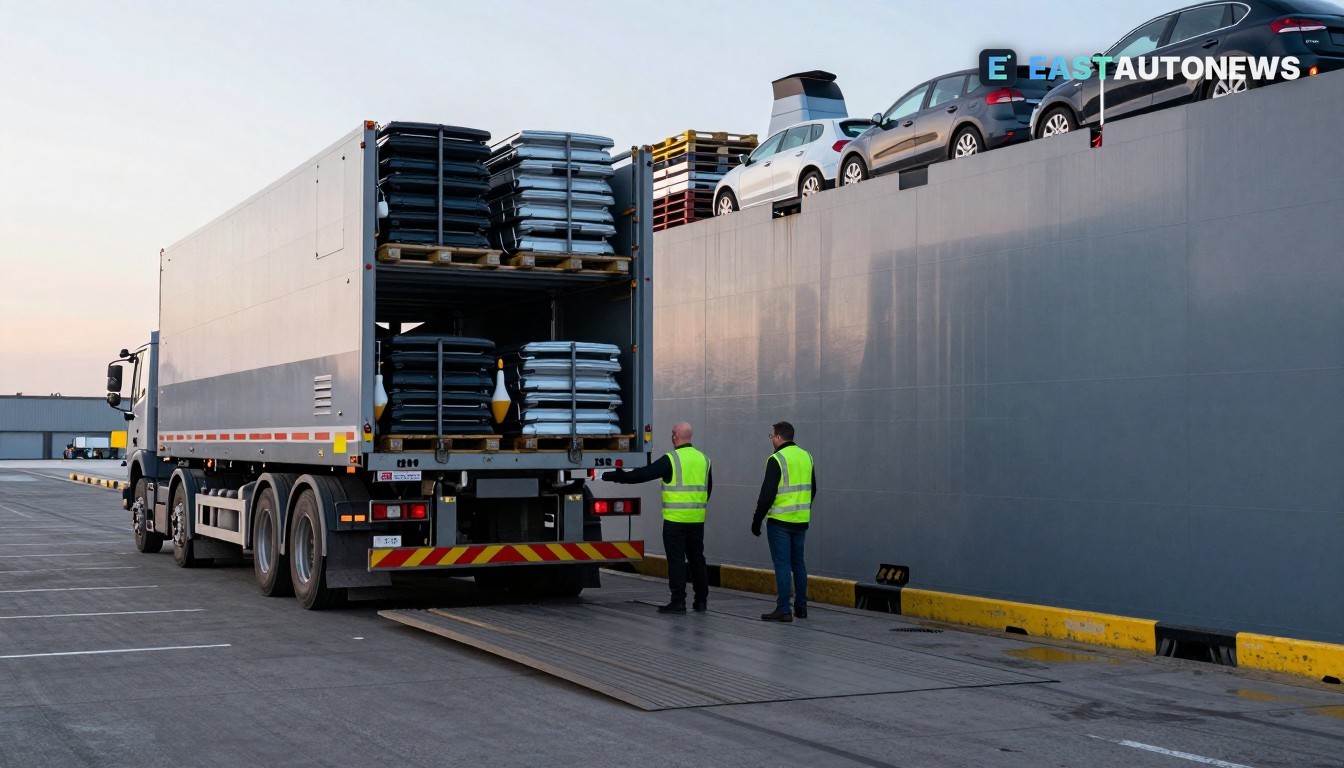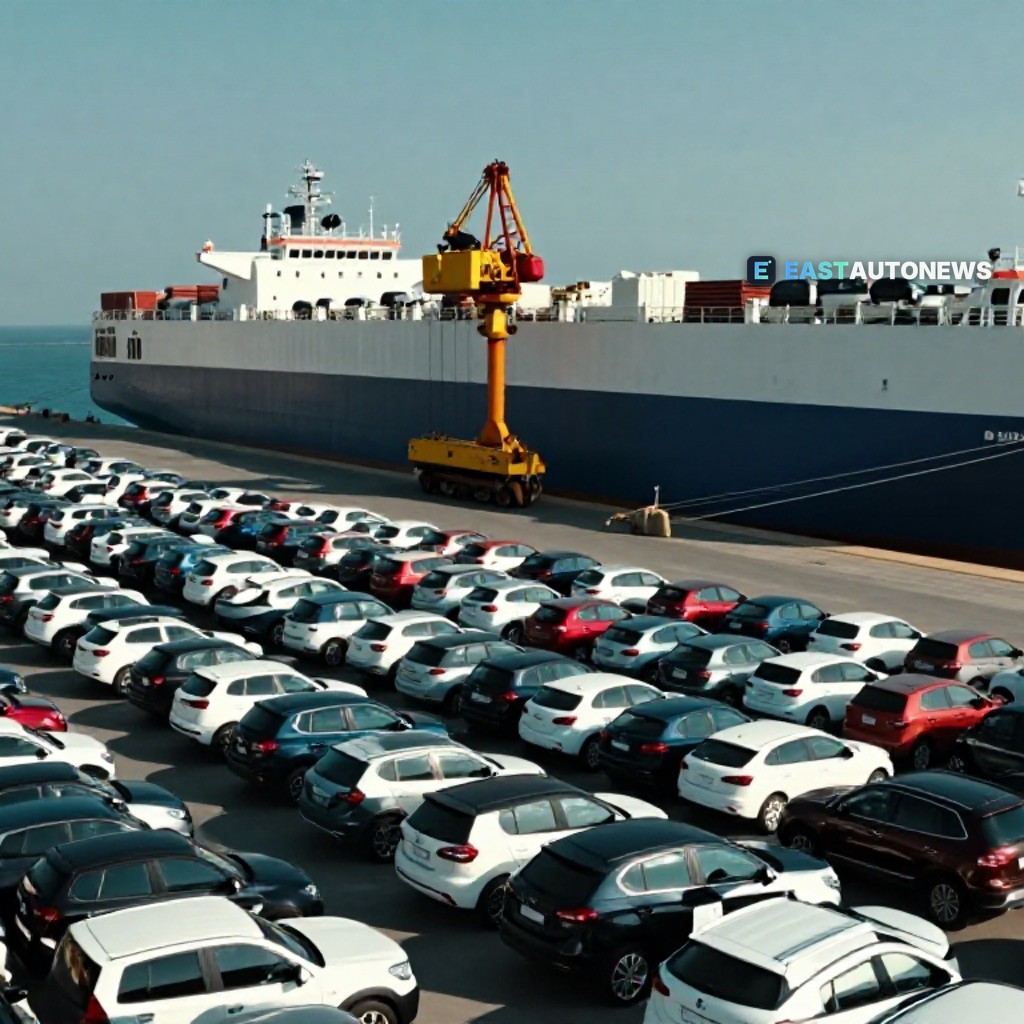
Europe's vehicle logistics map is being redrawn as Chinese-built cars continue to arrive on the continent in growing numbers. Handling capacity that was long concentrated on the North Sea coast — above all in Belgium — is spreading to the Mediterranean, with ports in Spain and Italy accelerating facility expansion to capture the inflows. For a trade that has leaned for decades on a handful of northern gateways, the southward push looks structural rather than seasonal.
The flows are being shaped at both ends of the route. Chinese automakers regard their manufacturing investments in Hungary as a possible template for other Western markets — Canada among them, according to Canadian press reports — while in China, finished vehicles are being staged for export to Europe at ports such as Suzhou this month. Every additional sailing feeds directly into demand for European terminal capacity.
For Central and Eastern Europe, the new southern gateways carry particular weight because much of the region sits far from open sea. Slovakia, for instance, has no seaport of its own: vehicles shipped from China typically arrive at a European port such as Koper in Slovenia and continue onward by road or rail. Additional Mediterranean capacity therefore translates into more dependable inland delivery for CEE importers and their dealer networks.
The wider system remains under strain even as the container peak season eases. Congestion is currently tying up roughly 10% of the container fleet, and while overall capacity should become more flexible, carriers caution that trade- and season-specific demand will remain subject to limitations as they balance volatility across their networks.
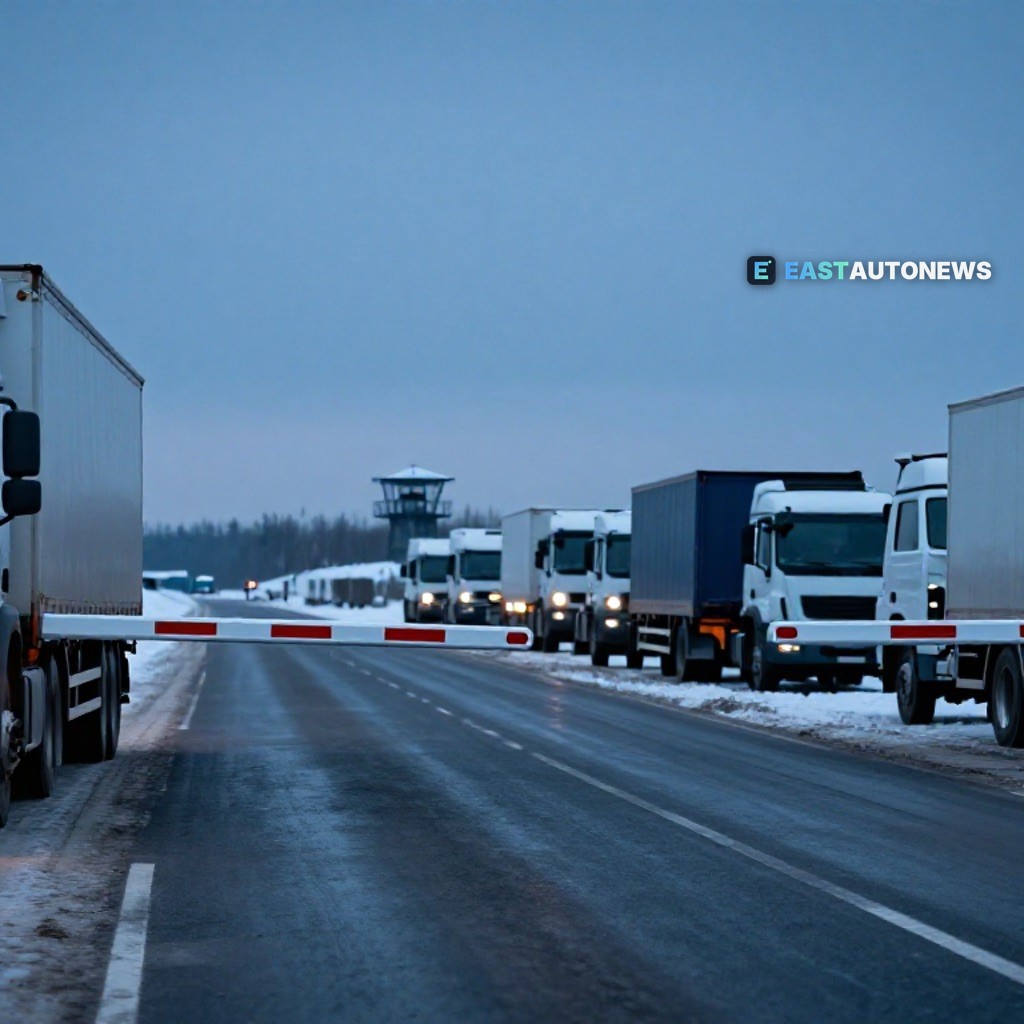
The industry's answer, observers say, is a quiet change of priorities: reliability now outranks raw speed. Investment is moving toward corridors that can guarantee predictable, dependable delivery, with border crossings, ports and rail-gauge interchange points all flagged as needing upgrades — including efforts to establish the first alternative logistics corridors between the EU and Central Asia.
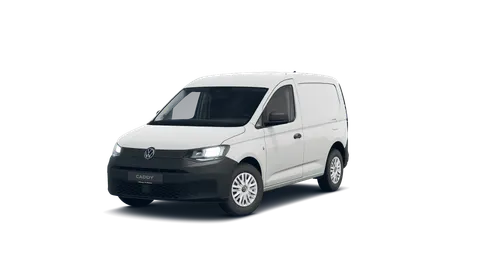
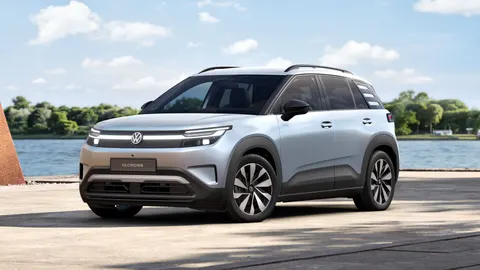
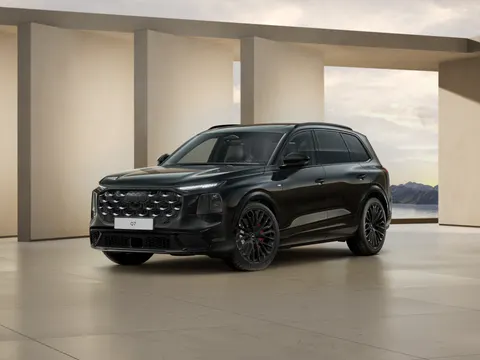
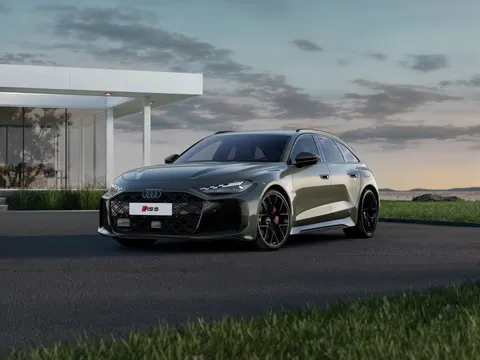
For dealers and buyers across the region, a more diversified port network ultimately promises broader model choice and steadier landed costs on the forecourt. Anyone currently shopping for a vehicle — from freshly landed Chinese-brand models to established European nameplates, or commercial vehicles for freight-focused operators — can compare sensational cars at sensational conditions on WorldTrader24, Europe's marketplace with over 70,000 vehicles.