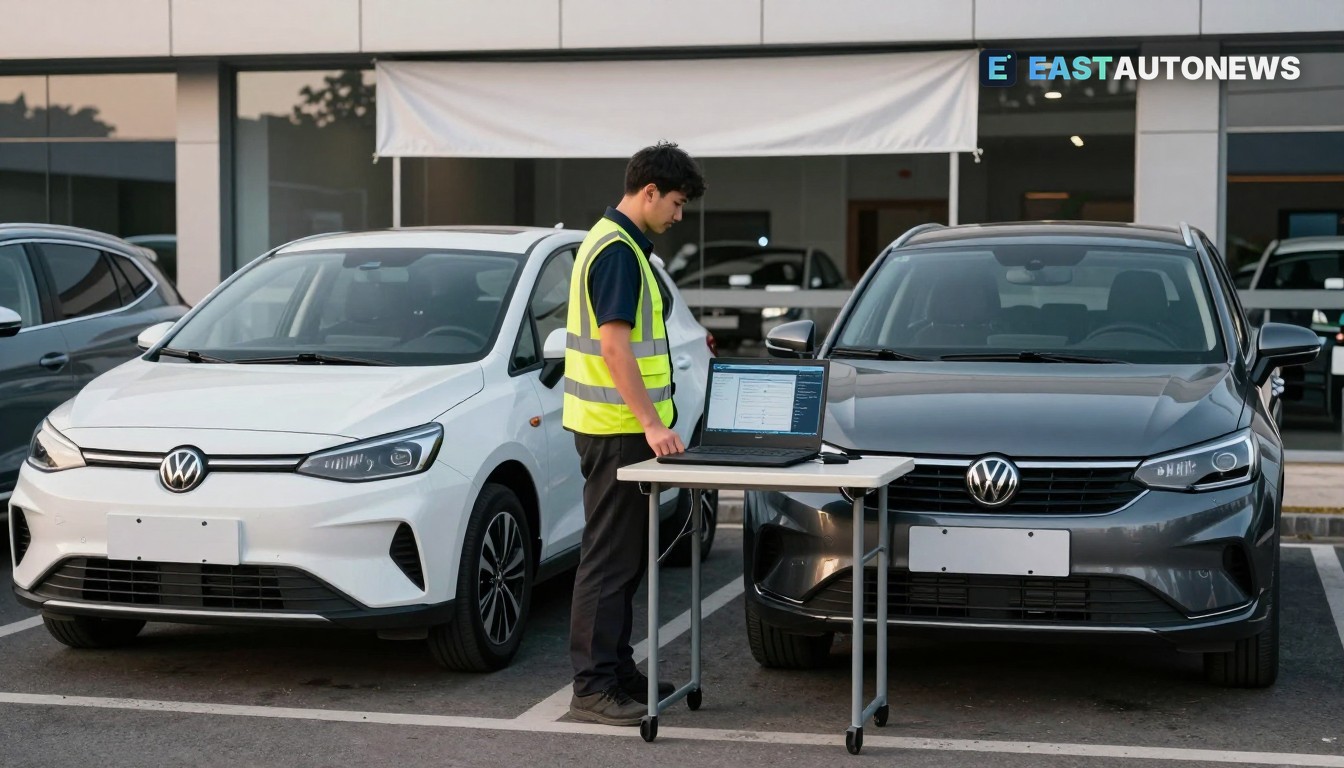
Used‑car dealers and remarketing teams in Europe are increasingly piloting AI market‑scanning tools to manage sharply diverging price dynamics between battery‑electric vehicles (BEVs) and combustion‑engine cars. The trend was described in a November 13, 2026 briefing that summarised dealer demand for live, cross‑border pricing and sourcing signals driven by fast‑moving BEV residuals.
Numbers that pushed dealers to AI
Platform indexes show the split clearly: AutoScout24’s October Used Car Price Index recorded an average asking price of €26,728 for German listings in October 2026, while listed BEVs averaged about €39,658 — a substantial premium versus the overall market. Those platform figures and month‑on‑month movements are being cited by dealers as the business case for automated market scanning.
The surge in new BEV registrations that will feed into used supply is reinforcing the effect. Germany’s Federal Motor Transport Authority reported 254,492 passenger‑car registrations in October 2026, of which 94,086 were battery‑electric — a 37.0% share for the month, according to the KBA’s October data released 4 November 2026. That pace — a near‑fourth of new‑car demand moving to BEVs in some months — tightens supply of desirable used electrics and supports higher asking prices.
AI in the showroom: what dealers are doing
Dealers describe three immediate, practical uses for market‑scanning AI: dynamic repricing that updates offers against live listings; cross‑border sourcing recommendations (identify cheaper equivalents in neighbouring markets and quantify import costs); and channel optimisation (which platform or auction will likely return the best net). The briefing noted vendors such as DaVinci AI building multi‑agent systems that pull listings, dealer stock and registration trends into executable pricing and sourcing actions.
What this means for the market
For Central and Eastern European importers, remarketers and dealer groups the immediate takeaway is tactical: treat BEVs as a separate asset class when valuing trade‑ins and setting offers, and use cross‑market intelligence rather than relying on local historical price series. Faster, AI‑driven repricing reduces days‑to‑sale and limits margin erosion when residuals move quickly; cross‑border sourcing can convert a regional supply imbalance into a profit opportunity if transport, taxes and homologation risk are modelled into the decision.
Operationally, implementing these systems requires clean stock inventories, live portal feeds and integration with sales channels. Smaller dealers will most likely access the capability through third‑party platforms or dealer‑group services rather than building in‑house. The result is a faster, more liquid pan‑European used market — and sharper price dispersion for cars that do not travel easily across borders (left‑ vs right‑hand drive, local specs, taxation differences).
Used electric cars on WorldTrader24 →
Sources: AutoPresse, AutoScout24 (AGPI via Vehilo) and KBA/electrive.net.