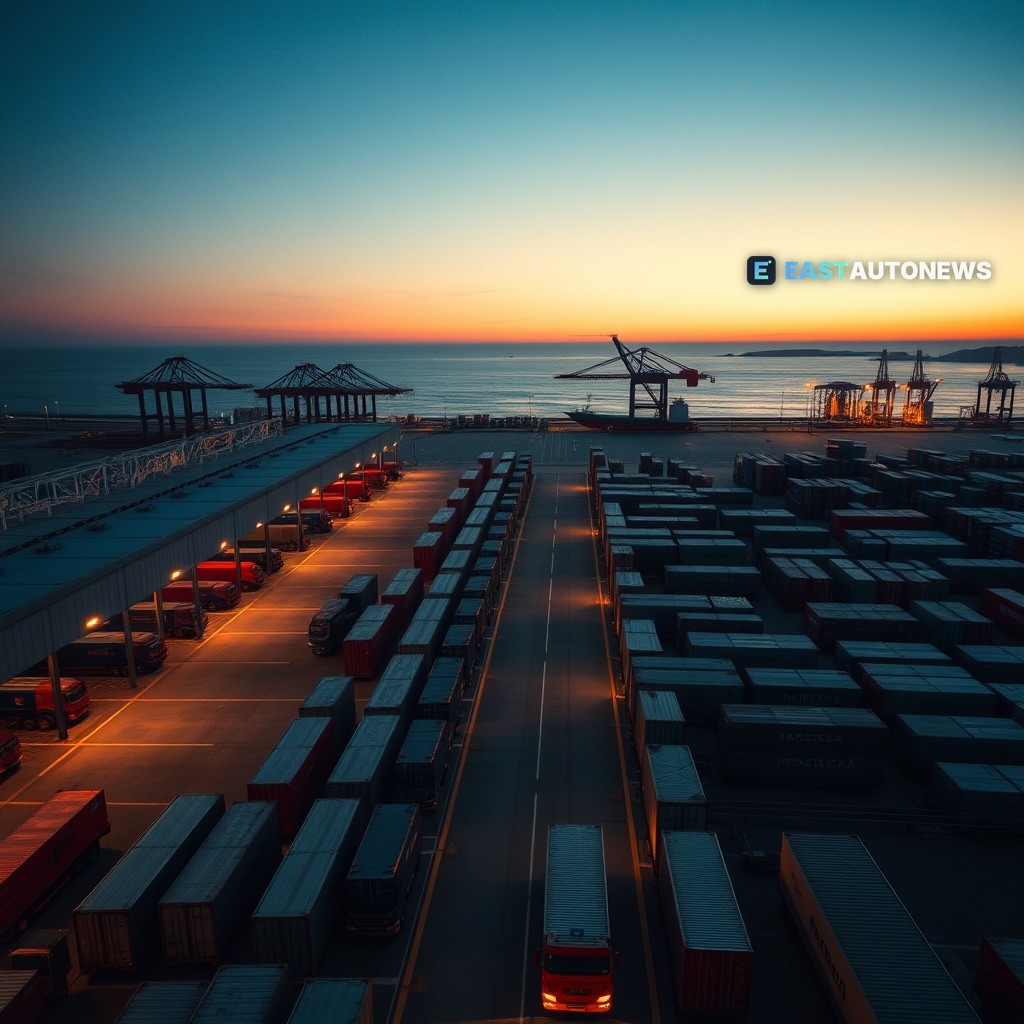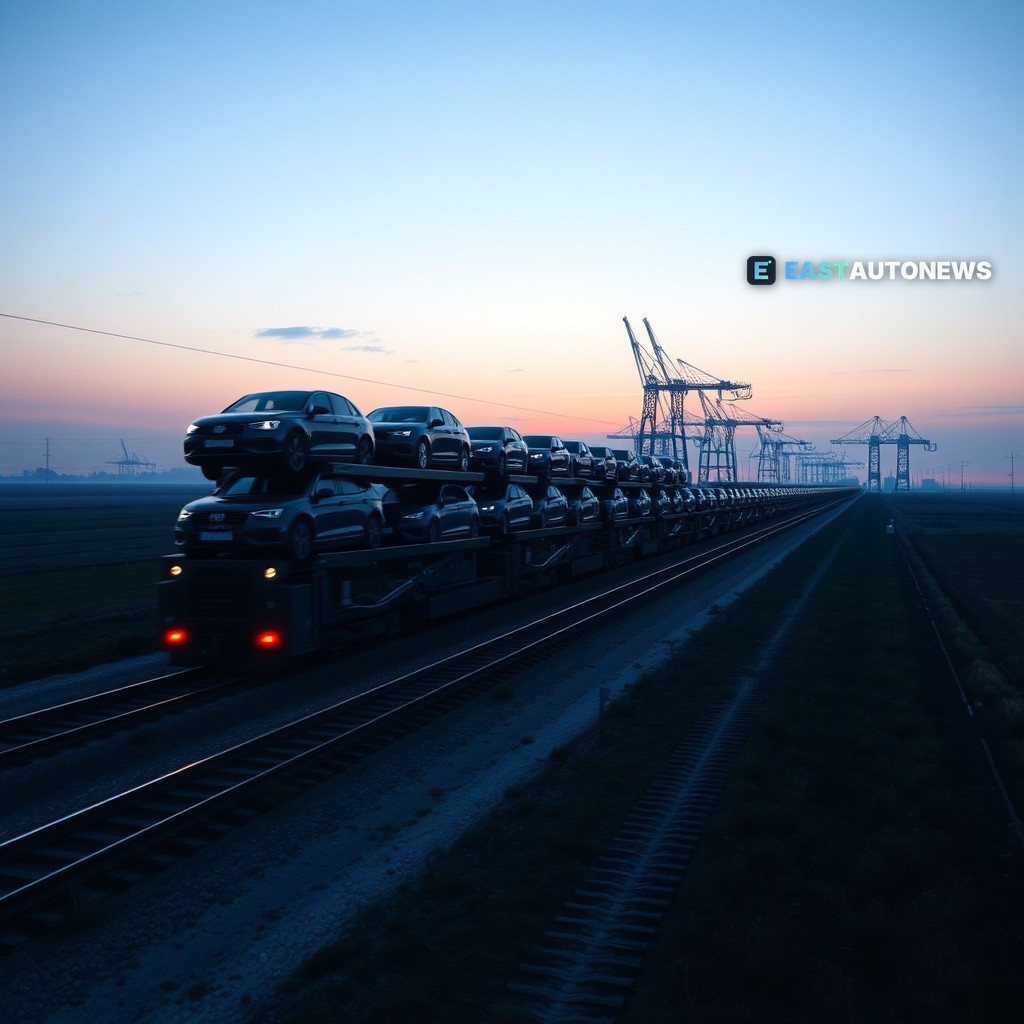
The loudest statement in Hungarian logistics this season made almost no sound: a container train gliding to a halt in Fényeslitke. CMA CGM's first container train has arrived at the East-West Gate (EWG) intermodal terminal, marking a new development in the facility's growing role in international container logistics. When a global container carrier books its first train into a Hungarian terminal, the freight market reads it as a verdict: the East-West corridor through Hungary is open for serious business.
The stakes reach well beyond one terminal. Hungary is a developing, high-income mixed economy, the 53rd-largest in the world out of 188 countries measured by the IMF, with annual output of roughly $265 billion. For an economy of that scale, the prize is a share of the trade lanes now carrying Chinese cars and components into Europe — and the country is quietly assembling both halves of the equation: the rails that move the goods, and the factories that build the products.
The factory half is taking shape in Szeged, where BYD's Hungarian car plant is due to begin assembly in the fourth quarter of 2026 — a year later than planned. The delay has tested patience, but the quarter has now arrived, and with it a genuine trial of whether the Chinese carmaker's advantages in cost, scale and electric vehicle technology can be replicated overseas. Szeged will not want for industrial company: a count of Hungary's automotive sector on 25 October 2026 tallied 334 companies, a cluster of firms of every size spread across the country's cities.
That density is precisely what China's automakers are counting on as they dig deeper into Europe. The expansion marks a new phase in China's global automotive ambitions, and Hungary — with its intermodal gateway in Fényeslitke and now a flagship Chinese assembly plant in Szeged — sits at the intersection of both flows. Containers in, cars out: the outline of an automotive hub is becoming visible on the map.
For the global buying public, the fine print matters. For buyers outside Europe, nothing changes soon: lead times and prices for China-built BYD cars depend on the export company, the version and the shipping route — not on Szeged. The plant's consequences will play out inside Europe first. But viewed from Fényeslitke's new rail tracks, the direction of travel is unmistakable: Hungary is positioning itself as the place where Chinese vehicles enter Europe, and increasingly where they are built.
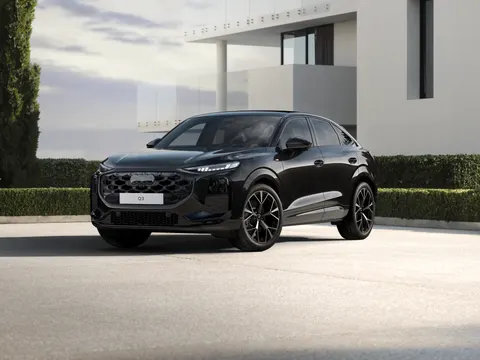
Gateways and assembly plants shape the industry's long game, but businesses need vehicles in the here and now. Readers looking for a car can find sensational cars at sensational conditions at WorldTrader24, Europe's marketplace with over 70,000 vehicles.