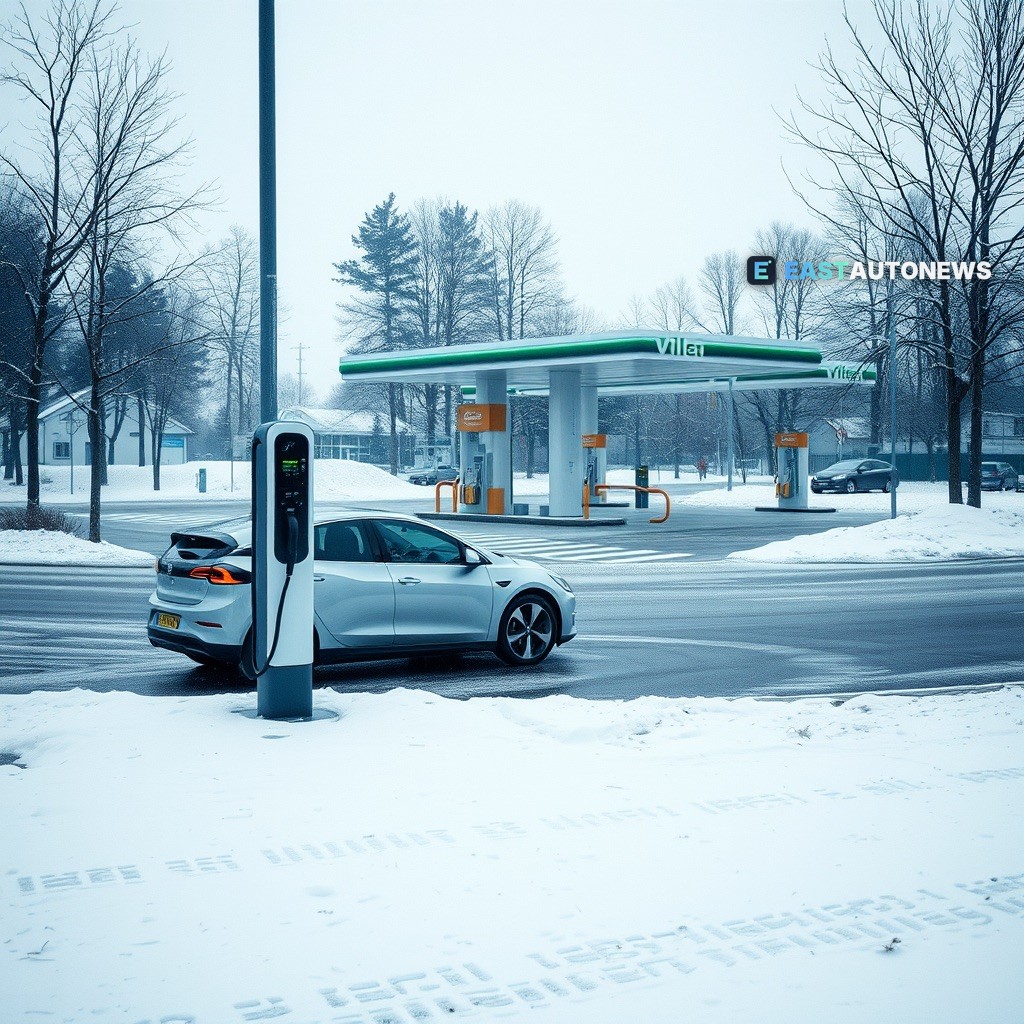
The most persuasive salesperson in Latvia's car market doesn't work in a showroom – it stands at the fuel pump. Across the country, fuel prices are approaching what experts describe as a critical threshold: the point at which the cost of a full tank stops being a nuisance and starts rewriting buying decisions. It is a quiet flashpoint, but one with the power to reshape the Baltic automotive landscape.
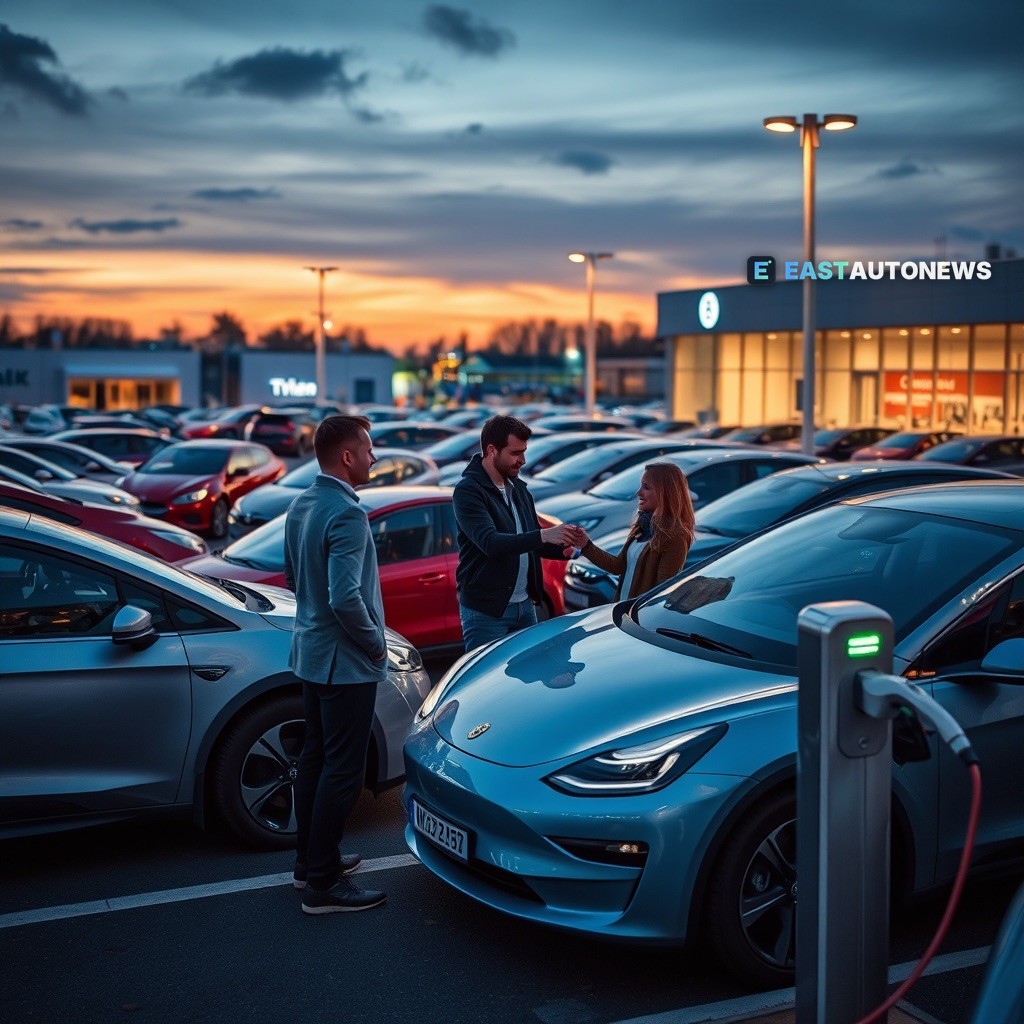
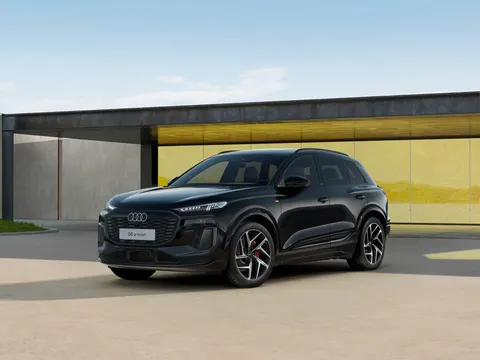
The market is already answering. New electric car registrations in Latvia have climbed 46% this year, according to local reports, and experts predict that rising fuel prices will accelerate the shift toward electric vehicles as the threshold draws near. What was recently a niche choice for early adopters is hardening into mainstream arithmetic: when the pump becomes the most expensive part of ownership, the battery starts to look like a bargain.
For the trade, the implications reach far beyond the showroom. Importers, dealers and fleet operators face a demand pivot that could reorder stock, service capacity and residual values across the country – and in a market as price-sensitive as Latvia's, running costs have quietly become the decisive argument in every purchase negotiation.
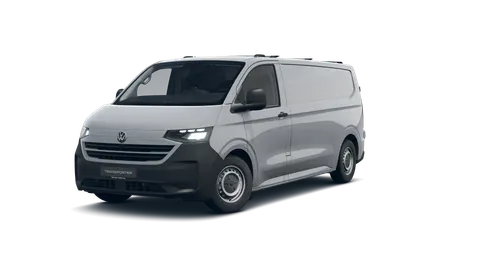
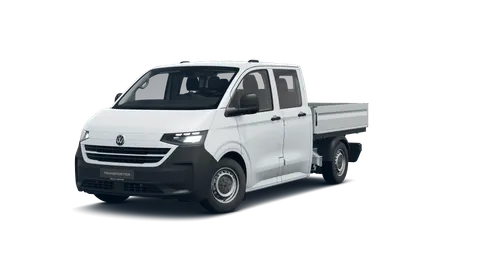
The shift is unfolding against a backdrop of unusual churn in the national vehicle stock. Latvia continues to send dozens of confiscated vehicles to Ukraine, where they are repaired and put to work, with demand concentrated on practical workhorses. “We receive offers every two weeks, we evaluate which cars are suitable. We repair them and send them,” those involved in the pipeline describe, noting “a big emphasis on jeeps, vans, estate cars.” Every vehicle that leaves the domestic fleet is one that must eventually be replaced.
The logistics map is being redrawn at the same time. Latvian carriers stand to lose €6 million a year under the government's planned ban on bus transportation to Russia and Belarus – a decision that would sever one of the region's last eastern passenger corridors and deepen the country's reorientation toward European markets. For a transport sector already squeezed by fuel costs, the direction of travel is unmistakable: Latvia's mobility future points west – and increasingly, electric.
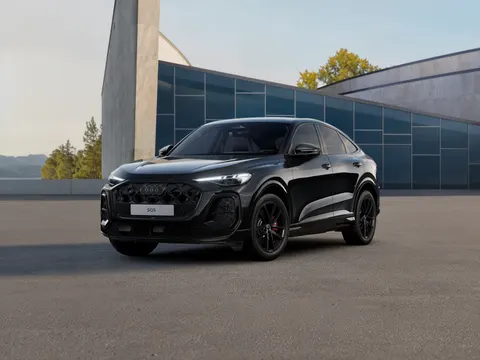
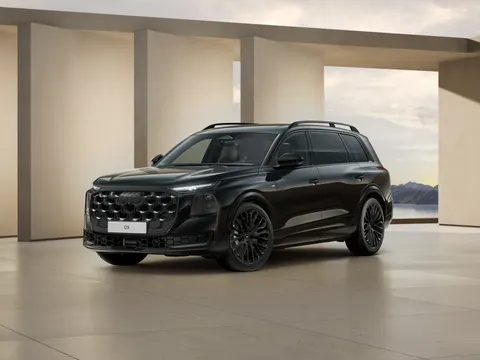
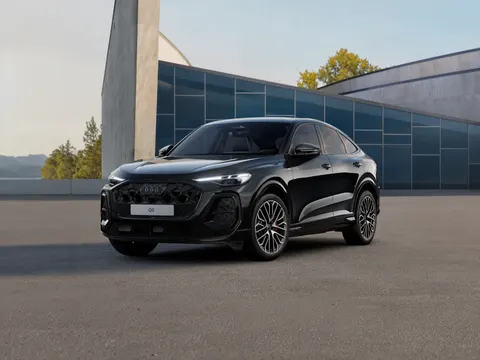
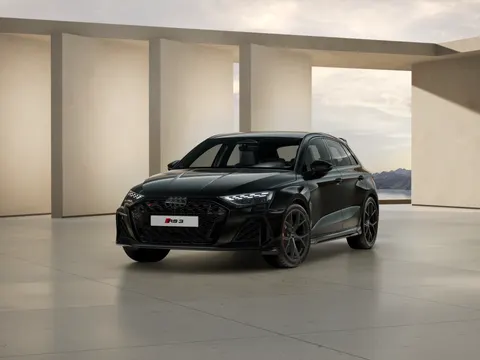
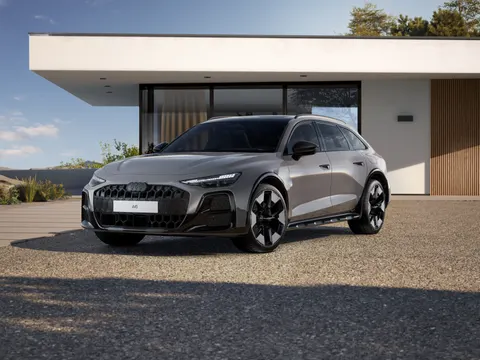
For businesses and private buyers recalculating what fuel prices mean for their next move, the market offers more options than the pump suggests – from frugal used cars and hybrids to fully electric models. Anyone looking for a vehicle will find sensational cars at sensational conditions at WorldTrader24, Europe's marketplace with over 70,000 vehicles.