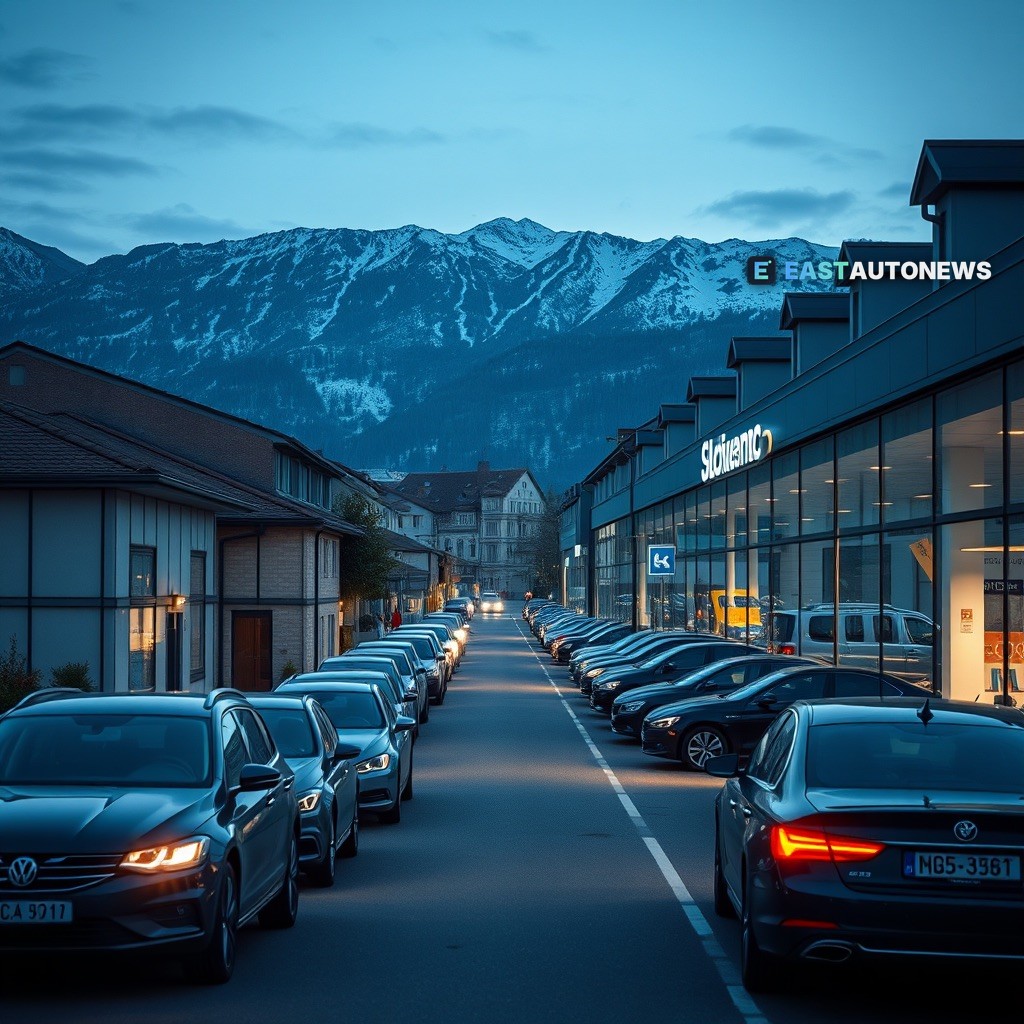
Six thousand, six hundred and fifty-seven. That is the precise number of car companies doing business in Slovenia, counted on 25 October 2026 — and it may be the most quietly revealing figure the country's automotive sector has produced all year. In a market that outsiders tend to view as a transit corridor between Central Europe and the Balkans, the tally exposes an ecosystem of startling density: thousands of firms importing, selling, servicing and trading vehicles across one of the continent's smaller economies.
The registry behind the count does more than tick boxes. It maps the largest car firms, pinpoints the cities where they cluster, breaks down firm sizes and — most telling for anyone gauging the market's direction — logs the companies newly founded in 2026. What emerges is not a landscape ruled by a handful of giants but a layered, competitive trade environment where fresh entrants keep arriving, and where the distance between manufacturer and motorist is bridged by a dense web of local businesses.
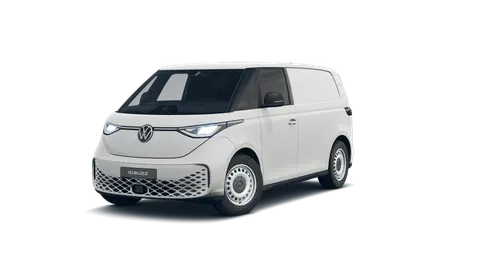
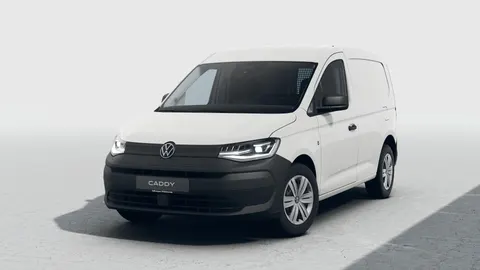
Brand dynamics reinforce the story. A 2026 country-by-country analysis of Europe's car markets finds Volkswagen's share on the rise in Slovenia, with Škoda and Toyota holding the runner-up positions. The trajectory matters precisely because it is not universal: in Switzerland, the same analysis records VW sliding from 13.0 to 11.0 percent, with Škoda and Mercedes in pursuit. Slovenia, in short, is one of the markets where Wolfsburg is still gaining ground.
The regional contrast is instructive. Slovakia, Central Europe's volume-manufacturing powerhouse, draws 44 percent of its total industrial output from automotive, and its September 2026 sales chart was topped for the first time by the Škoda Kamiq. Slovenia's automotive identity runs through a different channel: a commercial web spread across 6,657 firms that move vehicles, parts and paperwork between factories and driveways. For trade partners and logistics operators, that breadth is the story — a market where distribution, not production, sets the rhythm.
Every one of those firms now faces the same question: what happens when the electric current arrives in earnest? The European Car Market Monitor for September 2026 shows battery-electric registrations at 98 percent in Norway and 82 percent in Denmark for January–September, followed by Finland at 51 percent, Iceland at 50 and Sweden at 44. That wave has yet to break over the Adriatic at full force — but when it does, it will land on exactly the kind of companies Slovenia counts in such improbable abundance, and the newest names in the 2026 registry may be the ones best placed to ride it.
In a market this crowded, scale increasingly comes from platforms rather than forecourts. Readers looking for a vehicle — whether a VW, a Škoda or a Toyota — can find sensational cars at sensational conditions at WorldTrader24, Europe's marketplace with over 70,000 vehicles.