Central and Eastern Europe's freight network is being pulled in several directions at once. Figures from the Hungarian Central Statistical Office (KSH) show exports to the United States running more than 35% higher in January–August than a year earlier, with industry setting the pace of the country's foreign trade. At the same time, a surge in Chinese vehicle imports and a Ukrainian grain shift onto rail are tightening capacity across the region's ports, warehouses and border corridors.
Hungary's logistics map is following its factories. As Bytes Europe reports, port and warehouse capacity clustered near production sites is becoming the backbone of the export economy, shortening the path from assembly line to shipping gate. A transatlantic lane up by more than a third in eight months underlines how quickly the country's trade flows are being redrawn — and how hard the logistics sector is working to keep up.
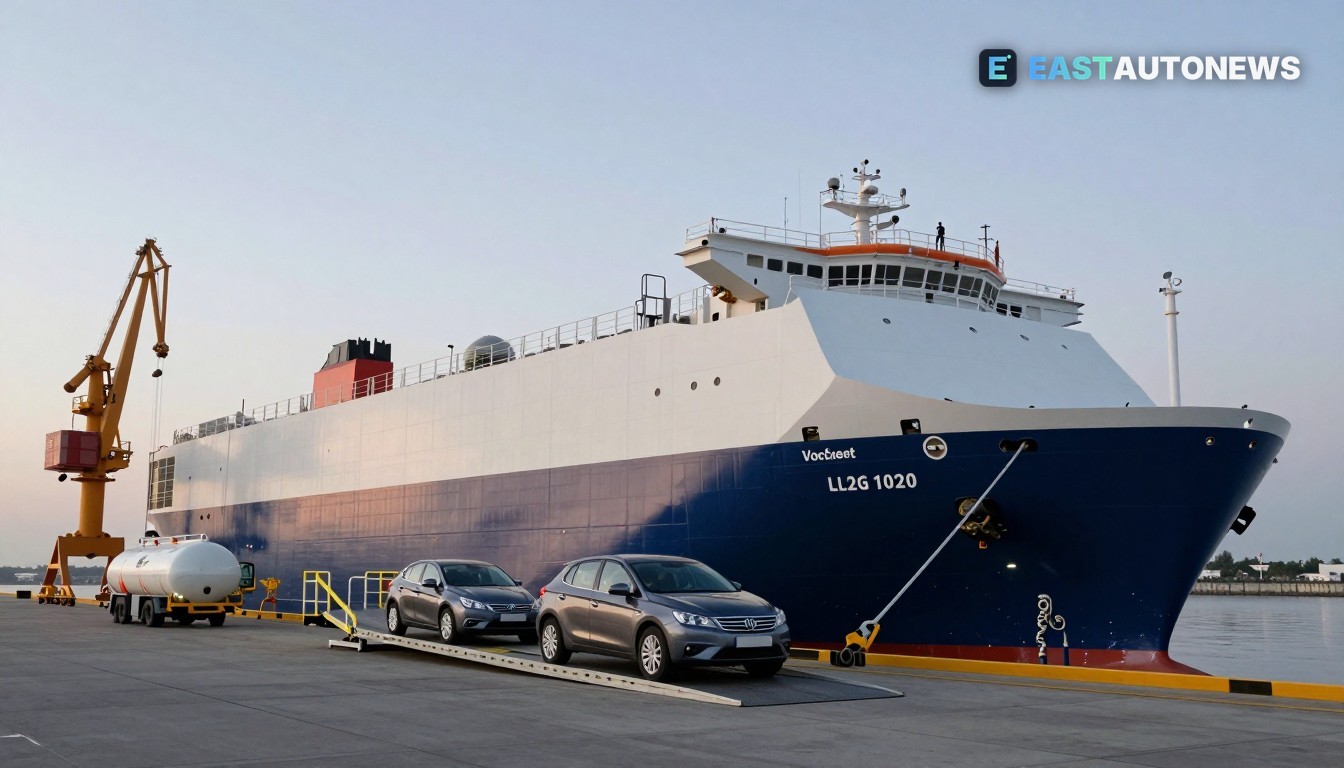
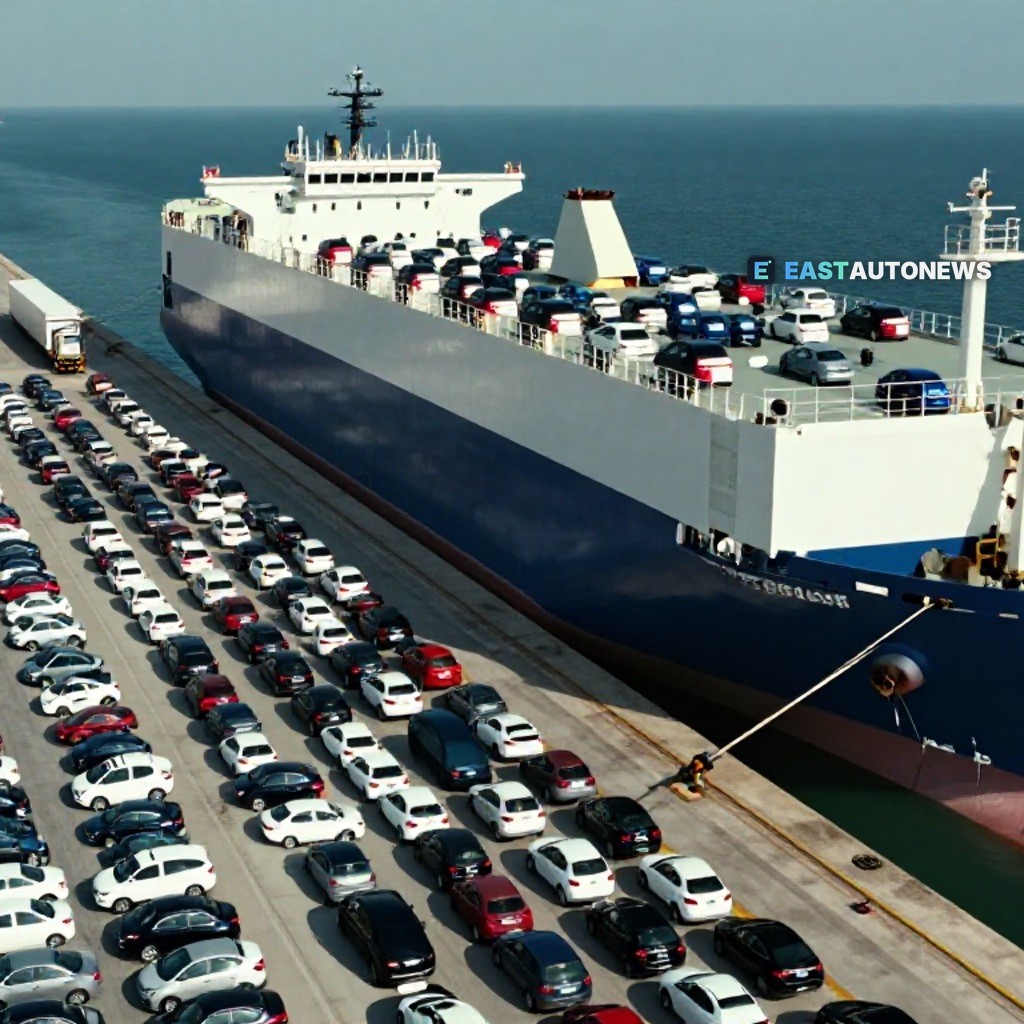
The inflow from China adds pressure from the opposite direction. CPCA analysts project full-year Chinese exports to reach 12 million vehicles, according to ArenaEV, with Europe posting the highest gains in the global EV market as China ships its surplus overseas. The consequences for European logistics are already visible: as EastAutoNews recently reported, the surge is shifting vehicle import gateways southward to Mediterranean ports, bypassing saturated North Sea routes as containerized shipping expands.
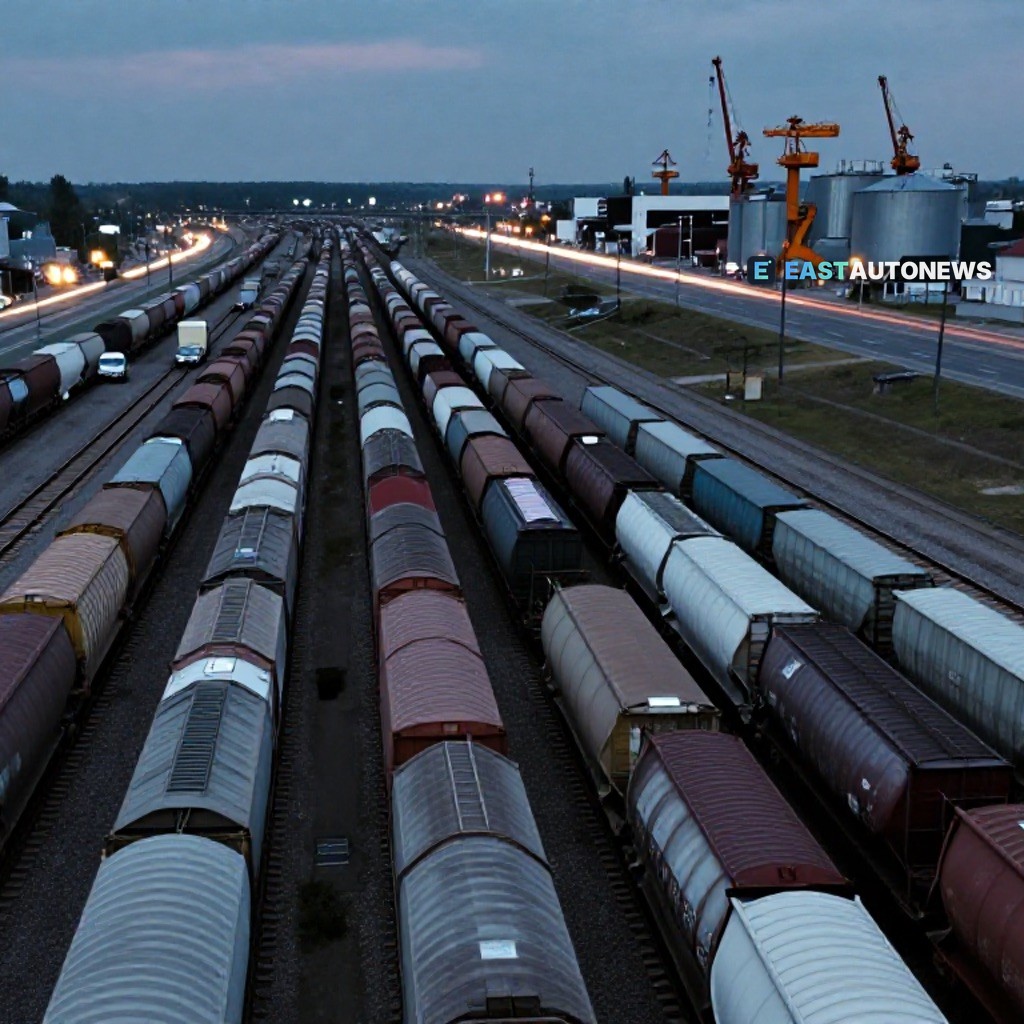
Rail, meanwhile, is absorbing a shock of its own. As 2026 draws to a close, Ukrainian grain is turning to rail as Black Sea attacks expose a second crisis at the EU border. Romanian and Polish producers need their own trains, wagons, storage and port terminals, and there are warnings that giving Ukrainian cargo priority without transparent capacity rules could displace domestic exports. For every other shipper on the same east–west corridors, automotive logistics included, that points to fiercer competition for wagons and terminal slots.
Taken together, the picture heading into 2027 is one of shrinking slack: export volumes climbing, import gateways shifting south and grain crowding onto rail corridors that are already contested. Dealers and fleet buyers rethinking their sourcing and distribution can compare vehicles from across the continent on WorldTrader24.de.
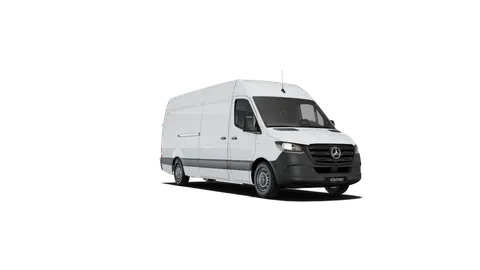
For businesses weighing whether to move goods with their own vans and trucks rather than compete for scarce freight capacity, the commercial segment offers plenty of choice. Readers looking for a vehicle can find sensational cars at sensational conditions at WorldTrader24, Europe's marketplace with over 70,000 vehicles — commercial models included.