Swiss-headquartered YES‑EU has signed a preliminary agreement to acquire the former Maserati factory in Grugliasco, on the outskirts of Turin, with plans to convert the 230,000 square‑metre site into an integrated electric‑bus, battery‑pack and battery‑energy‑storage (BESS) hub for Italy and wider Europe. The agreement was signed on 12 November 2026, according to industry reports.
Deal, timetable and scope
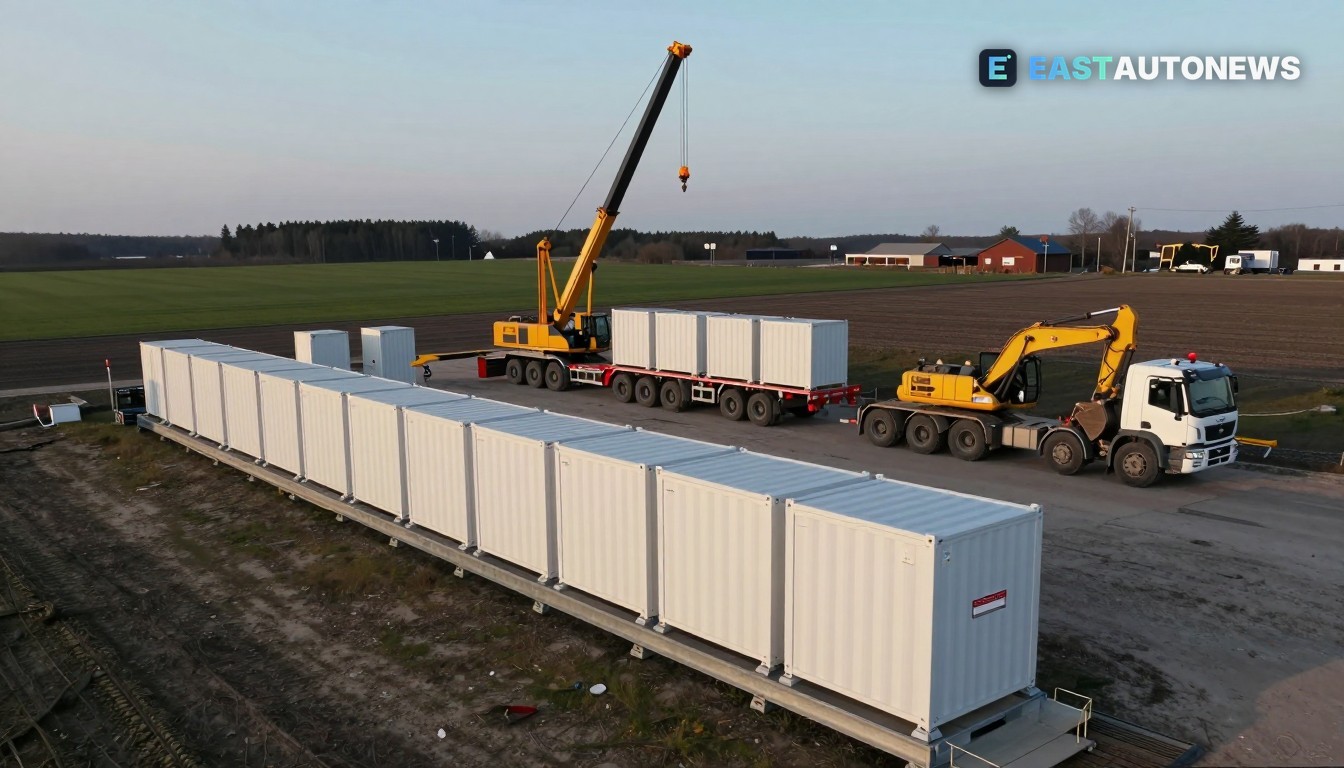
Under the deal, YES‑EU plans to adapt and refit existing buildings in 2027 and to bring the first production lines online in 2028. The announced industrial programme covers production and assembly of electric buses and minibuses, battery‑pack assembly, stationary battery energy storage systems, lifecycle services and recycling. Employment at full capacity is projected at up to about 150 people.
YES‑EU is already an established importer and distributor of Chinese‑made electric buses (notably CRRC) in parts of Europe, and the company has been involved in battery service projects such as a battery lifecycle centre in Norway. The Grugliasco project is framed as a step from importer and servicer towards local manufacturing and integrated battery services in Europe.
What this means for the market
The deal illustrates two broader industry trends affecting Central and Eastern Europe: (1) the shift by importers and specialist integrators from distribution to on‑shore assembly and battery services, and (2) the growing market for electrified commercial vehicles and BESS that creates new supplier opportunities across Europe. While the facility sits in northern Italy, CEE suppliers of bus components, wiring, seats and battery thermal management could gain work as buyers and integrators seek nearer‑market manufacturing and faster aftermarket support.
For European public‑transport procurement, local assembly and battery servicing in Italy may strengthen YES‑EU’s competitive position in tenders — a dynamic CEE suppliers should monitor as OEMs and fleet operators increasingly favour regional sourcing for warranties, spare parts and battery lifecycle management. The projected 2028 start and relatively small headcount (c.150) indicate a focus on modular assembly, battery integration and BESS services rather than large‑scale vehicle manufacturing.
YES‑EU’s move also underlines demand for sites that combine vehicle assembly with battery and storage functions: governments and regional authorities are likely to support conversions of existing large industrial sites that can be repurposed for clean‑energy vehicle ecosystems. That could accelerate similar projects across Europe, including in CEE regions with available industrial sites and suppliers able to plug into battery and e‑vehicle supply chains.
Sources: Sustainable Bus, EVNews