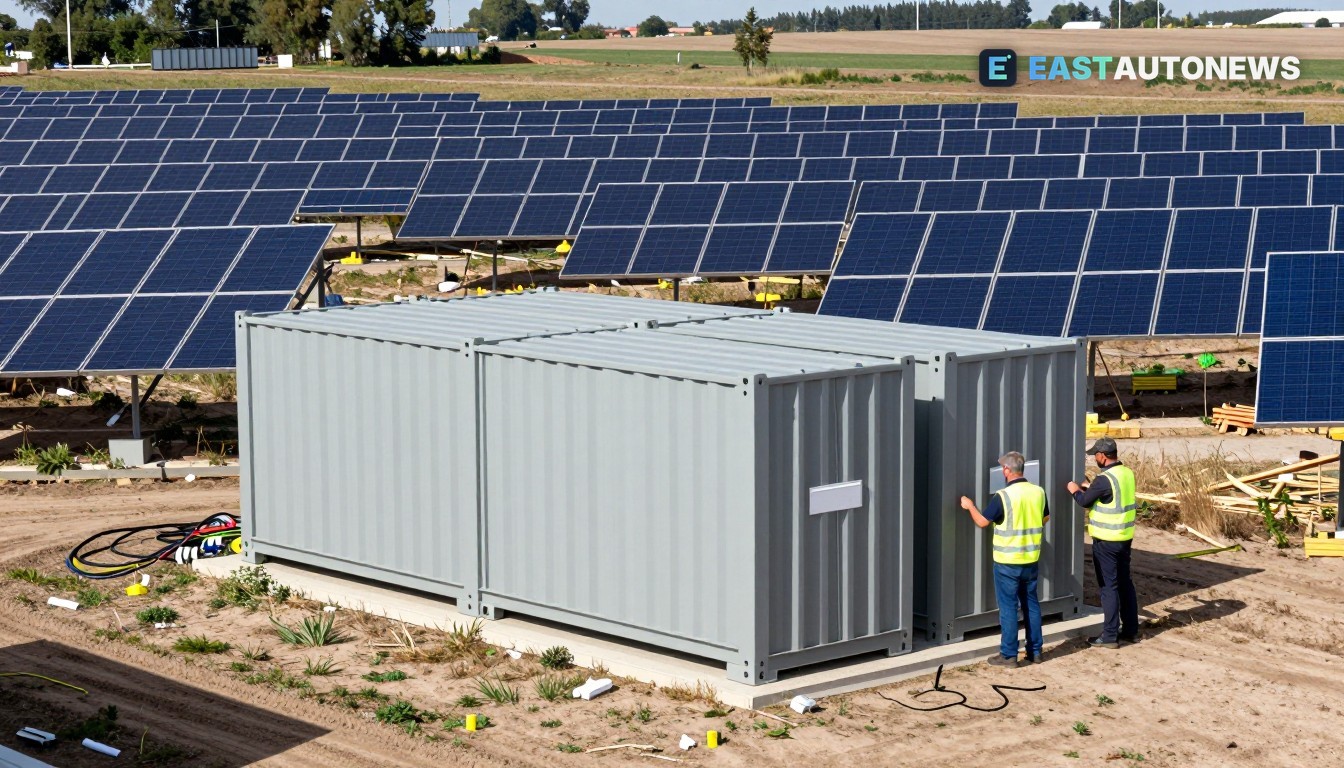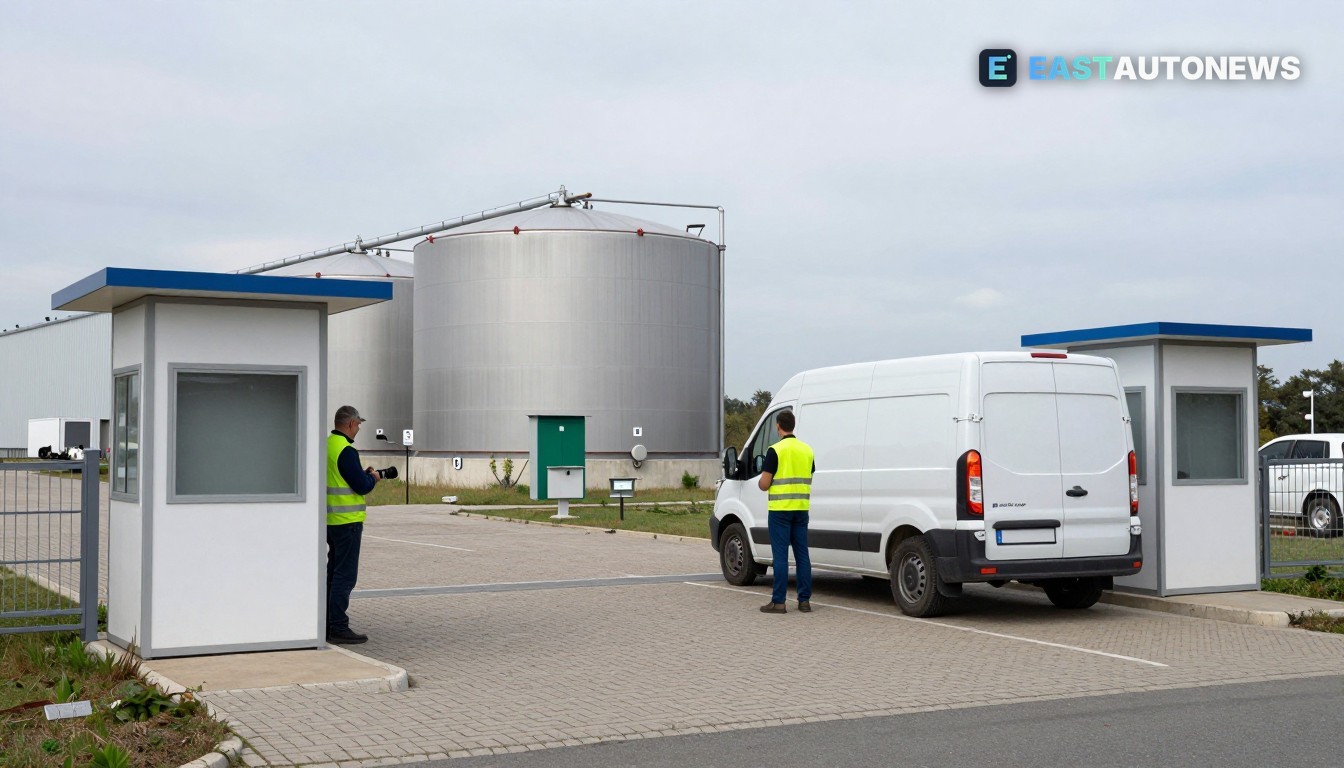
Hungary’s new, stricter enforcement of environmental and safety rules at battery plants has escalated in the past weeks, hitting suppliers that underpin Europe’s EV supply chain and raising fresh market risk for carmakers that source cells and components from the country.
What happened
Seoul’s trade ministry dispatched Deputy Minister Park Jeong‑seong to Budapest on Nov. 9 to press Hungarian officials for predictable conditions after a wave of inspections and penalties at battery sites. Park told Hungarian ministers that “Korean companies such as Samsung SDI and SK On have invested more than $8 billion…in Hungary so far” and asked for support so investments can continue without disruption.
The tougher scrutiny follows a nationwide inspection programme that began on Aug. 1 and a sequence of enforcement actions affecting both materials suppliers and cell makers. Hungary has announced plans to raise the maximum environmental fine from HUF 2 billion to HUF 5 billion and to introduce a “three‑strikes” rule that could levy a minimum penalty equal to 0.5% of prior‑year sales after repeated breaches.
Among the concrete sanctions: SK On’s Iváncsa plant has been fined HUF 100 million twice — once for occupational‑safety breaches in August and again for groundwater contamination and permit deviations in September — and the company has been placed on a register of serious violators, excluding it from eligibility for some state subsidies for two years, according to reporting and official summaries.
Materials suppliers have taken the earliest hits: Semcorp’s separator factory in Debrecen remains under suspension, and Dongwha Electrolyte had its permit annulled on Oct. 18, forcing a fresh application for environmental assessment. At the same time, CATL says trial production began at its Debrecen cell lines on Sept. 22, underscoring a mixed picture of stoppages and limited progress.
Supply and market effects so far
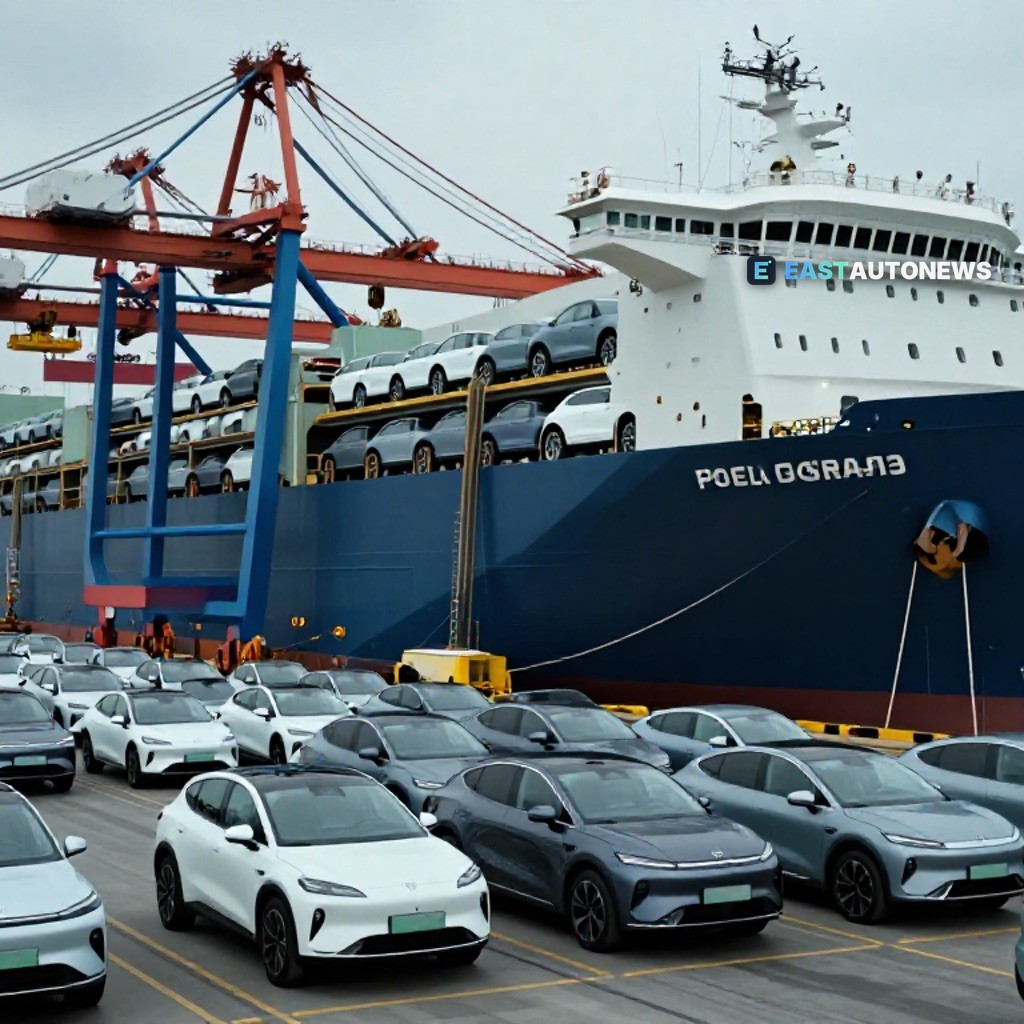
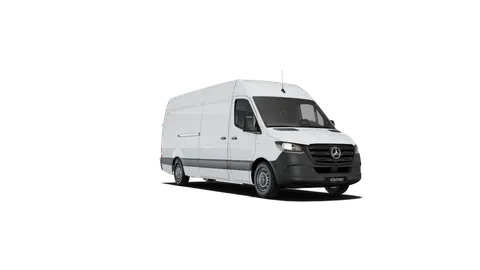
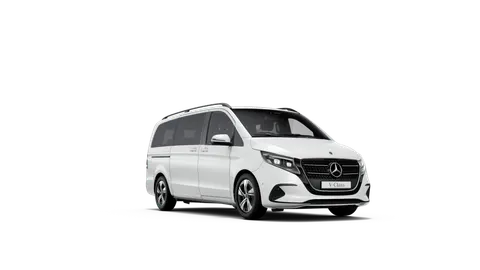
So far, documented customer impacts are limited but tangible. Mercedes Vans, for example, has sourced some VLE van batteries from China after Debrecen delays; in at least one case CATL absorbed the higher logistics cost to meet delivery requirements. Benchmarks of Hungarian cell capacity (127 GWh forecast in April) and roughly €26 billion of announced battery investment into Hungary since 2021 are now being stress‑tested by enforcement and permitting changes.
What this means for the market
For Central and Eastern Europe’s auto industry the immediate consequence is a higher premium on supply predictability. Localised cell and materials capacity was supposed to be a competitive advantage for CEE vehicle plants; the current reset shifts some of that advantage back into risk management. Carmakers and tier‑1s will either have to hold larger buffer inventories, accept higher logistical and customs costs importing replacement packs, or accelerate diversification of suppliers and locations — all choices that raise near‑term costs and complicate production planning.
Investors and governments will watch the implementation dates and the new national environmental authority (planned from Jan. 1, 2027) closely: if Hungary applies the tougher regime uniformly, compliant sites and alternative European locations stand to gain; if enforcement remains selective, political and commercial frictions could chill future battery‑layer investment.
Sources: ChosunBiz, Battery‑Tech Network