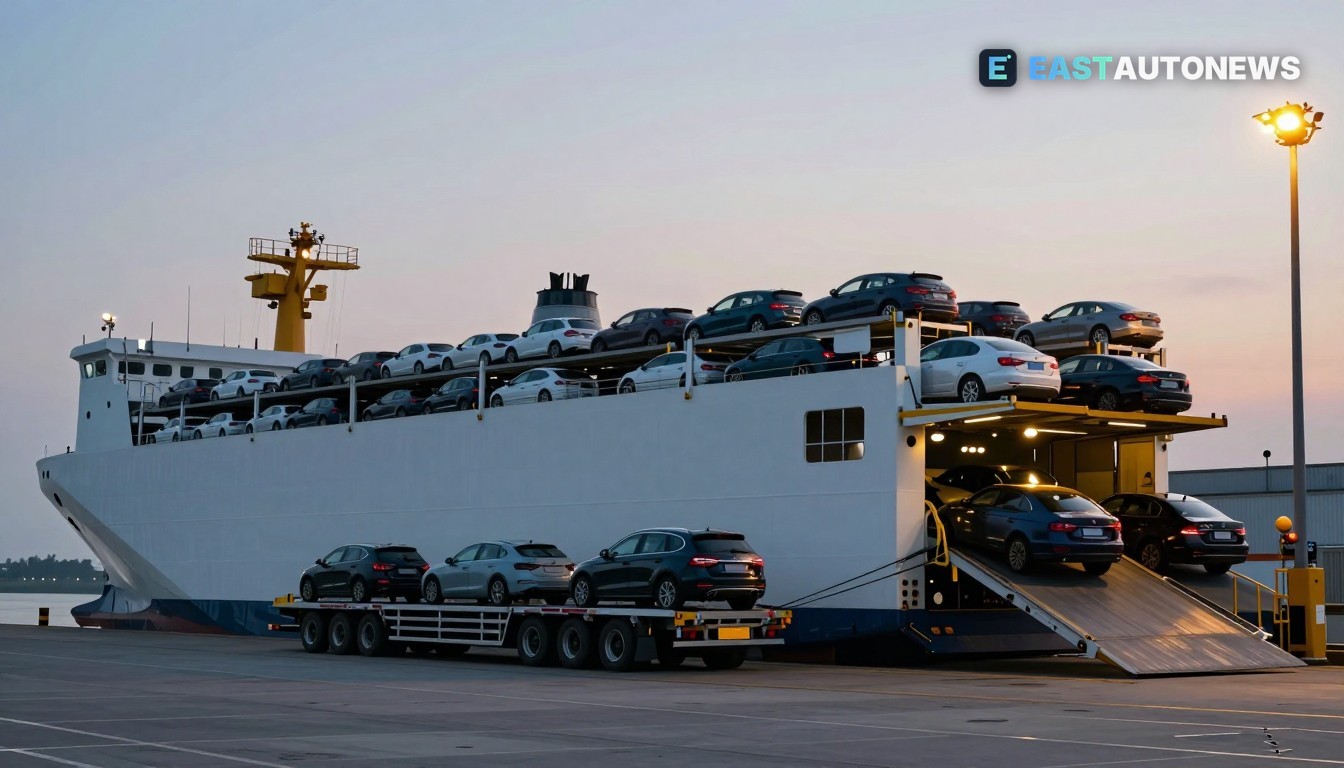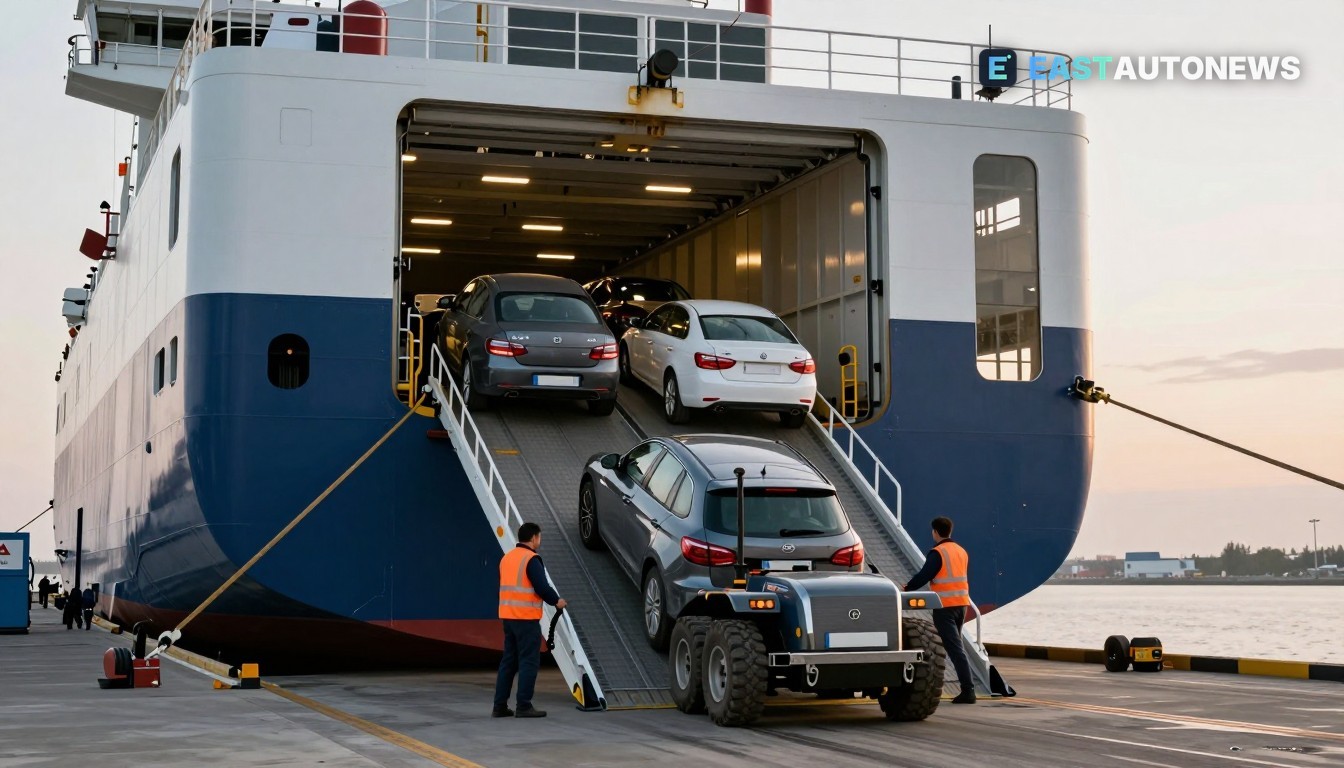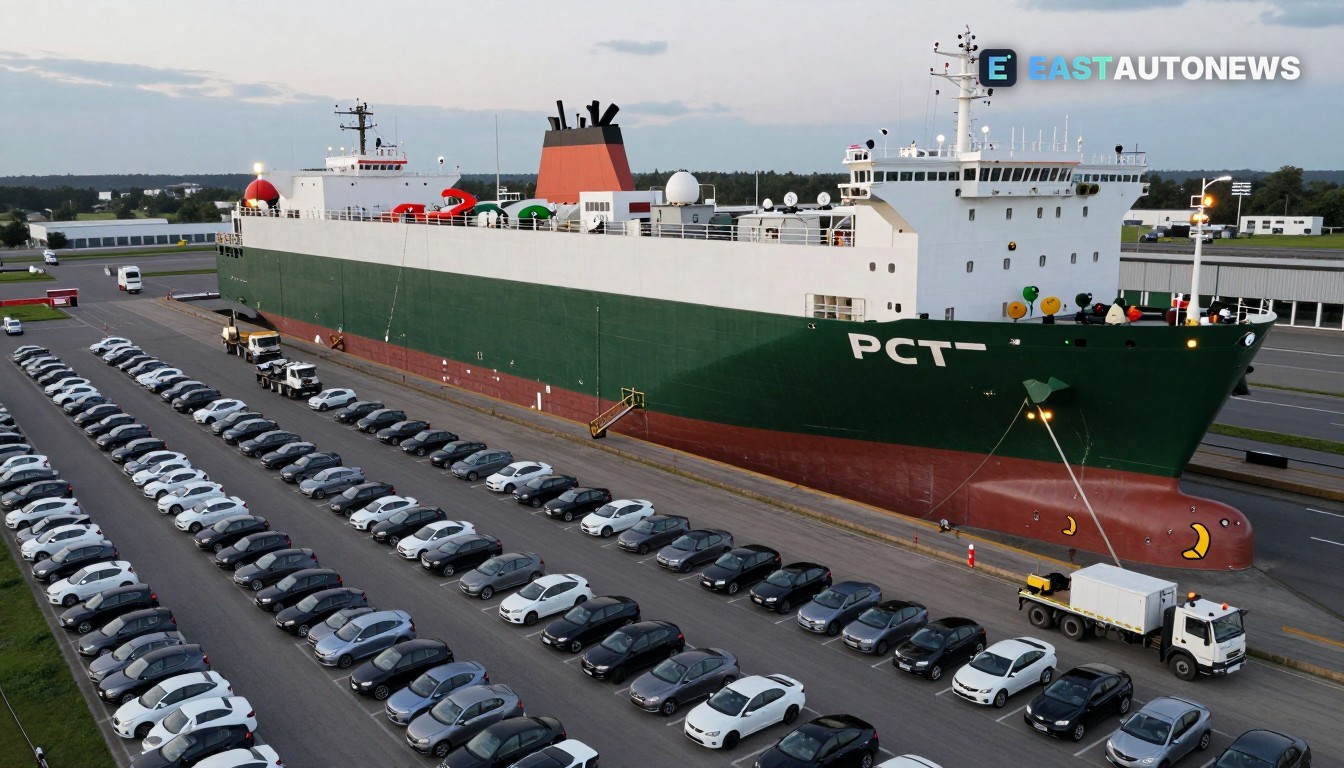
Charter costs for large vehicle carriers have surged in recent months, with market analysis showing time‑charter levels approaching US$98,000 per day for a standard 6,500 CEU PCTC. The figure was reported in a market note dated 20 November 2026 that highlighted a doubling of rates since March as vessel availability tightened.
What the data says
Shipping companies and analysts point to a combination of stronger long‑haul flows ex‑Asia, longer voyage routings and constrained Ro‑Ro capacity as the main drivers. Vessel owners and operators report that deliveries are being absorbed quickly and lead times for newbuilds remain long despite heavy contracting earlier in the year. Wallenius Wilhelmsen’s Q3 2026 presentation notes continued growth in volumes ex‑Asia, constrained Ro‑Ro capacity and strengthening freight and charter markets; the group also confirmed a USD 300m equity raise to fund newbuild expansion.
Industry trackers add that part of the pressure stems from China’s export boom: some shipping analysts have reported that China’s vehicle exports rose sharply through 2026 and that a notable share of exports has even moved in containers where Ro‑Ro slots were unavailable. Earlier market reporting put a still‑high one‑year charter level for a standard vehicle carrier at roughly US$61,700 per day in mid‑2026, underlining how rapidly conditions have tightened again this autumn.
What this means for the market
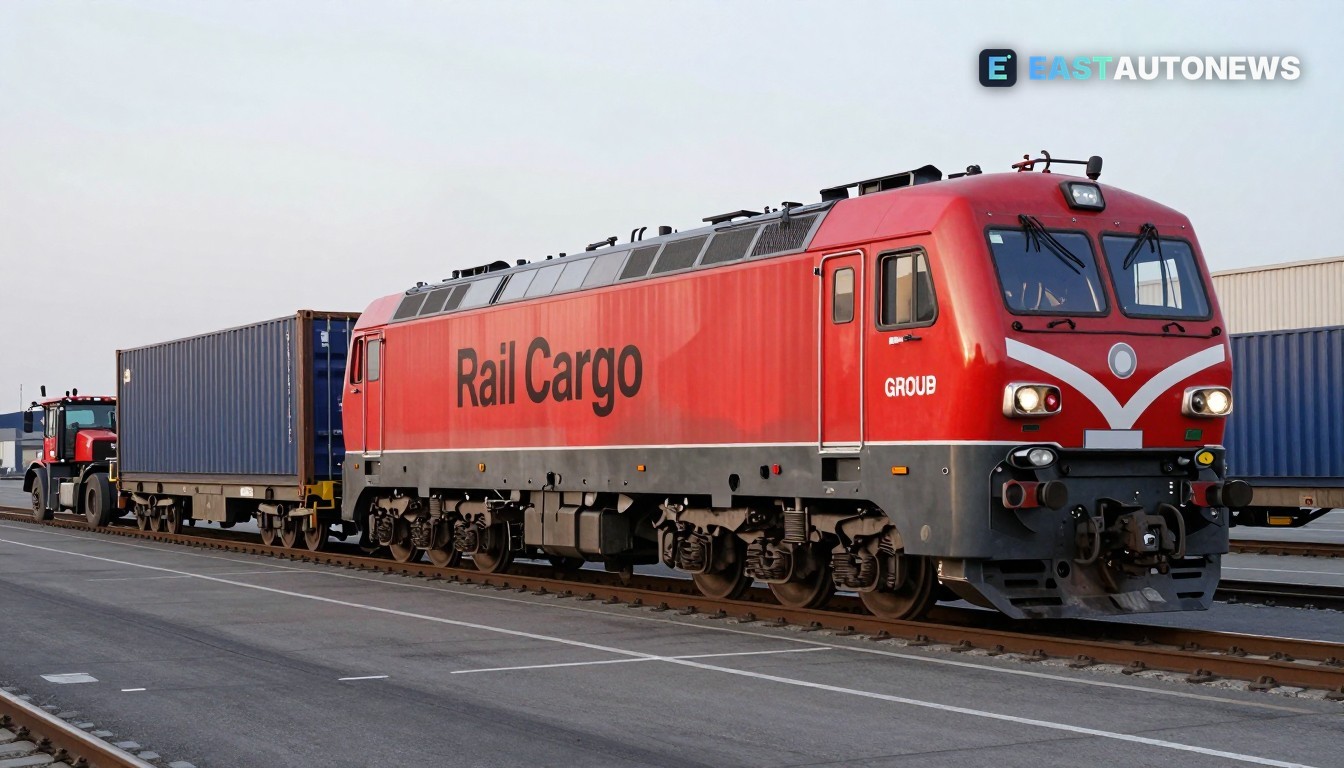
Higher PCTC charter rates translate directly into raised ocean freight costs for finished vehicles and spare parts shipped from Asia to Europe. That raises landed costs for importers and can widen the pricing gap between locally assembled vehicles and imports in Central and Eastern Europe (CEE). Tighter Ro‑Ro capacity also increases the risk of shipment delays and reroutings to alternative ports, which can boost inland trucking and rail costs for CEE distribution networks.
Ports and logistics hubs in CEE that handle finished vehicles — especially Adriatic and Baltic gateways — may see a short‑term uplift in volumes as carriers consolidate sailings and call at fewer, larger terminals. At the same time, ports lacking roll‑on/roll‑off capacity or fast access to hinterland rail will be disadvantaged and could face congestion spikes. Wallenius Wilhelmsen’s market materials flag the structural nature of the demand increase and note that owners are ordering new tonnage but that deliveries will take years to materialise.
For CEE manufacturers and assemblers that rely on imported components or export finished cars, the immediate effect will be higher freight bills and greater incentive to re‑optimise supply chains — for example by increasing local buffer stocks, shifting more parts by rail, or negotiating longer‑term charters and space agreements with carriers. These are operational and cost decisions that logistics teams and purchasing departments will need to address now as seasonal shipping pressures persist.
WorldTrader24 B2B vehicle marketplace for traders →
Sources: Lloyd’s List, Wallenius Wilhelmsen, Riviera