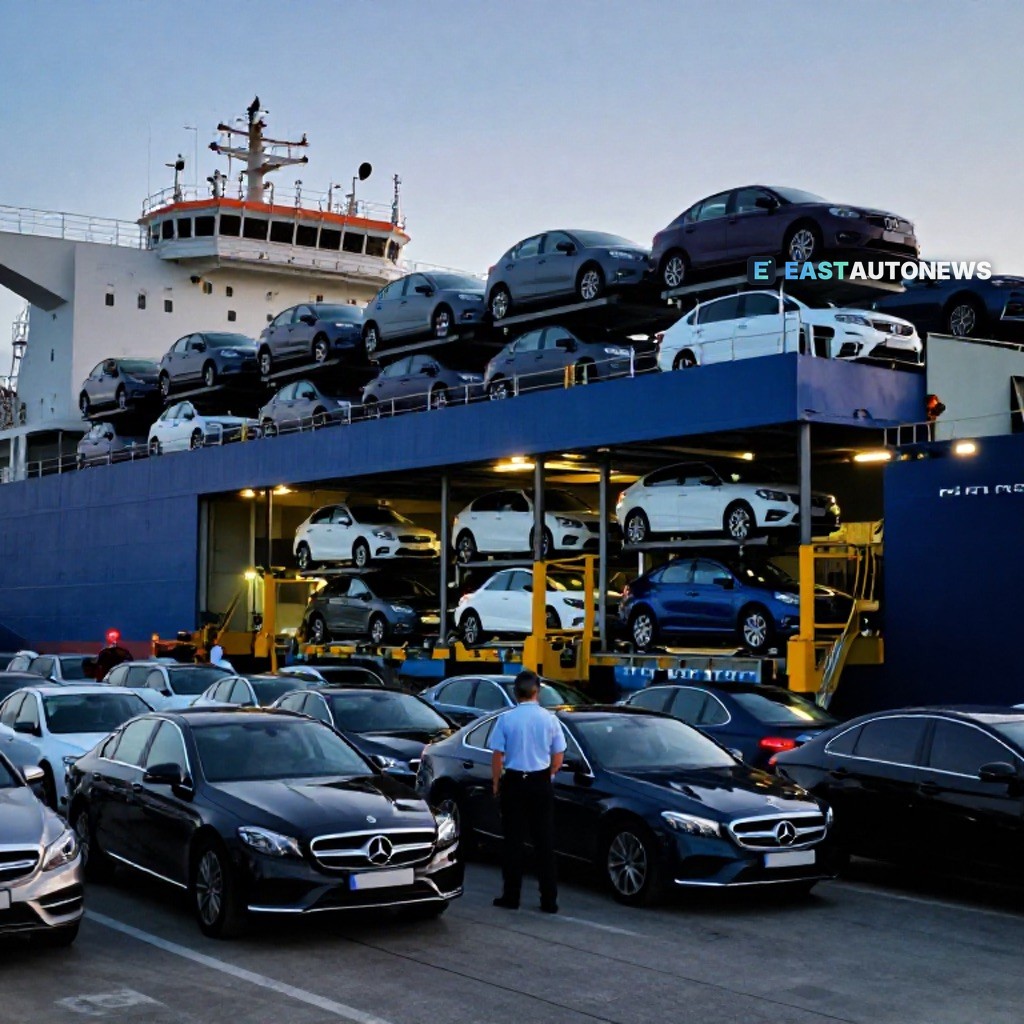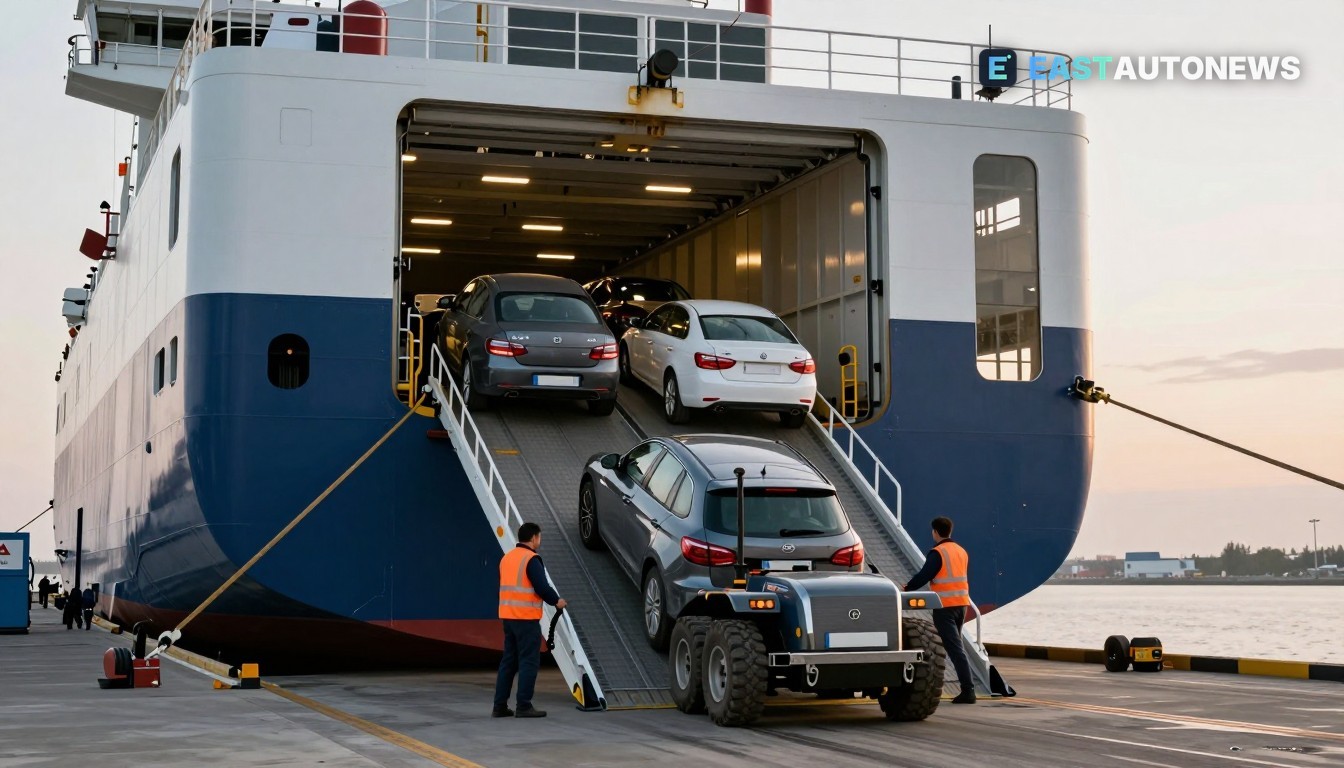
American Roll‑On/Roll‑Off Carrier Group (ARC) has brought the 757‑foot vehicle carrier ARC United (IMO 9505053) under the U.S. flag and into its fleet, the company announced on November 19, 2026. The ship is a Large Car and Truck Carrier (LCTC) with 13 cargo decks — five hoistable — and the ability to carry nearly 8,000 car‑equivalent units; its stern ramp is rated to roll loads up to 320 tonnes.
Ship details and official rationale
ARC said ARC United will operate commercially while remaining available to support U.S. military sealift requirements through the federal Maritime Security Program (MSP). The company noted the move strengthens both commercial export capacity and the nation’s ability to move heavy military equipment without the need for shoreside cranes. ARC president and CEO Eric Ebeling said: “The cargo we carry keeps our armed forces supplied and American industry moving. ARC United strengthens our ability to serve our commercial and government customers… Bringing the ship under the U.S. flag reflects our continued commitment to American mariners and the shipping capacity essential to our economy and national defense.”
Background: why a new car carrier matters
Global roll‑on/roll‑off (Ro‑Ro) capacity has been under pressure this year, prompting European owners to order new pure car and truck carriers (PCTCs) and record high single‑vessel loadings in export hubs. Industry reporting notes a recent letter of intent for 10 large PCTCs and describes tight Ro‑Ro markets and elevated vehicle‑shipping rates; separately, ports handling large export volumes have recorded record single‑vessel loadings, underlining demand for car‑lift capacity.
What this means for the market
While ARC United is a U.S.‑flagged asset and its MSP role is explicitly military‑facing, the ship’s commercial availability in peacetime adds meaningful lift to the global Ro‑Ro pool — particularly for heavy rolling cargo and high‑deck clearance vehicles that need hoistable decks. For Central and Eastern Europe this matters because finished‑vehicle export and import flows depend on available PCTC and LCTC lift on routes to and from Asia and North America; any incremental ocean capacity can ease scheduling bottlenecks at CEE ports that serve exporters and importers of electrified and conventional passenger cars. (This paragraph contains analysis and inference based on the facts cited above.)
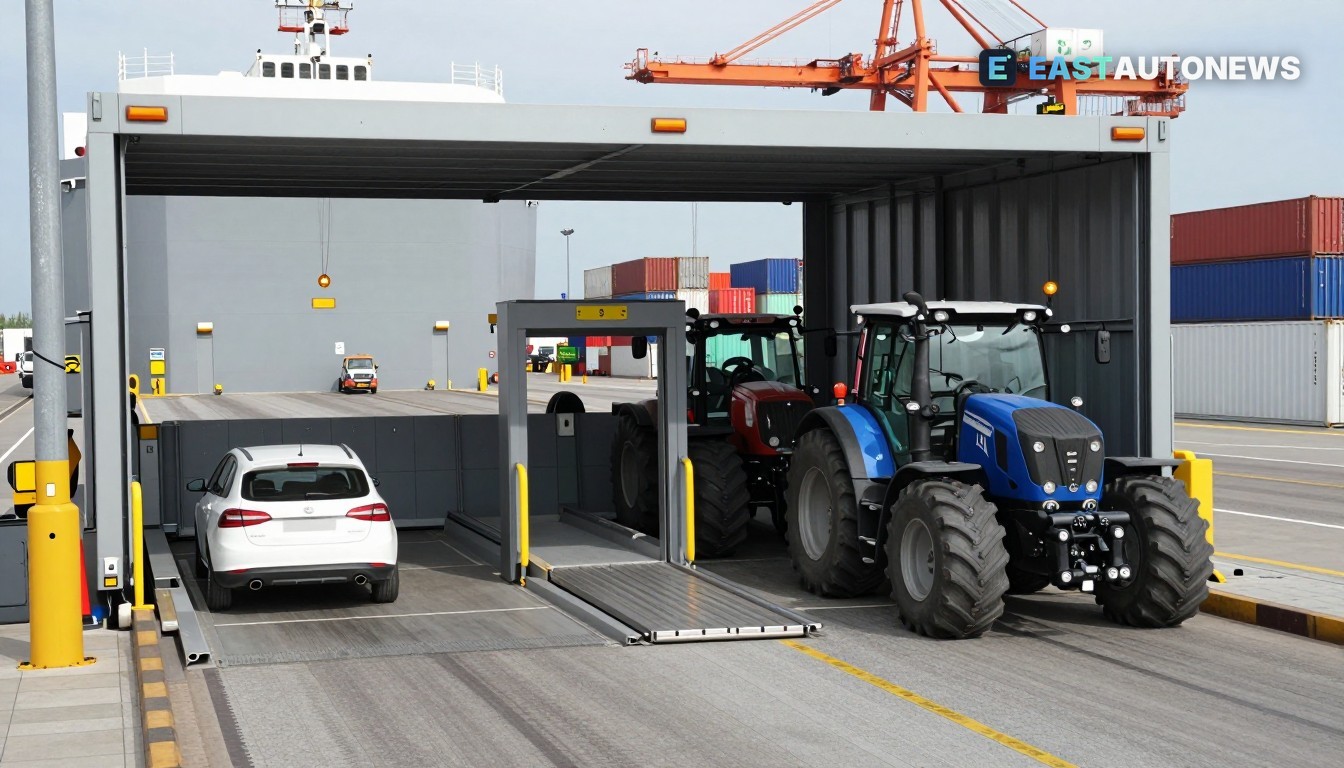
The ARC release also highlights operational capabilities directly relevant to the car industry: nearly 8,000 car‑equivalent units of capacity and a 320‑tonne stern ramp both reduce reliance on shore cranes and speed handling at ports with limited lift equipment — a practical benefit for some CEE terminals that handle mixed vehicle and heavy equipment calls.
Finally, the broader market context — investment by Ro‑Ro owners in newbuilds and recorded record loadings in export hubs — suggests demand for ocean vehicle lift remains strong. That dynamic is being driven in part by rising volumes of electrified vehicles on long sea routes, which has coincided with growth in vehicle imports at major European ports. For shippers and terminal operators in Central and Eastern Europe, the immediate effect will be modest, but additional, modern Ro‑Ro tonnage entering global pools reduces downside risk to sailing schedules and transit times.
B2B vehicle listings for dealers on WorldTrader24 →
Sources: ARC press release, Marine Log, The Port Journal