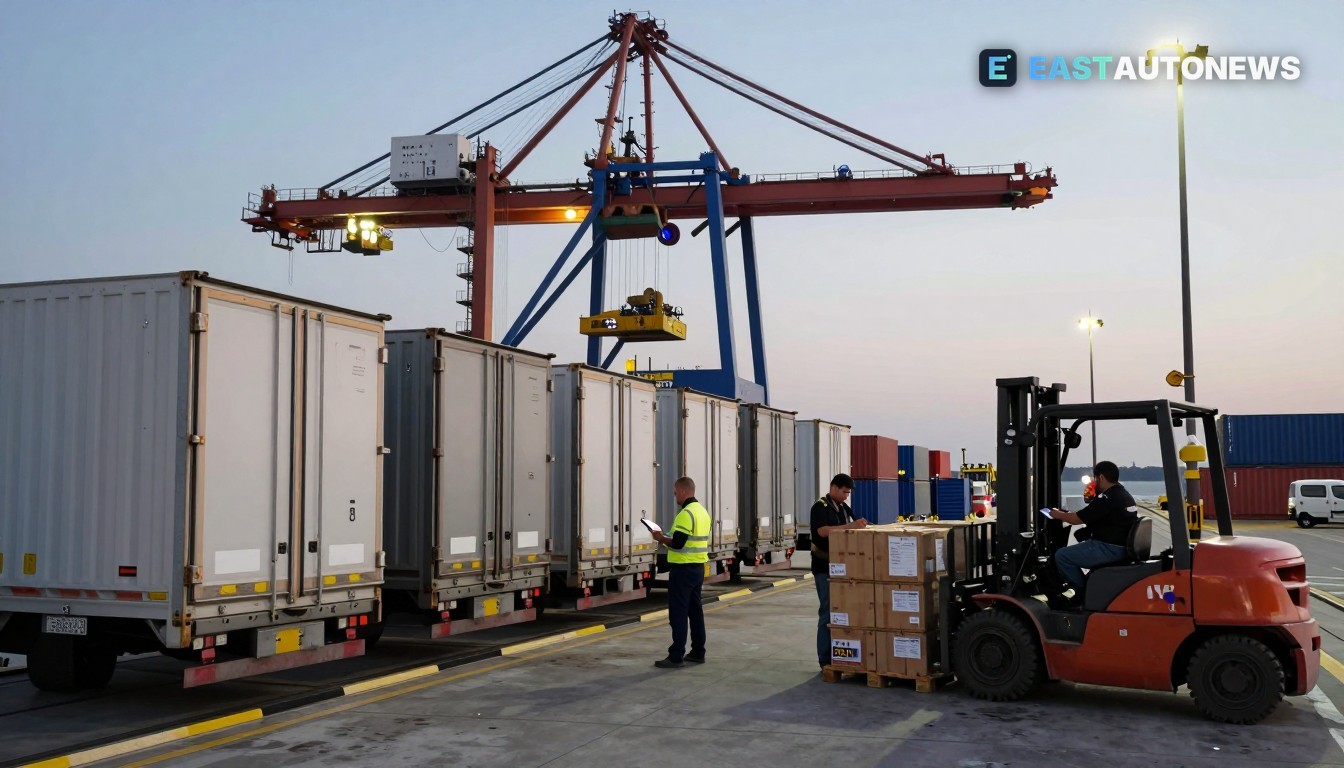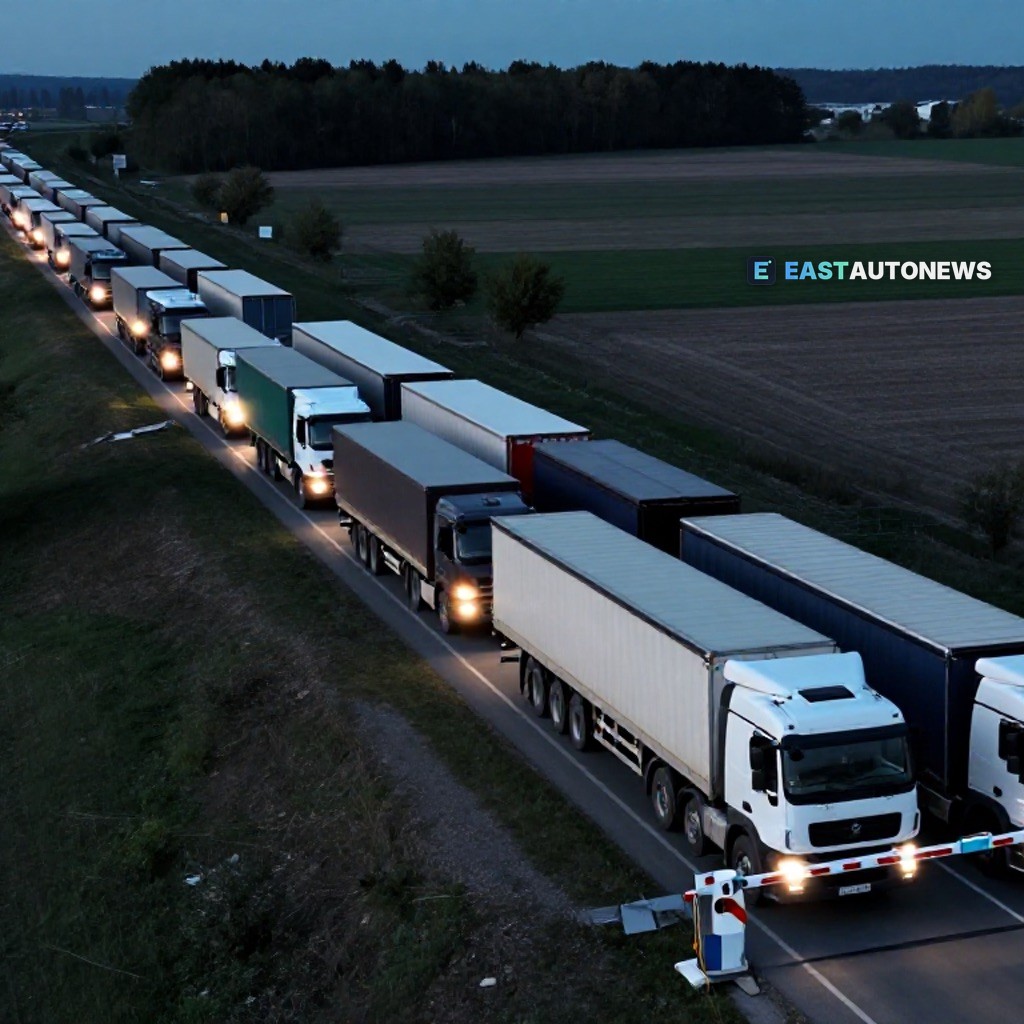
Few frontiers in Europe test a truck driver's patience like the crossing between Türkiye and Bulgaria at Kapıkule and Kapitan Andreevo. Relief is now in sight: Ankara and Sofia have agreed to open a new land border crossing dedicated exclusively to heavy goods vehicles, to be built north of the existing checkpoint — a move aimed at easing congestion at one of the continent's key freight gateways.
Reserving the new gate entirely for trucks is the clearest sign yet of how central freight has become to bilateral economic ties. By separating HGVs from passenger traffic, the two governments hope to relieve pressure on the existing checkpoint and hand logistics operators a more predictable route between Türkiye and the EU single market. For shippers moving anything from automotive components to consumer electronics, predictability at the border is worth almost as much as the road itself.
The agreement also fits a wider regional pattern. In Sofia, talks on transport links between the Black Sea and the Aegean are putting Bulgaria, Greece and Romania around the same table to develop the so-called Vertical Corridor. The forum's agenda covers upgrades to ports, roads and railways as well as better cross-border connections, all designed to make it easier to move goods between the three neighbours and on into the wider European market.
For Bulgaria, the stakes are economic as much as geographic. Electronics — components, computers and consumer electronics — rank among the country's export strengths, and many factories producing transportation equipment still do not operate at full capacity. Smoother corridors toward Turkish and Greek ports could help unlock that idle capacity and strengthen the case for new manufacturing investment in the country.
Nor is the pressure purely regional. European vehicle logistics are growing across the board: the Port of Gothenburg counted 197,000 new cars passing through in the latest period, up from 172,000 in the same period of 2025, with imports jumping 29% and exports gaining 10%. Every one of those vehicles eventually rolls onto a truck somewhere in Europe's logistics web — and it is precisely that web which Bulgaria is positioning itself to serve.
Whether they arrive via Gothenburg or Kapitan Andreevo, Europe's vehicles all end up in the same place — the market. Readers looking for their next car can find sensational vehicles at sensational conditions at WorldTrader24, Europe's marketplace with over 70,000 vehicles.