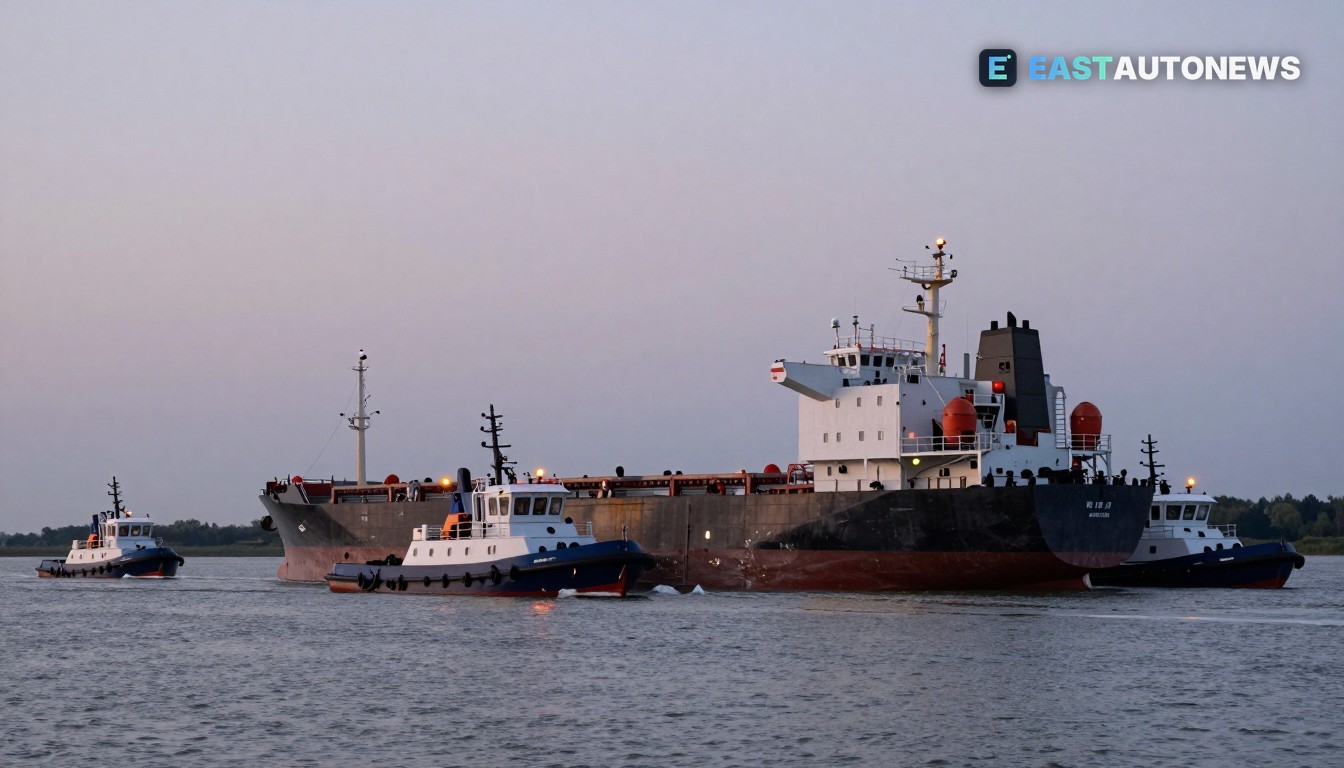
Romanian authorities said drones struck three commercial ships in the Black Sea near the Sulina canal on Nov 14–15, 2026. Prime Minister Luca Niculescu and Defence Minister Ştefan‑Radu Oprea said armed forces scrambled jets and that crews had controlled fires; no casualties were reported.
What happened and where
Romanian officials identified the incidents as taking place within and close to the Sulina approach — the shipping lane that links the Danube river to the Black Sea and is a key export route for Ukrainian cargoes. Reuters’ factbox of recent incidents lists multiple merchant vessels hit or damaged in the western Black Sea in recent weeks, underscoring the expanding maritime risk footprint off Romania and Bulgaria.
Reports name several vessels involved in recent strikes around the Sulina area (including Evia Petrol V, Marsol and Ali Najafov among other ships hit this month) and note strikes both at anchor and underway. Maritime incident monitors and intelligence registers say the pattern of attacks has concentrated around anchorage and approach areas used by ships calling Constanţa and the Danube delta.
Immediate logistics effects
Shippers and forwarders are already signalling operational fallout: carriers and insurers are revising routing and risk assessments for western Black Sea calls, and some brokers expect lines to consider war‑risk surcharges or temporary skips of Constanţa, Varna or Burgas if attacks persist. Forwarder News warned in early November that pricing and routing were set to reflect escalating risk, with carriers and insurers likely to add charges or alter port rotations.
What this means for the market
The Sulina link feeds the Danube hinterland — a corridor that carries agricultural exports, inputs and general cargo into Central and Eastern Europe. For the car industry, the practical risks are threefold.
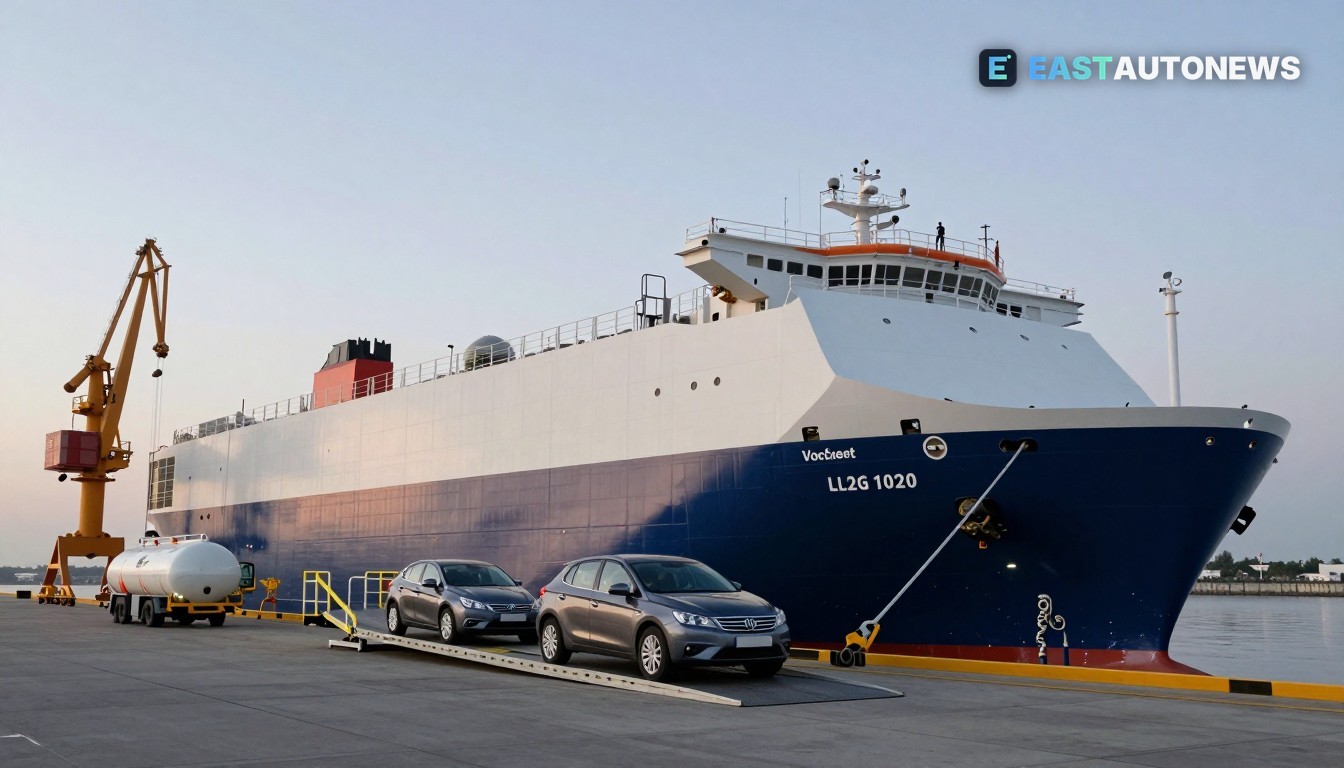
First, short‑term disruption: a spike in insurance premiums and the imposition of war‑risk surcharges would raise landed costs for imported components and finished vehicles routed via Constanţa or Black Sea feeder services, forcing some operators to rebook via northern or Adriatic gateways. This is consistent with recent shipping‑industry assessments of rising premium and rerouting risk.
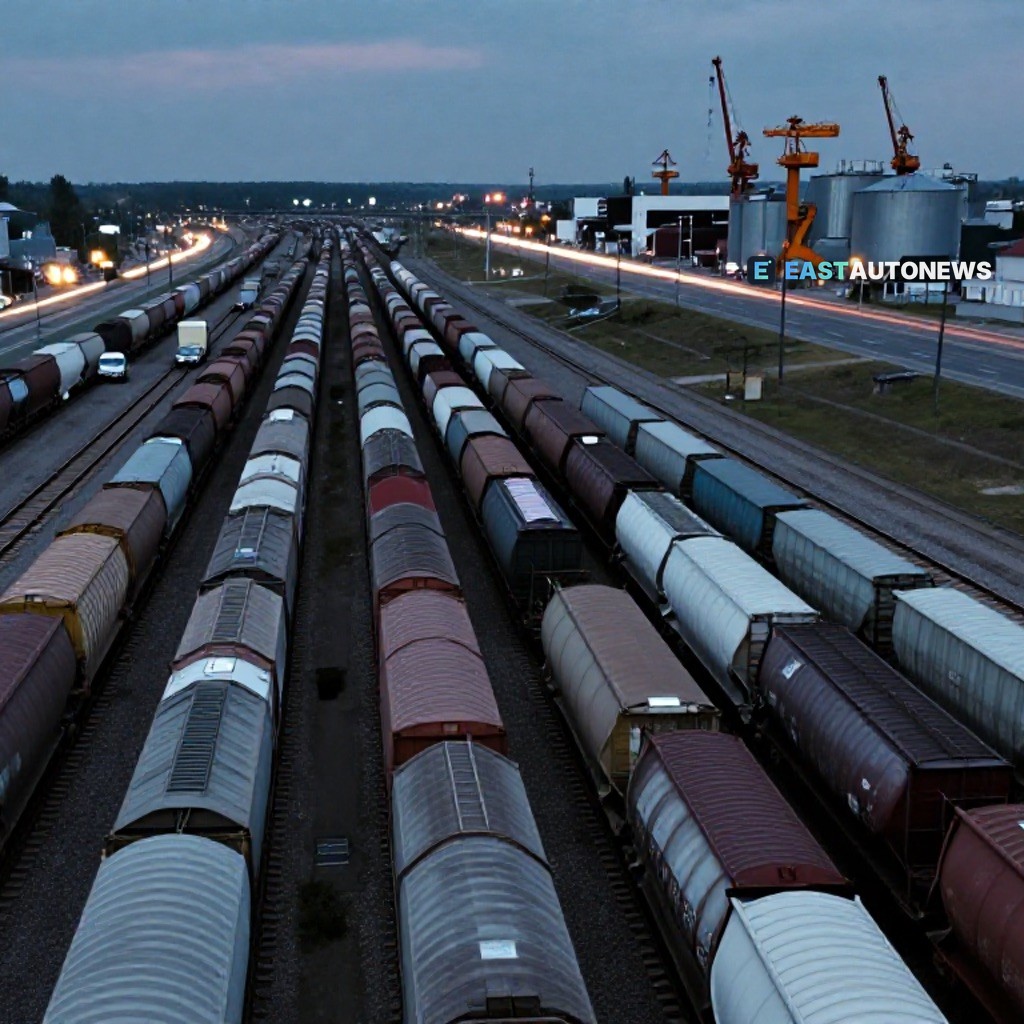
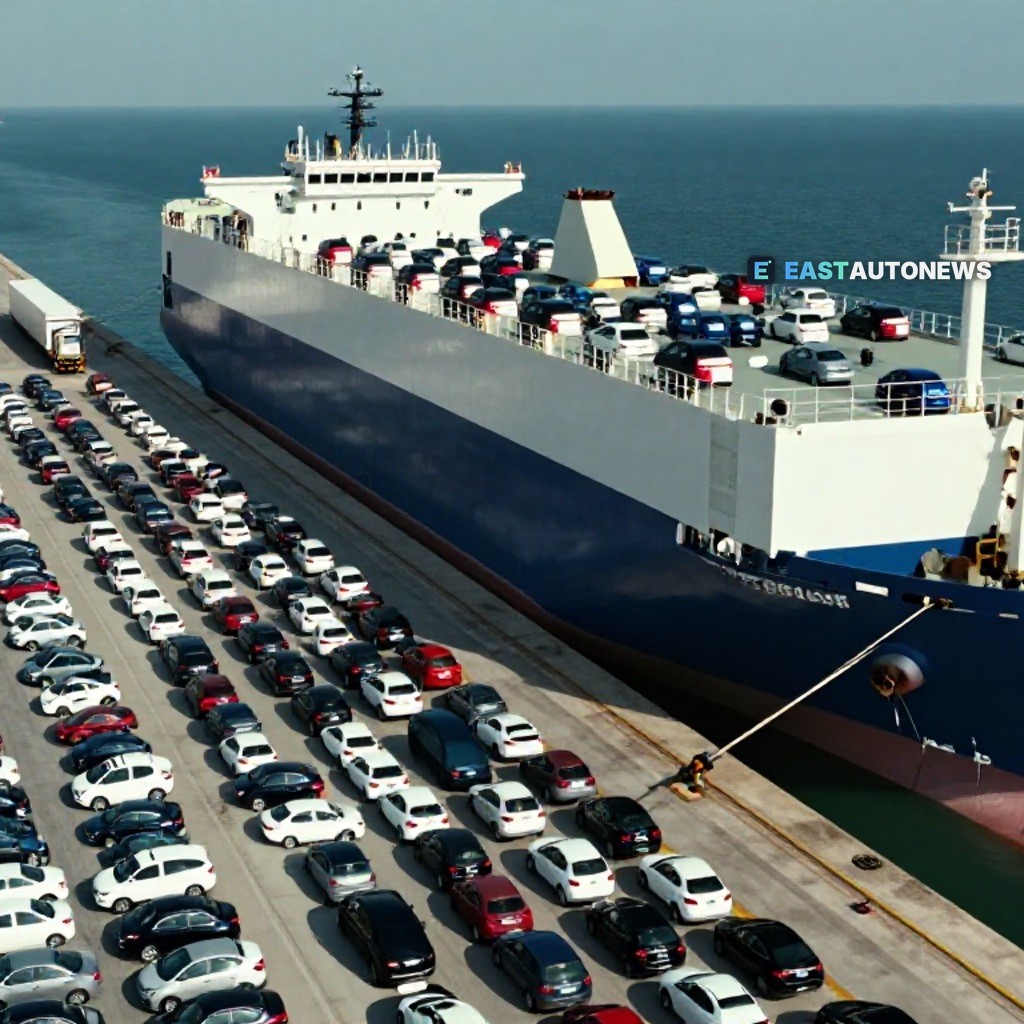
Second, timing and capacity: if feeder services reduce western Black Sea calls or shift to other ports, terminal queues and inland transport demand will migrate — potentially lengthening lead times and squeezing truck and rail capacity on alternative corridors into Hungary, Romania, Slovakia and beyond. Analysts tracking attack patterns note that container and ro‑ro slots at alternate hubs will be pressured if volumes divert.
Third, strategic sourcing choices: continued insecurity may accelerate already‑underway shifts of Asia–Europe vehicle and parts flows toward Adriatic and northern European gateways and stimulate longer‑term modal shifts (more rail or combined rail/sea via Koper or Gdańsk). That outcome is an inference based on current carrier and insurer behaviour documented in industry reporting; it is not a confirmed policy change.
For now, OEMs, tier‑1 suppliers and logistics providers with exposure to Black Sea or Danube supply chains should confirm port slots, check for war‑risk surcharges on bookings and reconfirm overland capacity for any rerouted shipments.
WorldTrader24 B2B vehicle marketplace for dealers →
Sources: Reuters, Forwarder News, Partner‑SHIP Intelligence