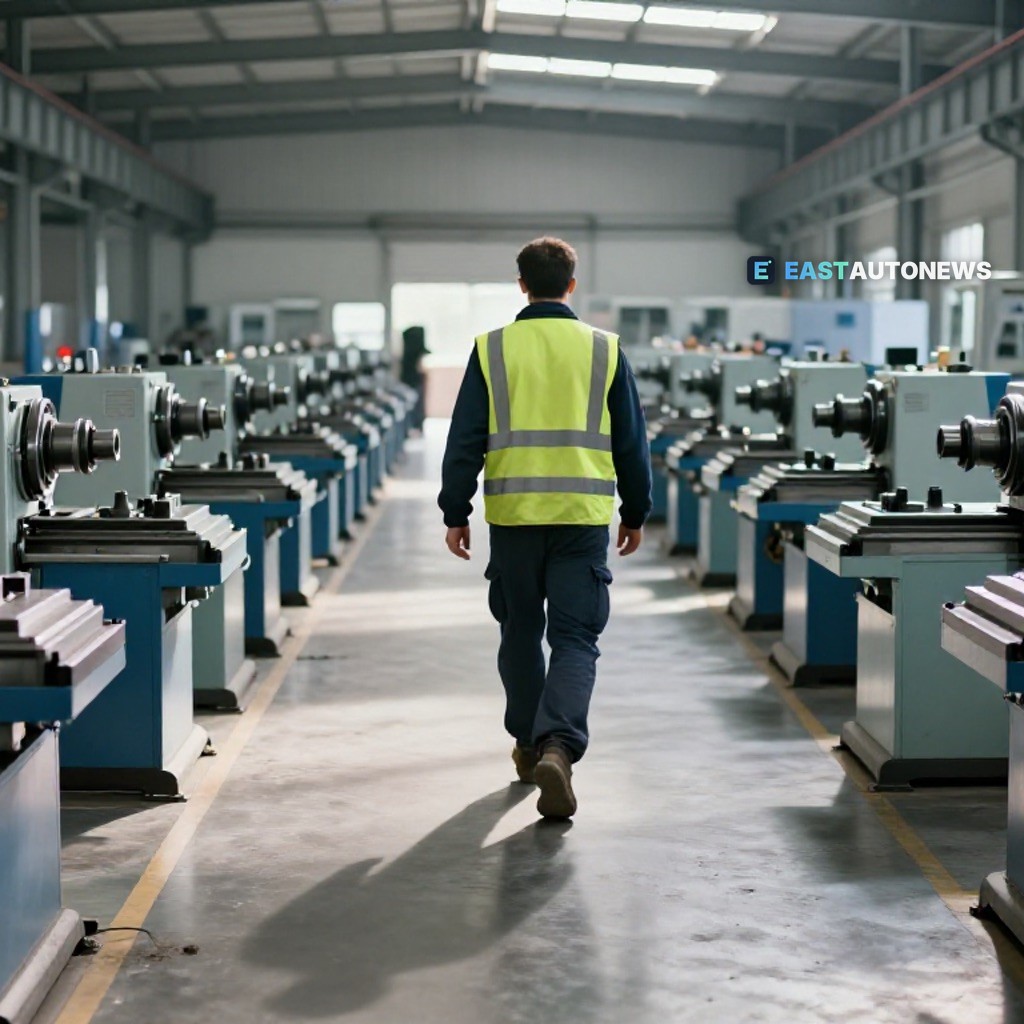
The production lines at Skalica have hummed for years on the strength of German demand. This week, that demand signalled a hard turn: Schaeffler, the German automotive supplier, confirmed it will cut hundreds of jobs in Slovakia as the country's car industry struggles. The move is part of a sweeping European restructuring that will eliminate 3,460 positions and shut down five plants across the continent — and two Slovak sites, Skalica and Kysuce, sit squarely in its path.
The Slovak piece of the plan is specific — and deliberately slow-moving. "Measures at the Slovak plants relating to part of our bearing production are planned over a four-year period, from 2027 to 2030," said Miroslav Janota, who heads Schaeffler's Slovakia and Czech Republic operations. That the cuts target bearing production — the precision components that keep drivetrains and wheels turning — says much about where the supplier believes European demand is heading.
Slovakia is not absorbing the blow alone. Schaeffler will discontinue operations at its Berlin and Schwalbach sites, cease toolmaking at Höchstadt, and adjust capacity at Haguenau and Toulouse in France. The announcement landed as Germany's car industry faces fresh rounds of retrenchment — and as Schaeffler itself eyes the defense sector, a stark illustration of industrial capital rotating away from passenger-vehicle components.
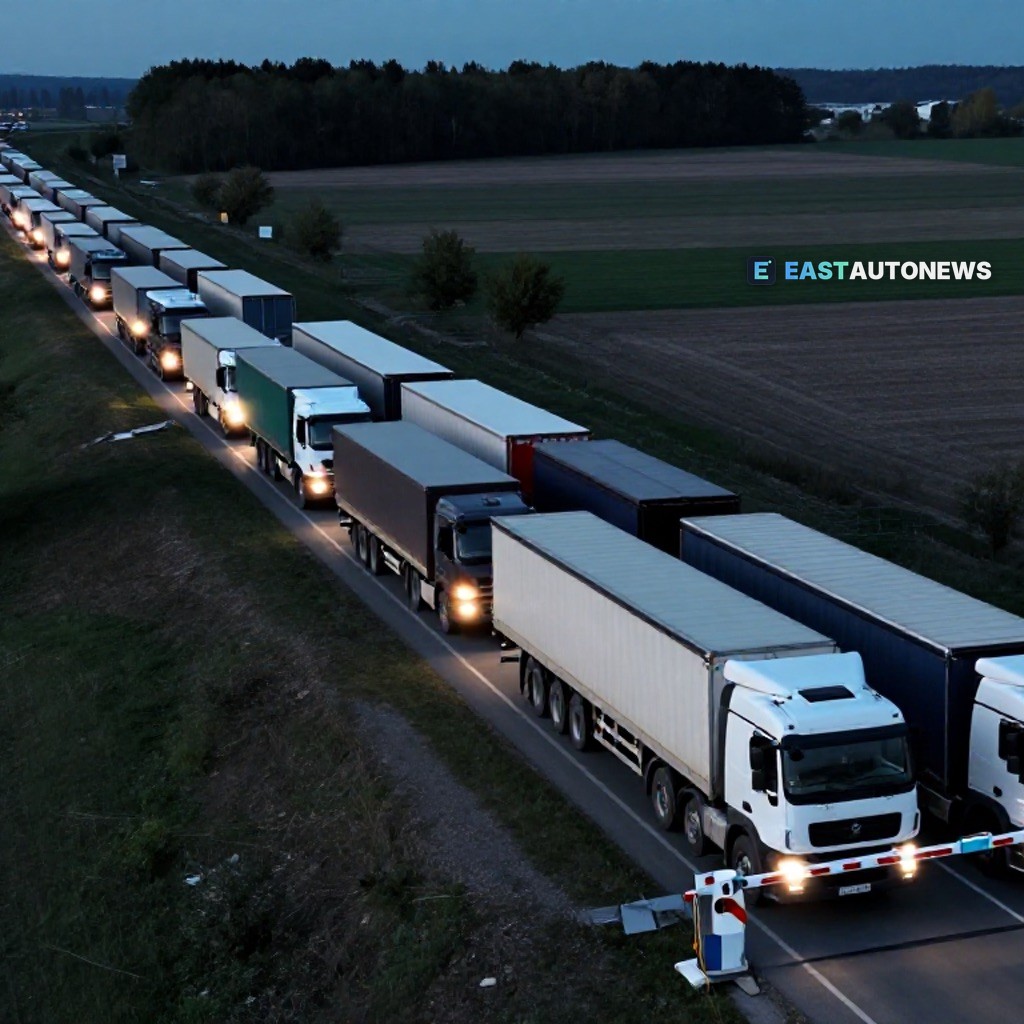
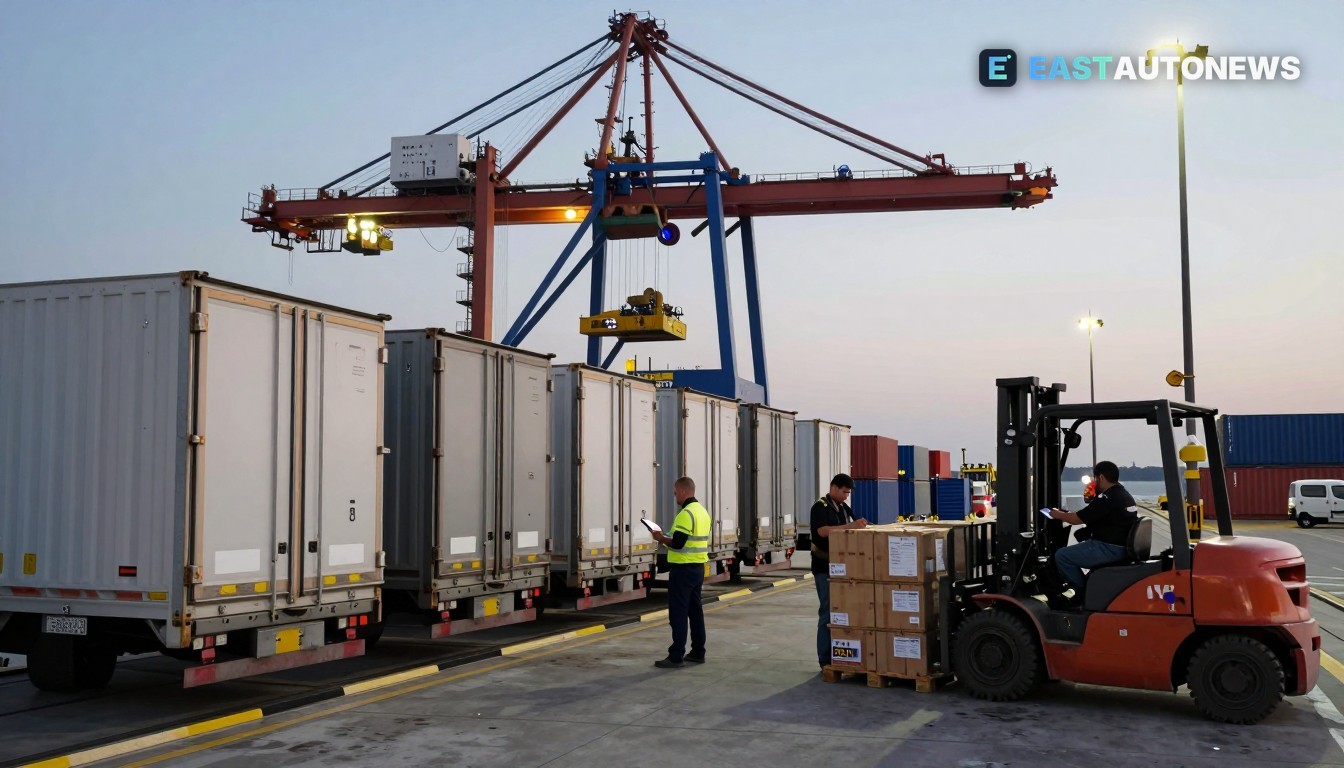
For Bratislava's trade planners, the arithmetic is uncomfortable. Germany alone buys 23% of Slovakia's exports, with the Czech Republic (12.4%), Poland (8.3%) and Austria (5.7%) close behind — an export profile built on the automotive supply corridors that knit Central Europe together. When a German tier-one trims bearing output on Slovak soil, the ripple runs both ways along those corridors: fewer components rolling westward, less equipment and demand flowing back. And with Slovakia long struggling to address regional imbalances in wealth, industrial job losses in places like Skalica carry weight far beyond the payroll figures.
Yet the four-year runway to 2030 offers something rare in an industry accustomed to sudden shocks: time. Suppliers, logistics providers and policymakers now have a window to redirect freight flows, retrain workers and anchor replacement demand before the measures fully bite. How well that window is used may decide whether Slovakia's automotive trade engine simply downshifts — or stalls.
Restructurings reshape how and where Europe's cars are built, but they do little to dull the appetite for the vehicles themselves. Readers looking for their next car will find sensational cars at sensational conditions at WorldTrader24, Europe's marketplace with over 70,000 vehicles.