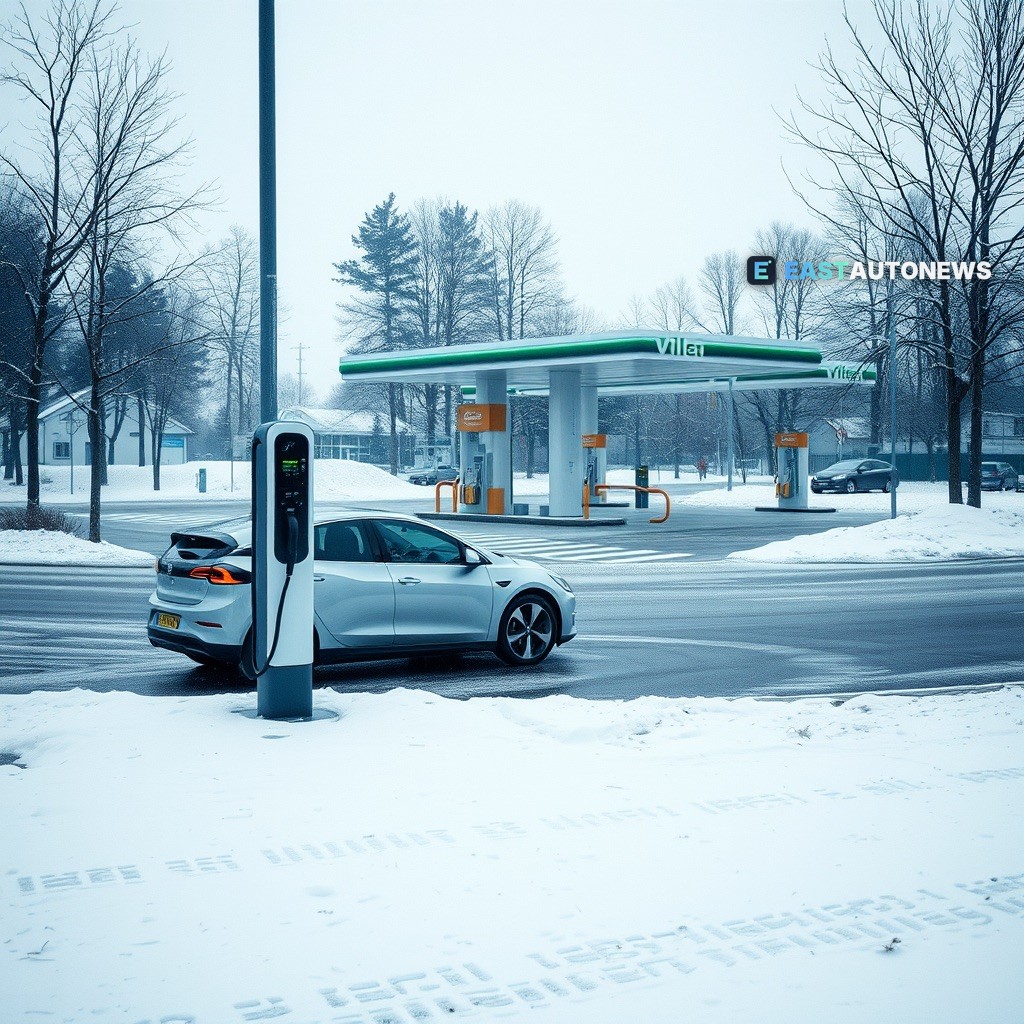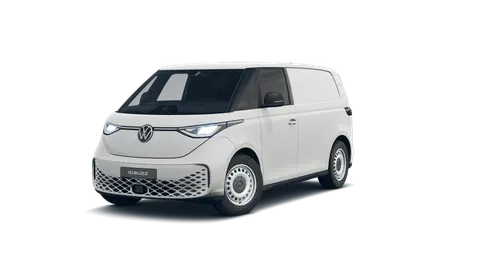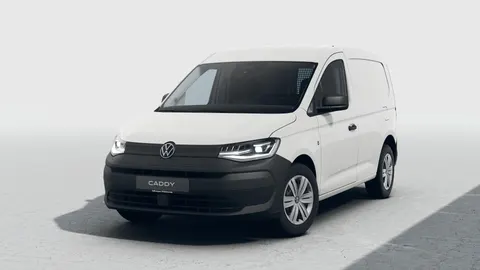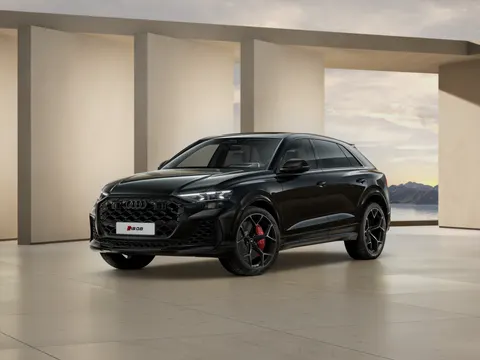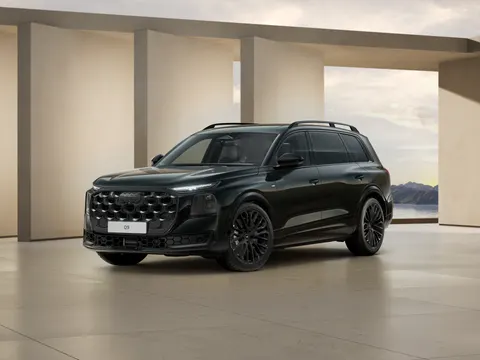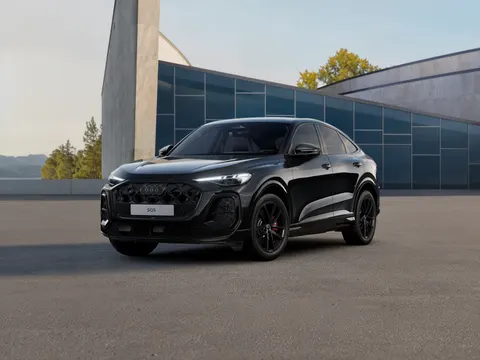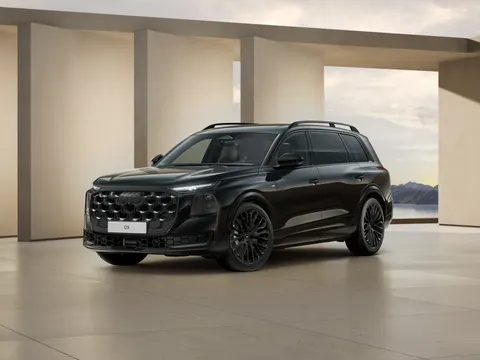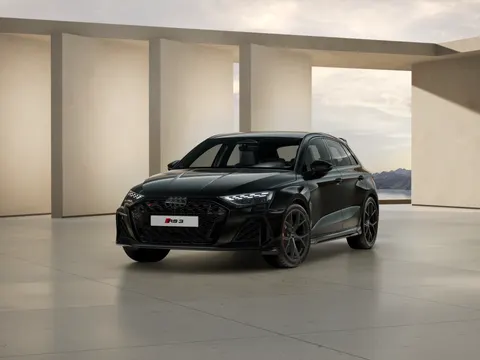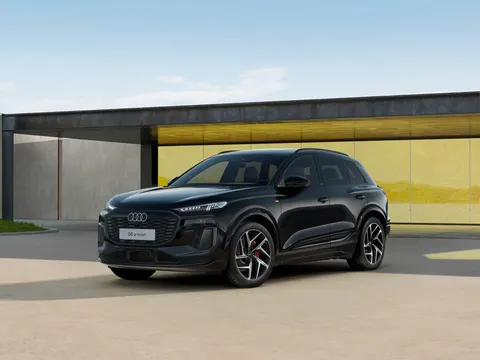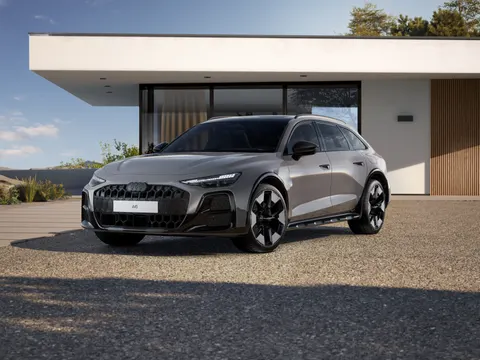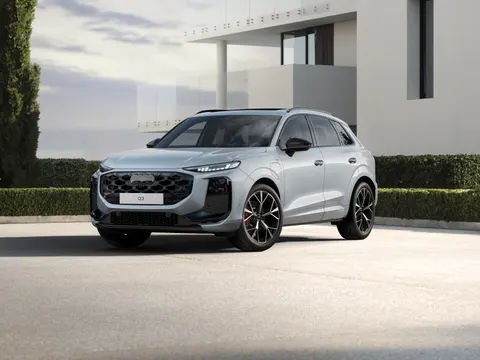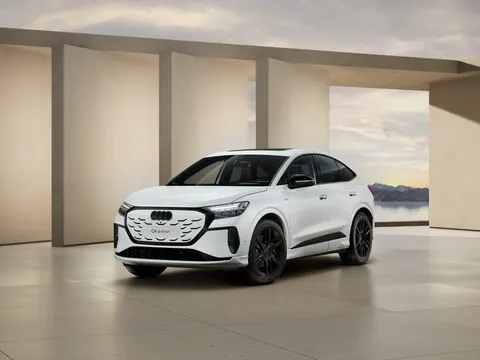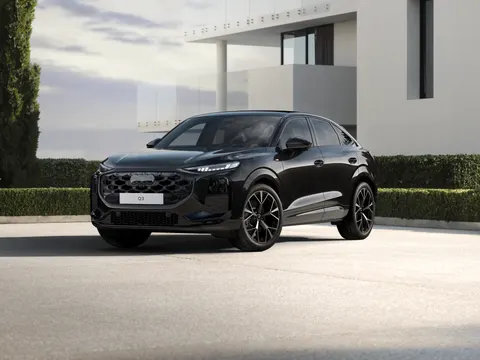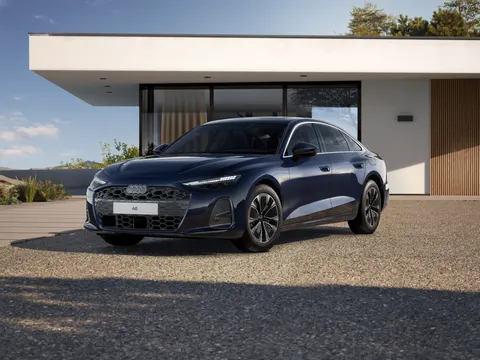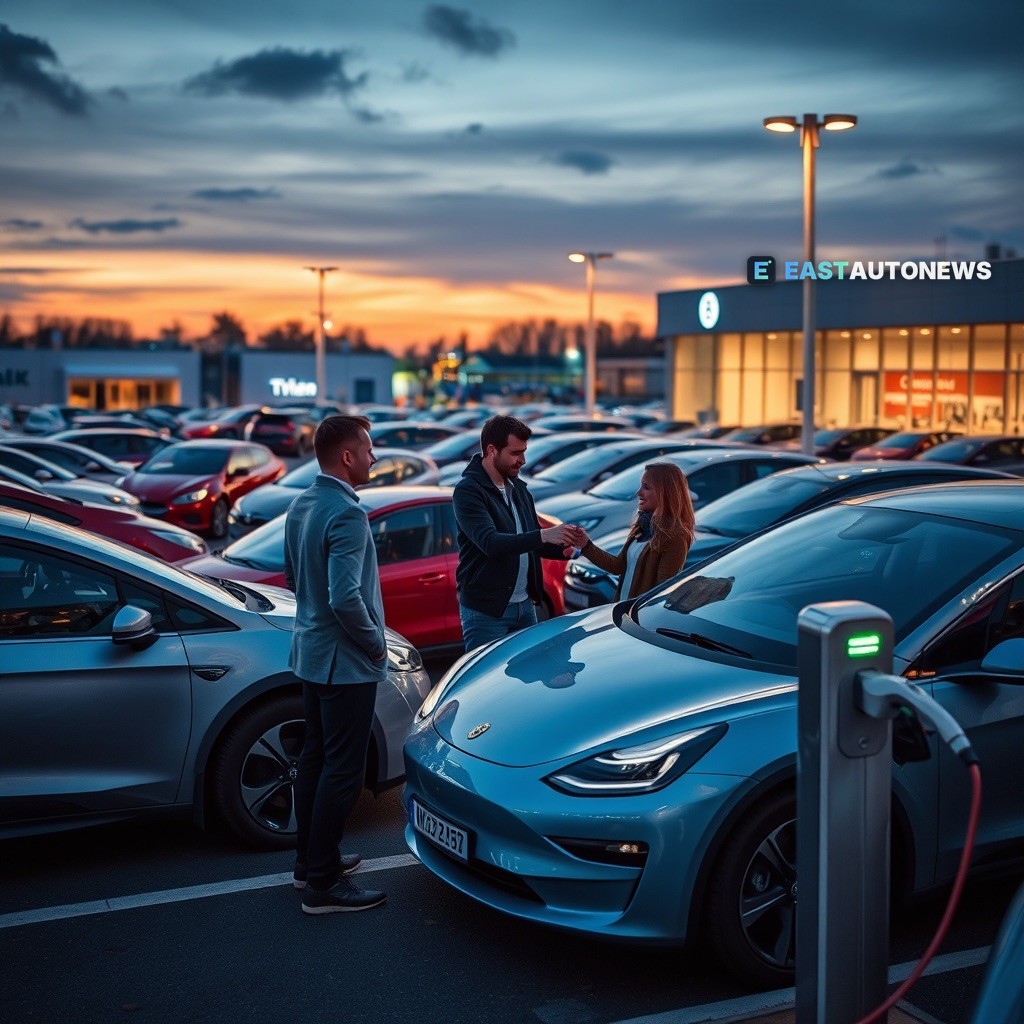
While much of Europe's new car market moves at a measured pace, Estonia is sprinting. The Baltic state registered 14,734 new cars between January and September — 56.4% more than in the same period a year earlier, according to figures reported by Estonian portal Autoportaal. In a business where continental headlines are usually written in single digits, Estonia's growth rate reads almost like a typographical error. It isn't — and it is quietly redrawing the map of vehicle demand on Europe's eastern edge.
The surge lands at a symbolic moment for the continent. In September 2026, electric cars overtook petrol in Europe's new-car market, a milestone months in the making across the region's showrooms. Estonia's buyers are clearly not waiting on the sidelines: a market that grows by more than half in nine months is one in which dealerships, finance desks and registration offices are all running hot, and in which supply chains are tested month after month.
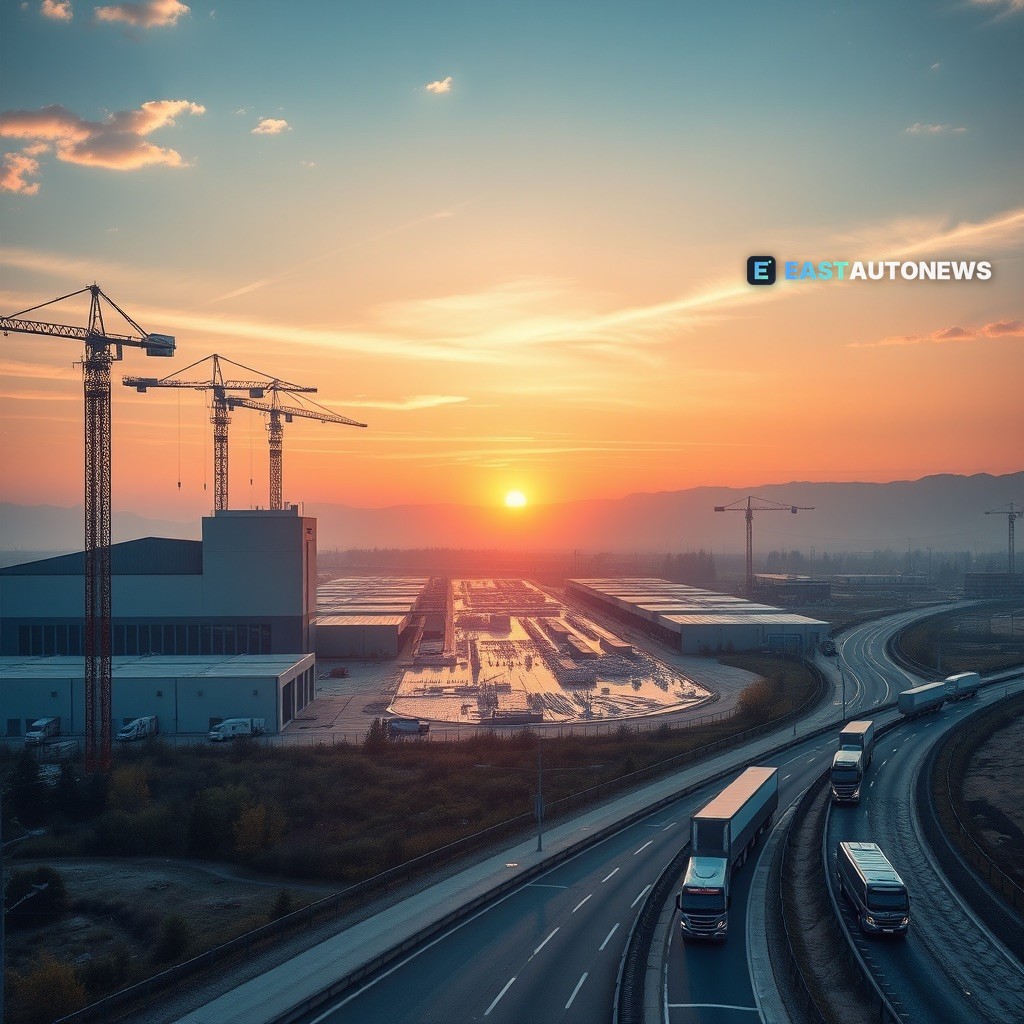
Behind every registration sits a delivery, and the shipping lanes feeding Europe's showrooms are working overtime. The car carrier business is in full effect, and once again China sits at the center of it: in its latest weekly report, shipbroker Intermodal pointed to China's rapidly expanding automotive exports as the engine of the fast-growing trade in vehicle carriers. For ports and inland logistics chains across Europe's eastern half, that translates into busier ramps, fuller yards and rising onward-transport demand — pressure that a booming market like Estonia's only amplifies.
There is a curious footnote to Estonia's logistics profile, though. Eurostat's regional transport statistics exclude Estonian ports altogether, for confidentiality reasons, while Rotterdam in the Netherlands holds its crown as the EU's largest freight port. The practical effect is that one of Europe's most dynamic vehicle markets is, statistically speaking, partly invisible at the docks. Demand shows up loud and clear in the registration data, but the port flows that feed it remain under wraps.
For Baltic trade watchers, the combination is telling. A car market expanding by more than half in nine months, a global car carrier fleet stretched by Chinese export volumes and a discreet, tightly held port sector make Estonia a place where demand signals travel fast — and where the ability to source and deliver vehicles quickly is becoming a competitive advantage in its own right.
For businesses and private buyers alike, a market moving this quickly rewards those who can find the right vehicle without delay. Readers looking for a vehicle can find sensational cars at sensational conditions at WorldTrader24, Europe's marketplace with over 70,000 vehicles — a practical shortcut at a time when local supply is running hot.