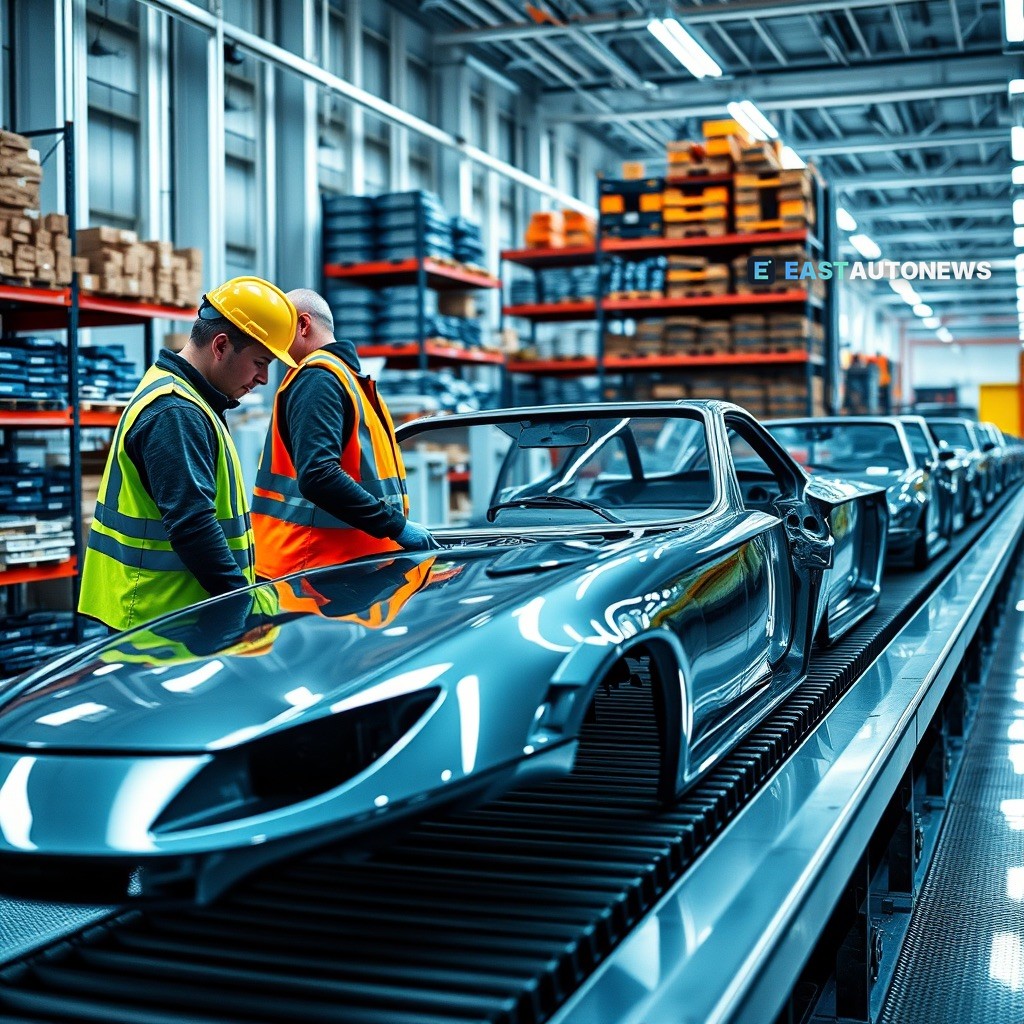
In Slovakia, Volvo is building an electric vehicle factory designed to produce up to 250,000 cars a year — and the city beside the site, as Reuters reports, is preparing for a new industrial chapter. The project, led by the Geely-owned Swedish marque, signals a broader Chinese investment push into European carmaking. Yet its fortunes may be decided less on the building site than in Berlin and Paris, where a 'Made in Europe' agenda is quietly rewriting the rules of the supplier game.
That agenda, championed by Germany and France, is already unnerving global auto suppliers by raising costs and competitiveness concerns across the industry. Its mechanics are blunt: cars imported from Japan would not qualify for EU subsidies, while models built in France, Portugal and Eastern Europe would benefit only if enough of their parts come from Europe. European content, in other words, is fast becoming the price of admission.
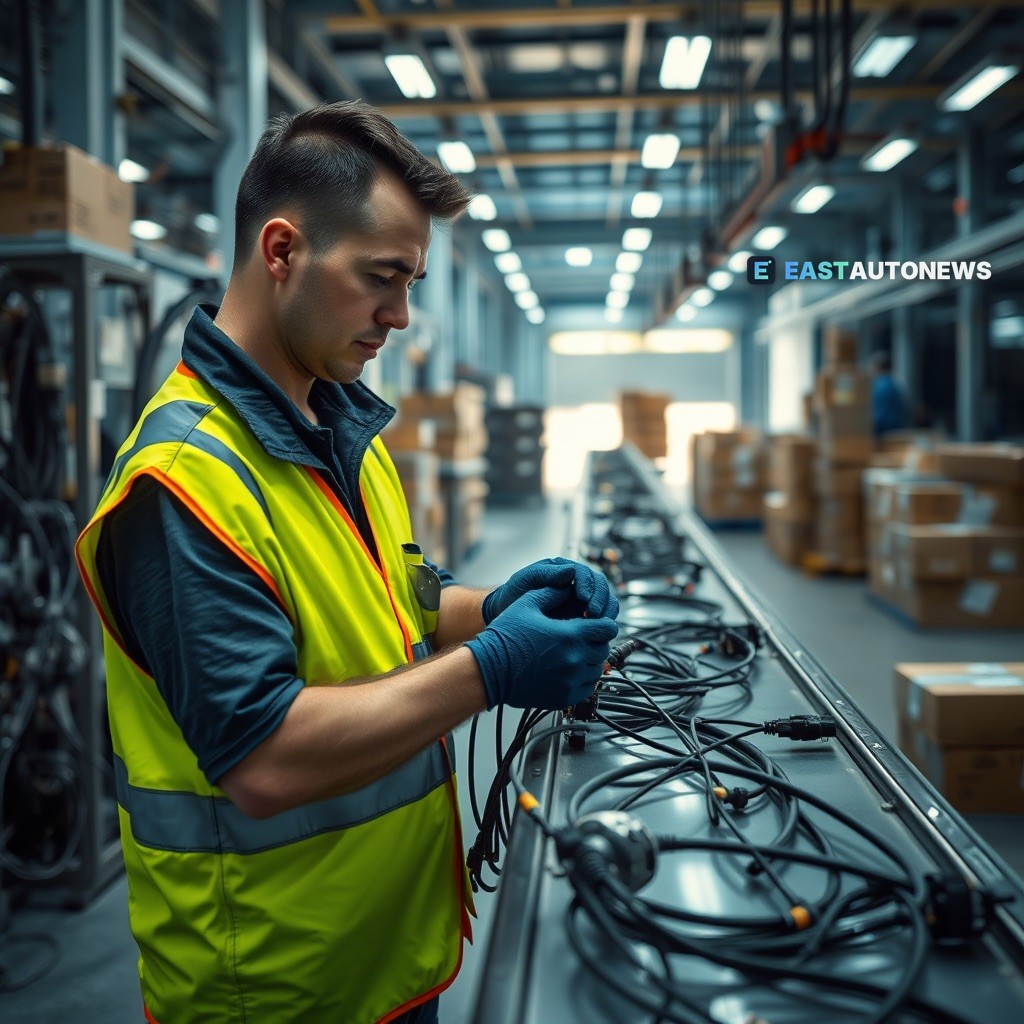
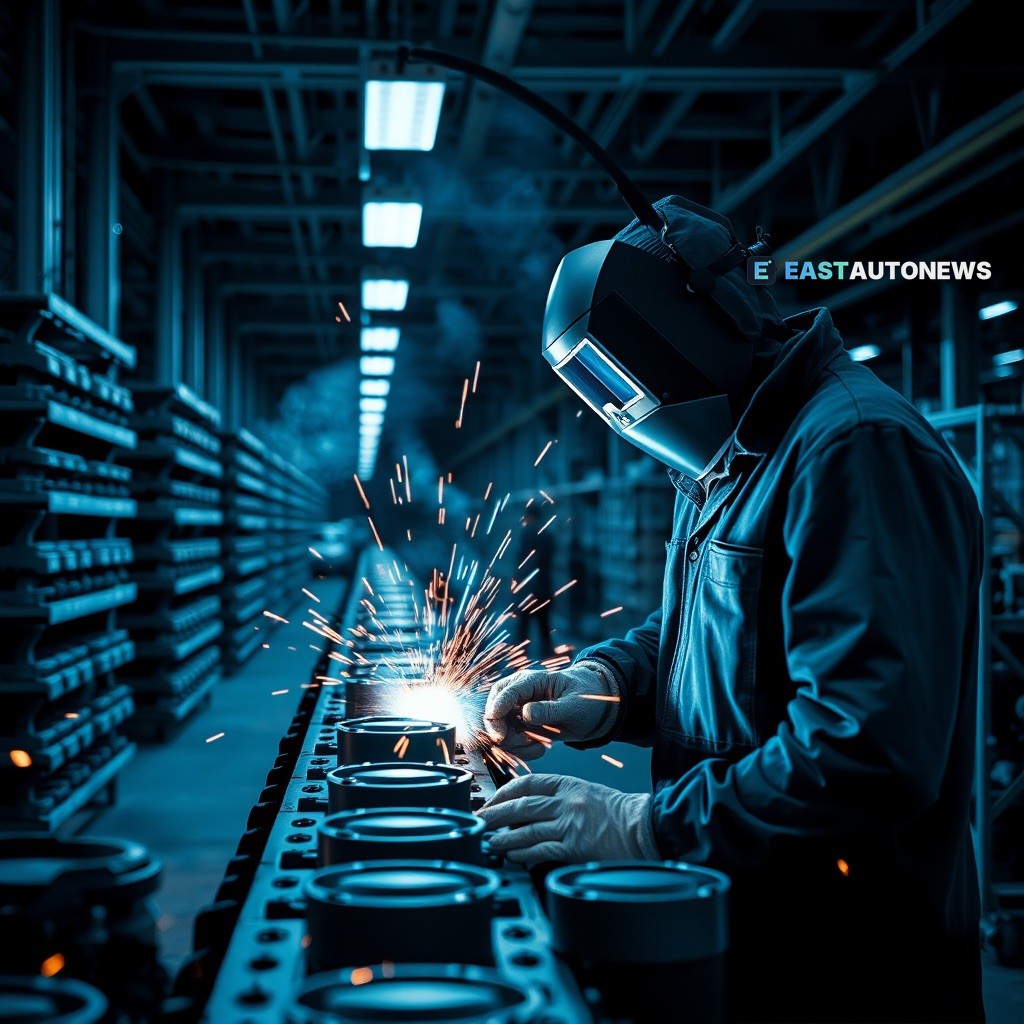
For Slovakia, that condition cuts both ways. The country's supplier bench runs deep — among its top 50 automotive companies sit names such as Tesla Stropkov, a.s., a Slovak joint-stock automotive company with a famously familiar ring, and Autotechna, which supplies high-quality spare parts and accessories for cars and motorcycles from world-famous brands. If European parts become the gateway to subsidies, firms like these stop being cost lines on a balance sheet and start being strategic assets.
Volvo's plant sharpens the equation. A factory built for up to 250,000 electric cars a year demands a dense supply chain, and a Chinese-owned carmaker producing in Eastern Europe has every incentive to source locally to clear the new thresholds. Suppliers already anchored in the region are holding strong cards; those relying on parts shipped from Asia face the costly prospect of retooling logistics, contracts and production lines.
The stakes reach far beyond a single site. The 'Made in Europe' push could redraw supplier maps across Eastern Europe, rewarding countries that can prove their parts are genuinely European — and Slovakia, with Chinese capital arriving on its soil and a homegrown parts industry ready to plug in, sits squarely at the crossroads. Whether the rules become a springboard or a squeeze for Slovak suppliers will be one of the region's defining industrial stories.
However the rulebook settles, the cars rolling out of Europe's factories — Slovak-built EVs among them — still have to find buyers. Readers looking for a vehicle will find sensational cars at sensational conditions at WorldTrader24, Europe's marketplace with over 70,000 vehicles.