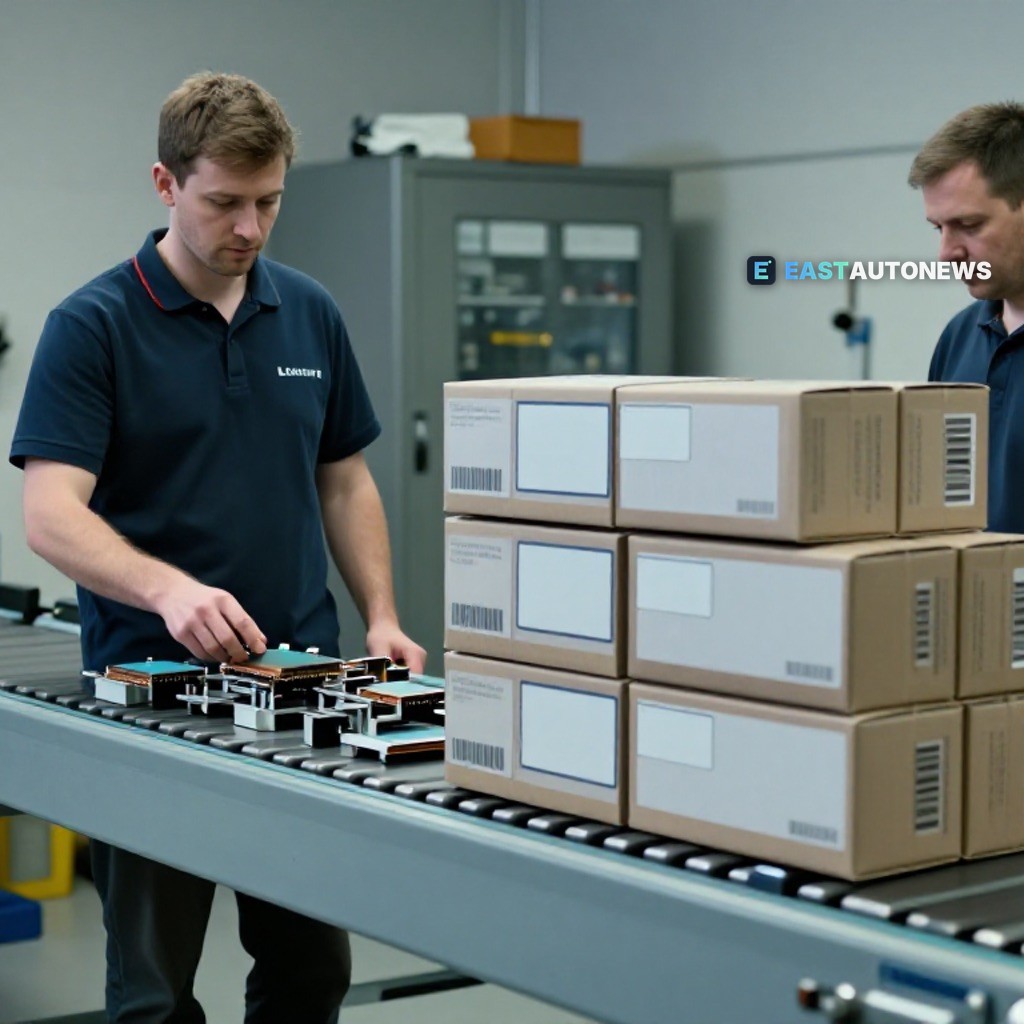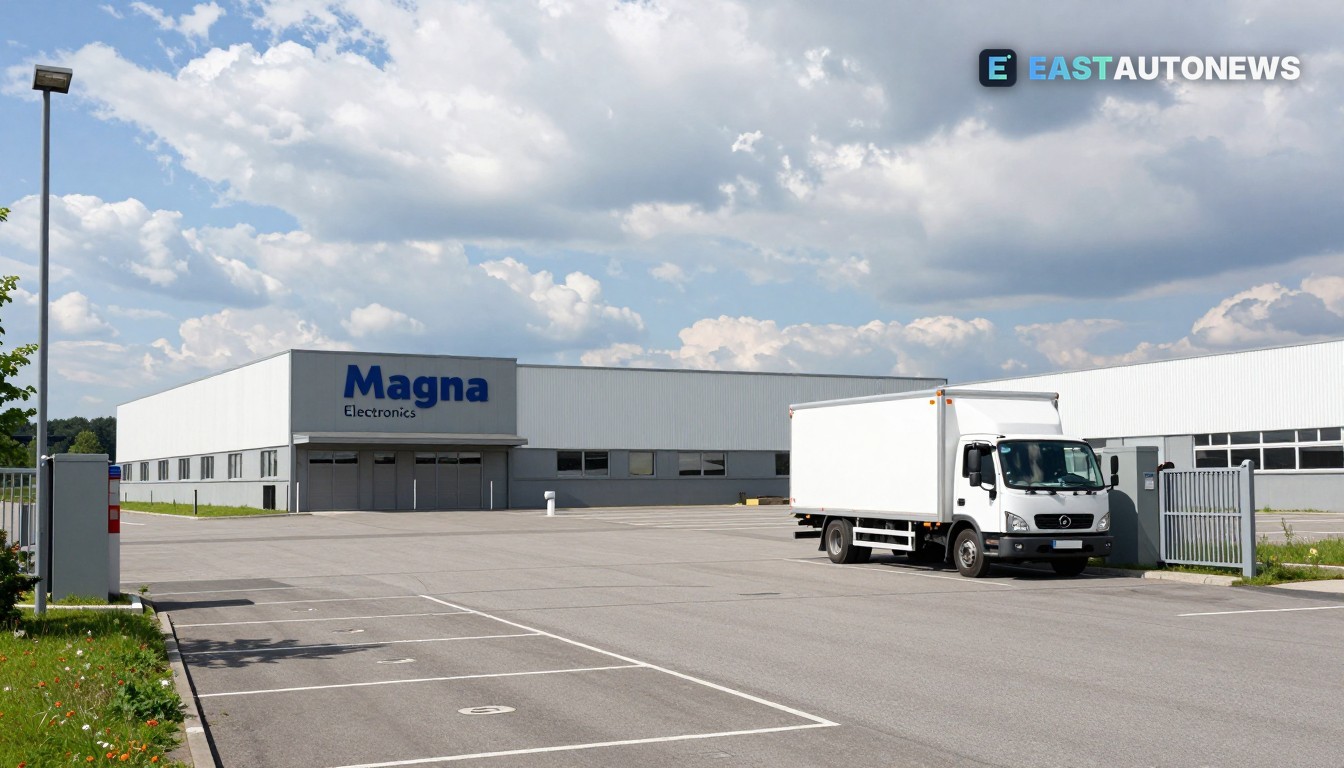
Magna International has told staff it will close its electronics plant in Waldshut‑Tiengen, Baden‑Württemberg, with operations scheduled to end by the close of the first quarter of 2027. The site, which makes electronic components including camera and radar hardware for driver‑assistance systems, employs 255 people, the company said in local reporting of the dpa release on 4 November 2026.
What happened
Local and national outlets reported Magna informed employees on 4 November that, following “a comprehensive review of the long‑term viability of the site”, the company would wind down production at Waldshut‑Tiengen and close the facility by the end of March 2027. Regional broadcaster SWR quoted Magna’s European communications director and said the decision followed an internal assessment of the site’s future in the changing automotive market. The announcement affects 255 staff at the plant.
Reaction was immediate. IG Metall’s local representative called the move a “massive breach of trust” and warned of tough consequences for the workforce; Waldshut‑Tiengen’s mayor described the news as a “gigantic blow” for the region, according to SWR. Magna has not published a detailed public timetable for redeployment, severance or potential transfers to other sites.
Regional reactions and context
German trade press and regional papers noted this closure is one of several recent retrenchments at Magna’s German electronics and components sites during 2026. Coverage says management cited shifting industry conditions as the reason, similar to other plant shutdowns announced by suppliers this year. Local politicians and unions have demanded talks with the company to explore alternatives and social‑plan measures.
What this means for the market
Although the plant sits in southwestern Germany rather than in Central and Eastern Europe, the closure matters to CEE car production because Waldshut‑Tiengen supplies camera and radar modules used across European vehicle programmes. Short‑notice reductions in volume or capability at a Tier‑1/Tier‑2 electronics site can force OEMs and nearby suppliers to rework sourcing plans, shift production steps, or accelerate qualifying of alternate suppliers — actions that add cost and delay. For vehicle plants and supplier clusters in Czechia, Slovakia, Hungary, Poland and Romania — which rely on tightly scheduled inbound parts flows from Europe — the sudden removal of a component source raises logistics and qualification risks.
Prime concerns for CEE supply chains will be continuity of camera and radar supply, certification lead times for replacement parts, and whether neighbouring Magna sites or rival electronics suppliers can absorb extra volume without disrupting current programmes. Automakers increasingly demand closely harmonised software‑hardware integration for ADAS sensors; moving supply between vendors or sites is therefore more complex and slower than for purely mechanical parts.
For regional policymakers, the announcement underscores two trends: continued consolidation among traditional suppliers facing an electrified, software‑centric vehicle market; and the importance for CEE governments and clusters to deepen local supplier capacity for electronics and sensor systems if they are to avoid single‑source risks. Unions and local officials have already called for consultations with Magna on social protections for staff and potential industrial reuse of the site.
Magna supplier impact — B2B vehicle listings on WorldTrader24 →
Sources: SWR, dpa / Landtag‑BW, Automobil‑Produktion