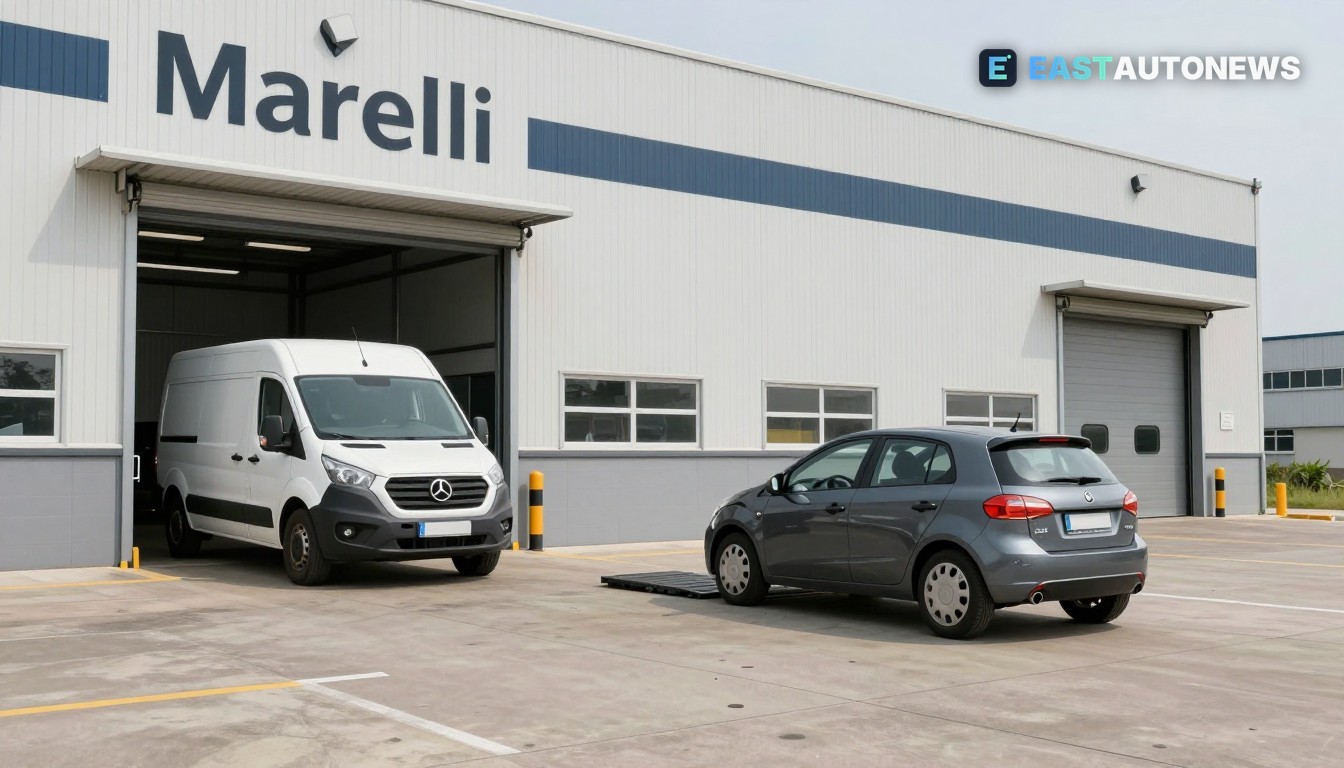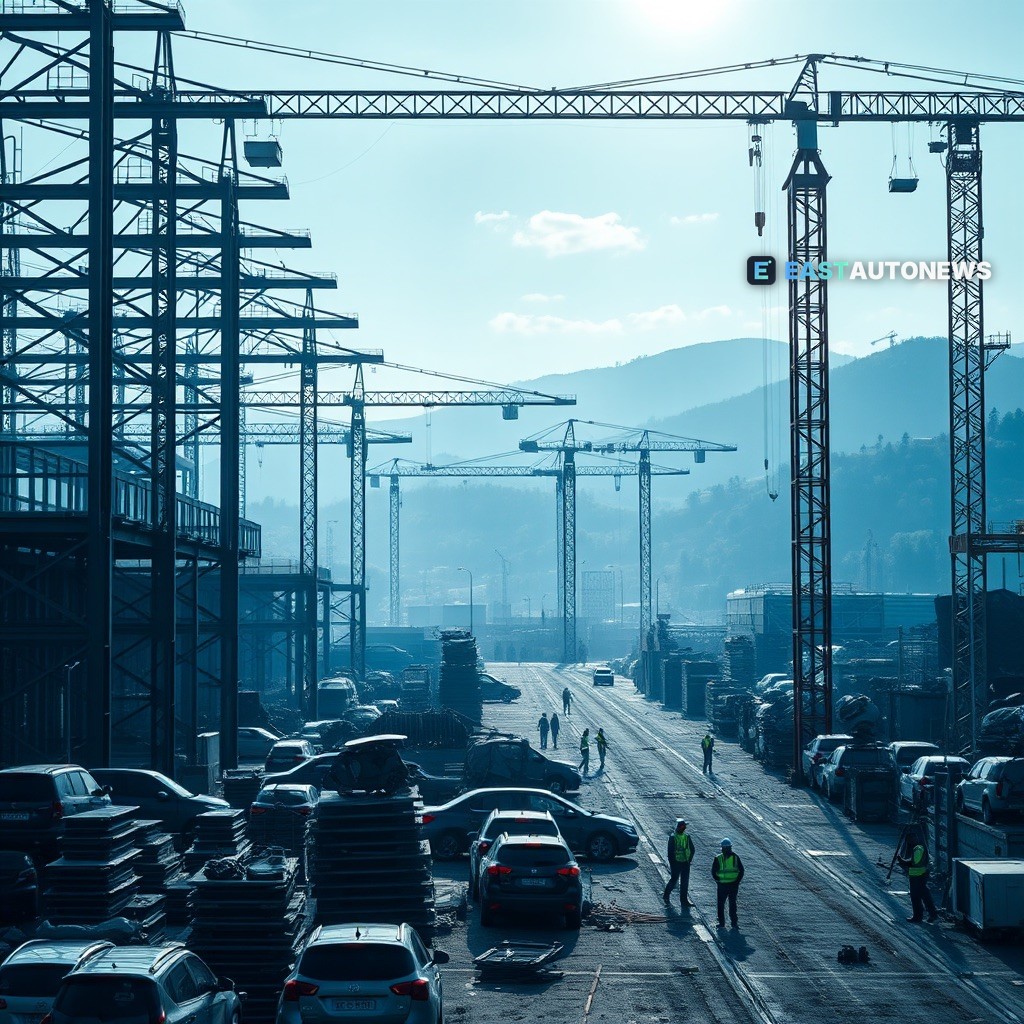
The quiet Bulgarian town of Lovech is about to become one of the most closely watched addresses in the European car industry. On Oct. 27, Great Wall Motor (GWM) confirmed plans for a production facility there with an annual capacity of 50,000 vehicles, with output scheduled to start in the first quarter of 2027. The first product off the line will be a compact SUV — and with it, a significant Chinese manufacturing bet on EU soil takes shape in a market that has rarely fronted Europe's automotive headlines.
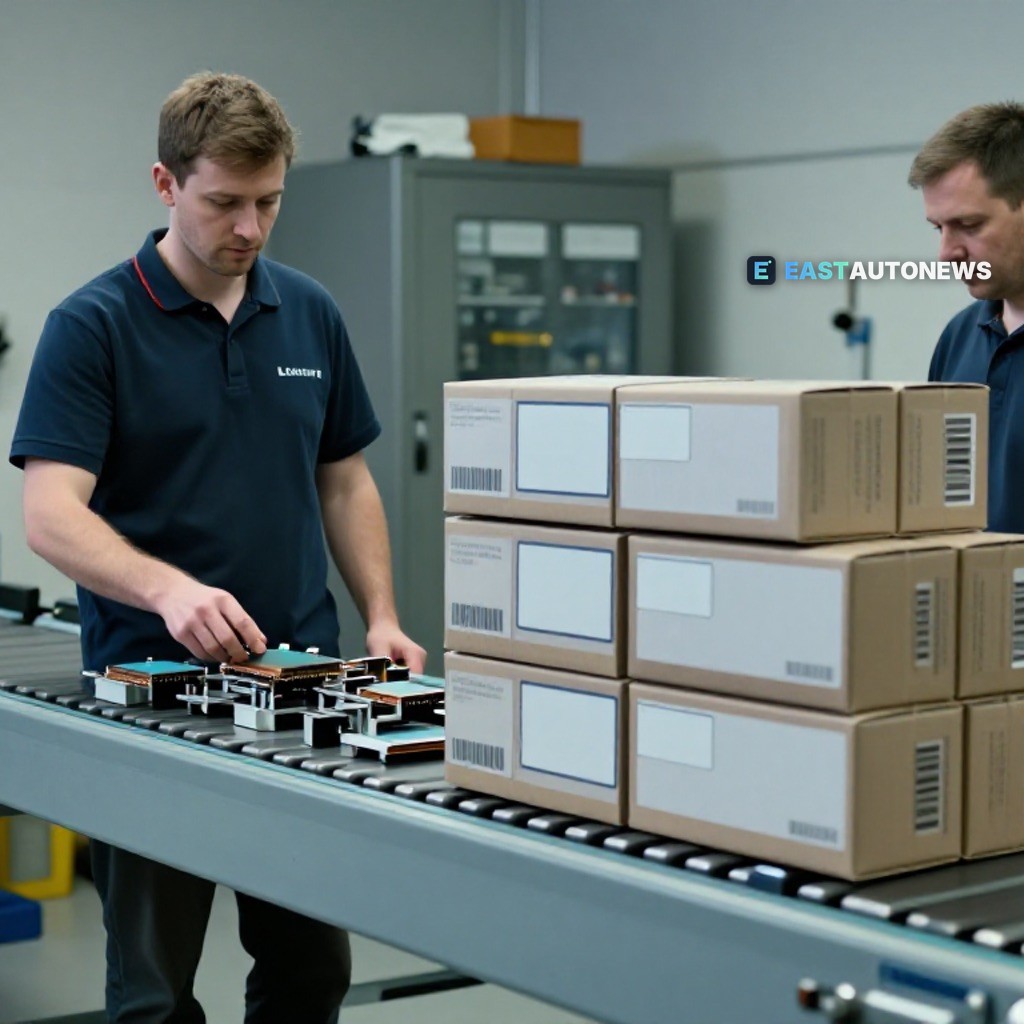
What sets the Lovech project apart from a run-of-the-mill assembly operation is its supply-chain architecture. GWM says it plans to develop a European industrial park that integrates vehicle and component production — a structure that could pull component makers, toolmakers and logistics providers into Bulgaria's orbit. The automaker also intends to expand its product lineup according to market demand, with at least 10 new models flagged in its plans, which suggests the site's sourcing needs will grow well beyond whatever the first SUV requires.
The geography is deliberate. GWM says the Bulgarian base will link up with its distribution networks in markets including Italy, Spain and the Netherlands, while serving as a base for further localization of its European supply chain. For suppliers across Central and Eastern Europe, that last phrase is the one to underline: localization at this scale typically means regional sourcing contracts, and a Chinese OEM embedding component production inside the EU is a new kind of customer for the region's tier industry.
The timing is hard to miss. Under the EU's emerging "Made in Europe" framework, cars imported from Japan would not qualify for EU subsidies, while models built in France, Portugal and Eastern Europe would benefit only if enough of their parts come from Europe. GWM's playbook — build inside the EU, source inside the EU — reads like a direct answer to that rulebook, even as analysts warn that Chinese production on European soil could open an internal divide within the bloc over how far to welcome it. Global suppliers, for their part, have already raised concerns that the local-content push brings costs and competitiveness questions of its own.
For Bulgaria, the stakes are clear: a chance to move up the value chain toward integrated vehicle and component manufacturing, anchored by a partner with pan-European distribution reach. For the wider CEE supplier base, Lovech is a live test of whether Chinese OEMs will localize deeply — and quickly — enough to satisfy Brussels while still delivering on cost. The first quarter of 2027, when the initial SUVs are due to roll off the line, is when the theory meets the production line.
Whether a Lovech-built SUV will one day top your shortlist remains to be seen — but the search for your next car need not wait for it. Readers looking for a vehicle can find sensational cars at sensational conditions at WorldTrader24, Europe's marketplace with over 70,000 vehicles.