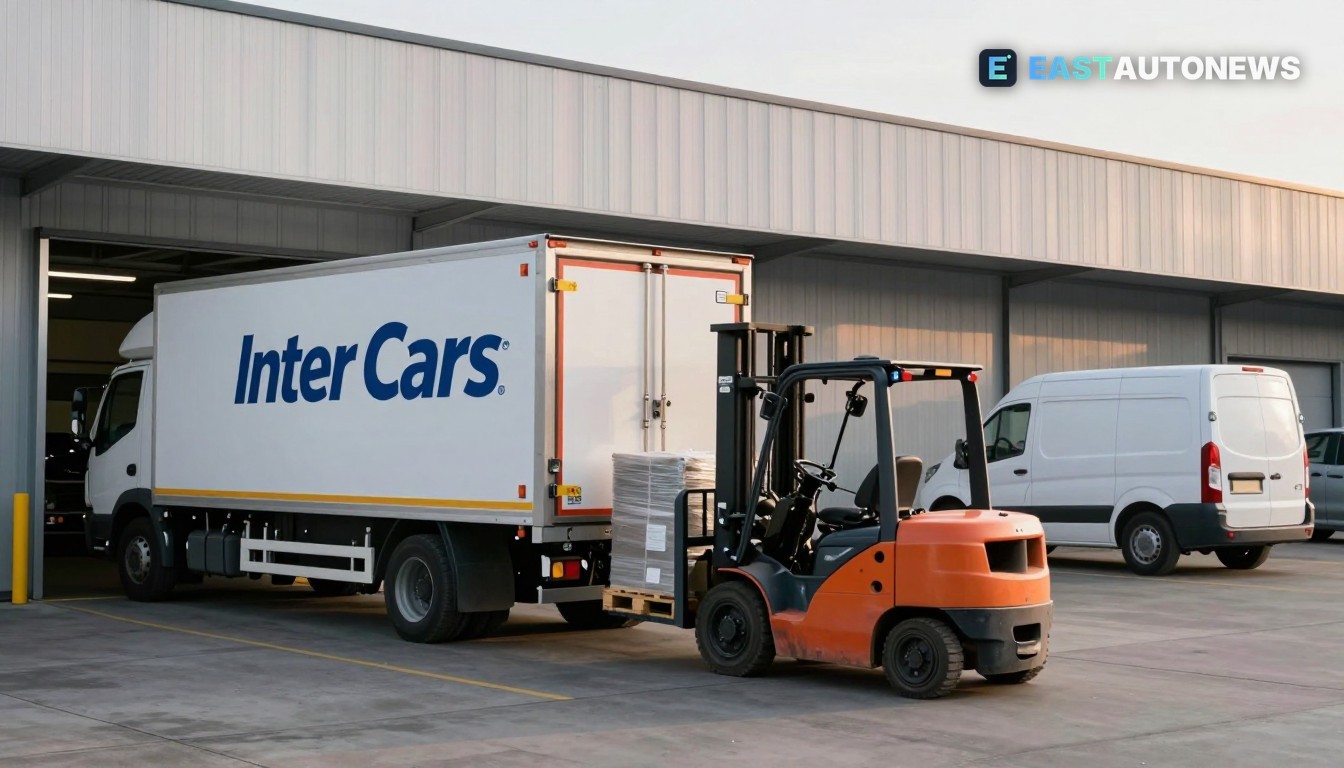
Inter Cars, the region’s largest automotive parts distributor, used its Nov. 18, 2026 results presentation to underline faster-than‑market growth across Central and Eastern Europe and into Western Europe. The group reported nine‑month sales of PLN 17.7 billion (year‑to‑date through September 2026), a 14% increase on the prior year, and said third‑quarter growth accelerated to 16.2%. Gross margin for the period rose to 30.3% from 29.6%.
Operational highlights and the quarter’s caveat
Management told investors that foreign distribution sales reached PLN 10.2 billion and grew by more than 20% year‑on‑year, driven by 37 new branches opened outside Poland in the last 12 months. Inter Cars noted a continued shift from direct exports to locally established distribution companies in markets such as Germany and Austria. The company also disclosed a PLN 47 million accounting adjustment in Greece (PLN 41m relating to incorrect capitalisation of costs and PLN 6m to bonuses) — an item management said was isolated and booked in Q3 2026.
What this means for the market
Inter Cars’ results matter for manufacturers and Tier‑1 suppliers in Central and Eastern Europe because the group controls a dense aftermarket distribution network across the region. Strong growth in foreign distribution — and investment in a large new logistics hub at Stęszew (PLN 685m total project capex, c. PLN 445m spent through September) — shows the company is prioritising local inventory and faster service, which can shorten lead times for independent workshops and reduce reliance on direct imports. That dynamic reinforces local sourcing opportunities for CEE parts makers and logistics suppliers.
Inter Cars’ management argued the underlying demand drivers are the size and age of the European car parc, which supports aftermarket volumes even as new‑car powertrains change. As VP Krzysztof Soszyński put it on the Nov. 18 call: “for Inter Cars, however, the size and age of the total car parc and the pace at which it is replaced matter more than the current mix of new registrations.” That framing suggests the company expects steady parts demand in CEE even as electrification gains pace in new registrations.
For suppliers, the message is twofold: distributors with scale and local presence can capture more share from independent workshops and fleets, and investment in regional logistics (warehouses, branch networks, local sales teams) is becoming a competitive requirement. Inter Cars’ improved margins and falling net‑debt/EBITDA (1.97x at end‑September) indicate it has the balance‑sheet capacity to keep funding that roll‑out.
WorldTrader24 B2B vehicle marketplace for dealers and wholesalers →
Sources: Investing.com, StockAnalysis (Inter Cars Q3 2026 transcript)