Romania’s new government has begun drafting a support package aimed at shoring up the country’s auto industry, with Dacia and the Ford‑Otosan‑run Craiova plant explicitly named as priorities, according to reporting by BalkansEasy. So far the material seen by the outlet is a draft: no concrete measures, budget figures or implementation timetable have been published.
What the government has said — and where it was said
Economy Minister Daniel Zamfir made a public appeal in early November for carmakers to consult Bucharest before taking any decisions to relocate production. He raised the issue at the Automotive Forum & Awards on 10 November, saying the government regards the sector as strategic and wants to be involved early in any potential moves affecting Renault’s Dacia operations or the Craiova site. The minister also told the forum that support work is under way and that the government is open to discussing measures with manufacturers and suppliers.
The draft reported by BalkansEasy does not detail instruments or sums. The outlet says what is known so far is limited to the existence of preparatory work on a package aimed at preserving production and supporting the domestic supplier base; it warns the initiative remains at an early stage until the government publishes official documents.
Why suppliers matter
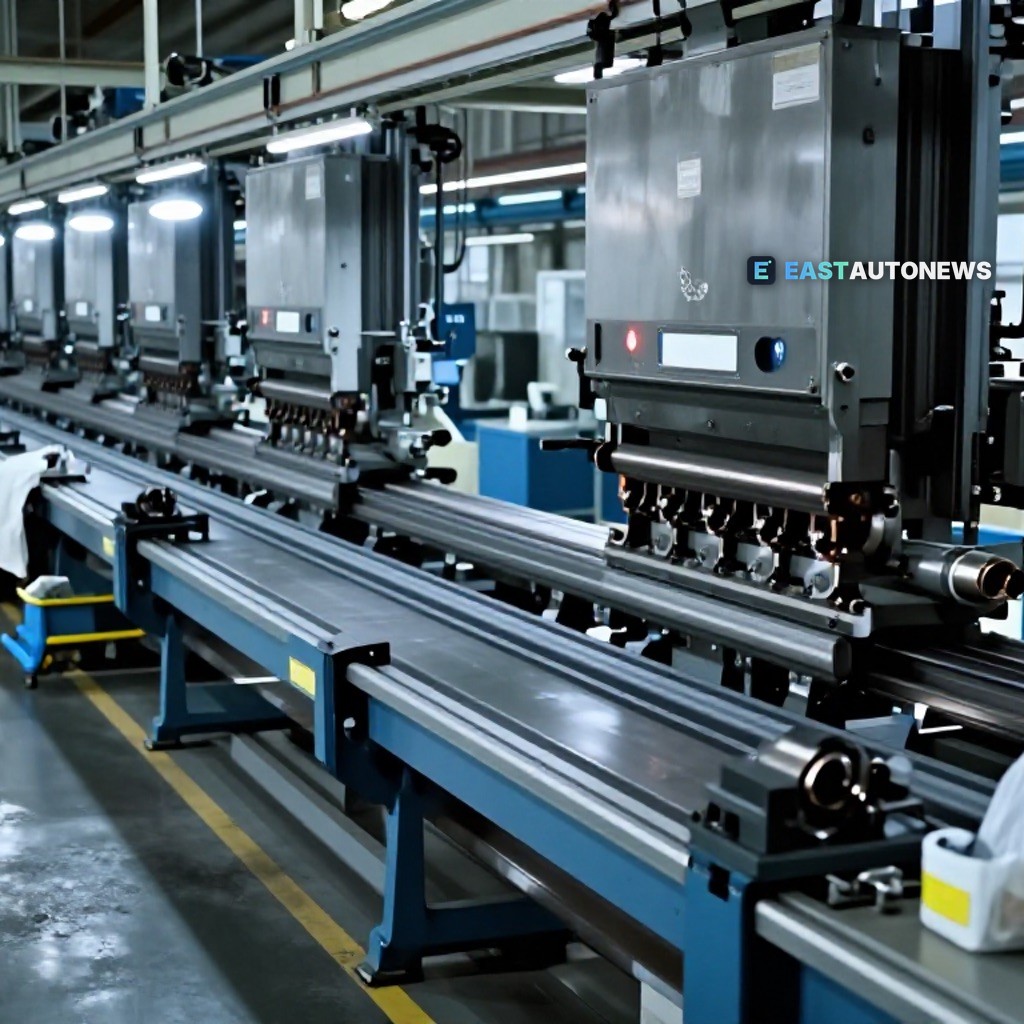
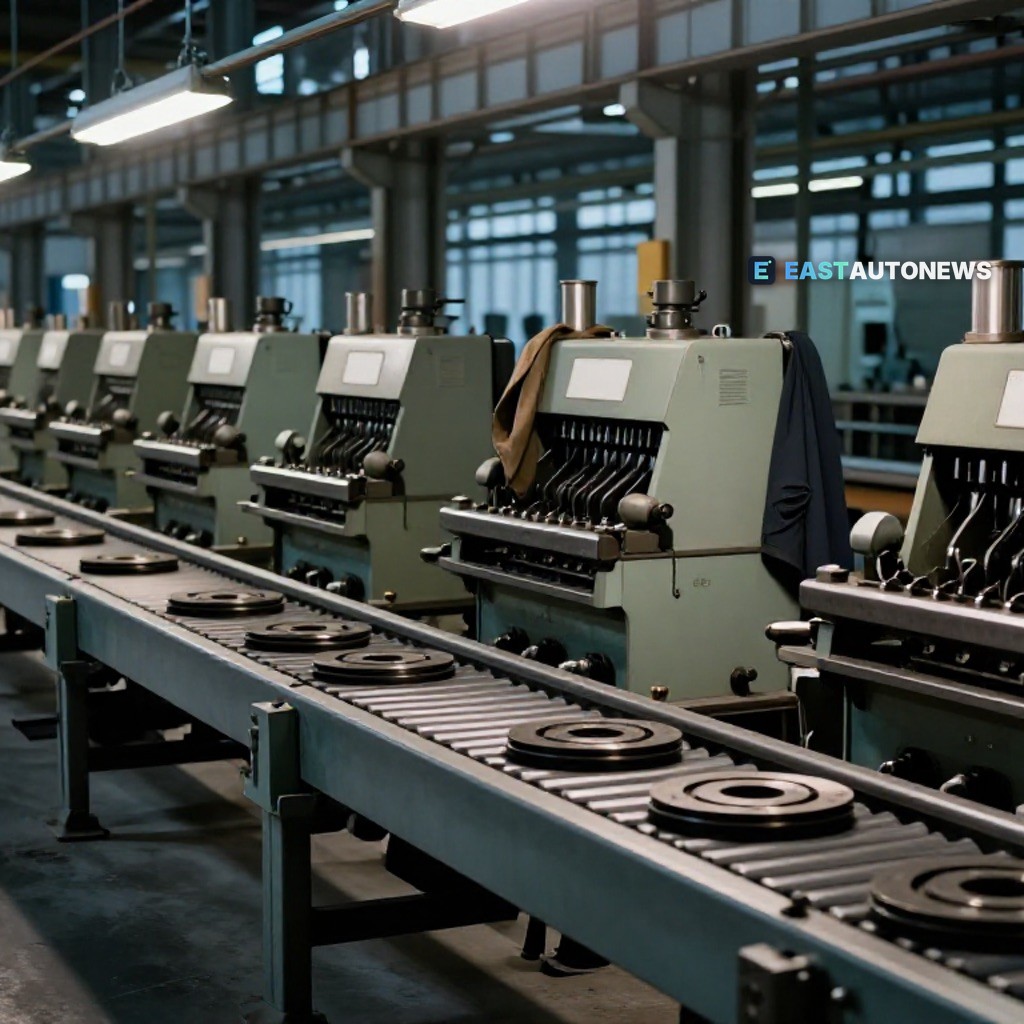
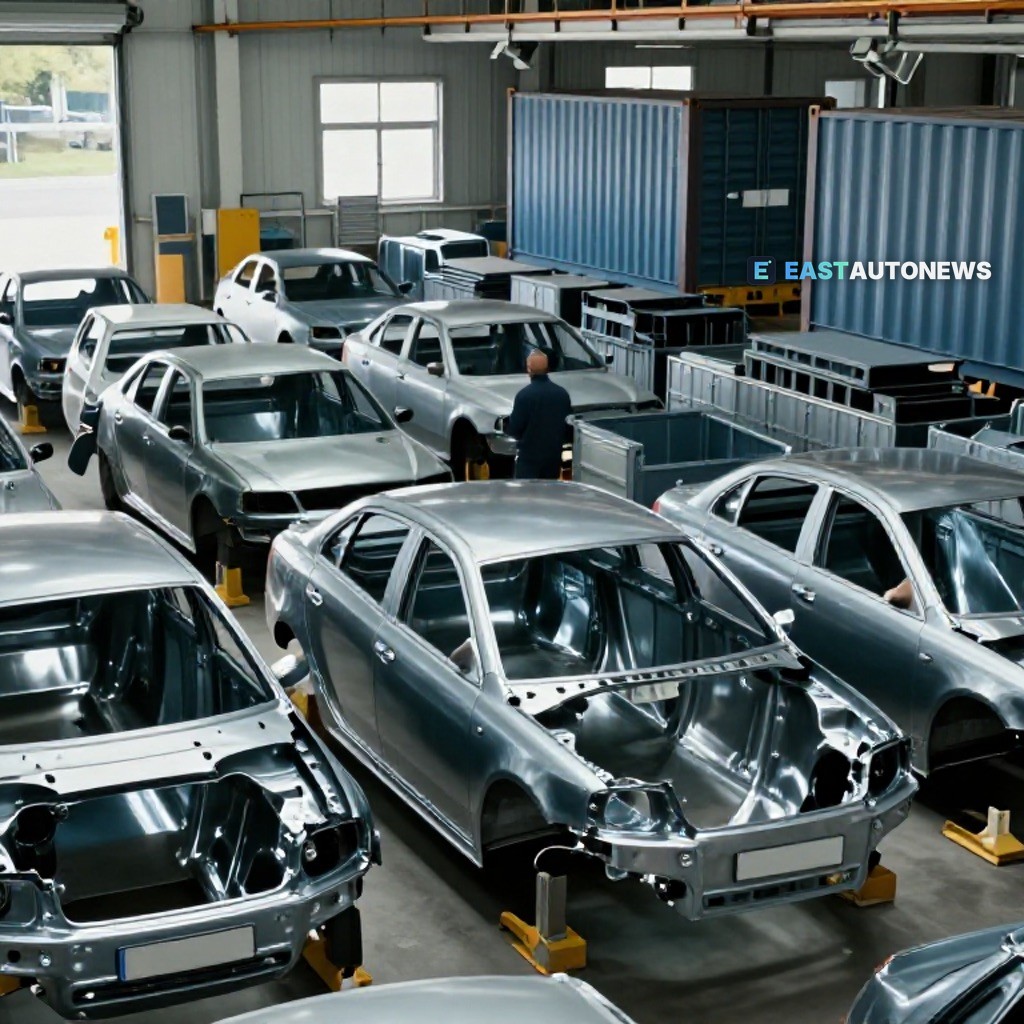
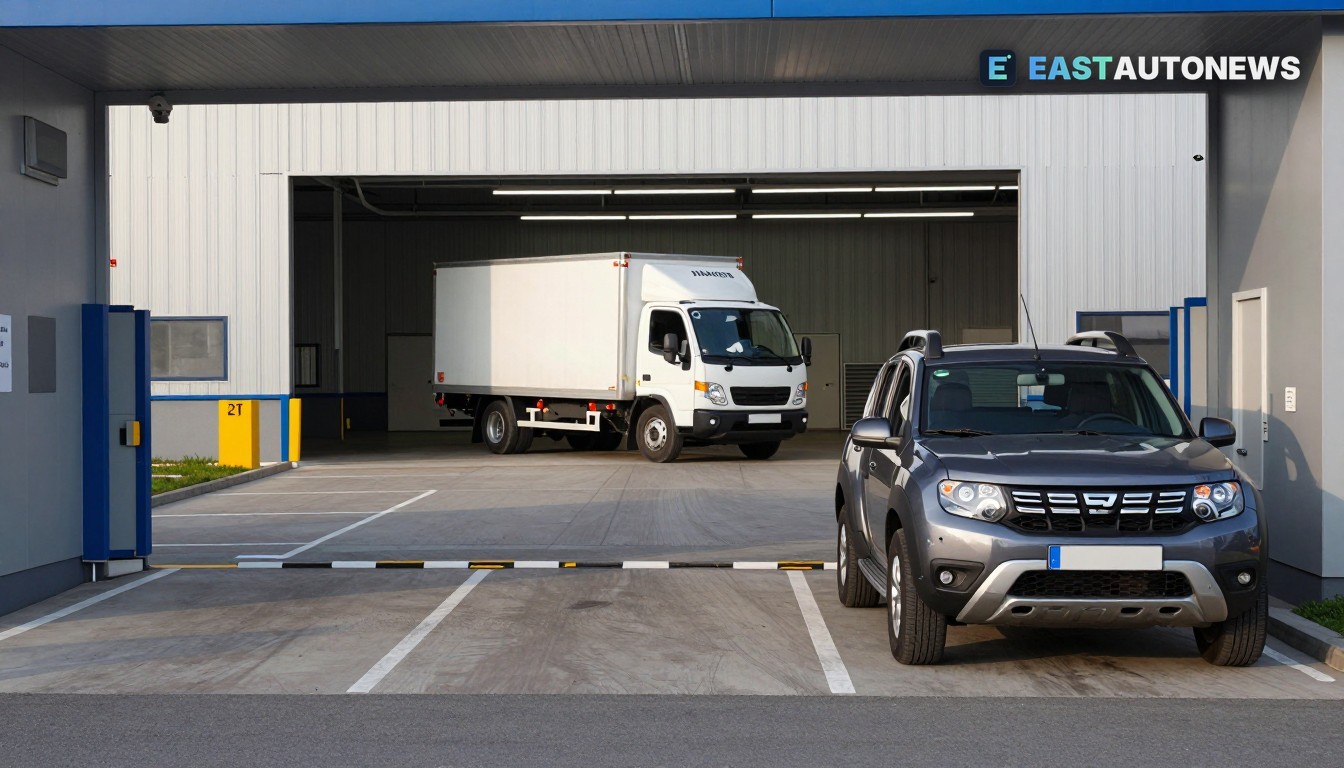
Romania’s large assembly plants are tightly linked to regional supplier networks. Any change to model allocations or investment decisions at Mioveni (Dacia) or Craiova (Ford Otosan) would ripple through component makers, logistics firms and local service providers. The minister explicitly linked any industrial support to the wider supplier chain, saying the sector’s transformation cannot succeed through assembler projects alone.
What this means for the market
For suppliers in Romania and neighbouring CEE countries, a government‑led support package could take several forms — state aid for new investment, upgrading help for local suppliers, training and reskilling programmes, or infrastructure projects that reduce operating costs. Any measures targeted at specific companies would, however, have to meet EU state‑aid rules, adding a timeline and approval step before funds could be deployed. Until the draft is published, suppliers and buyers should treat the announcement as a political signal rather than a contractual guarantee.
Market reaction will depend on detail: a costed, EU‑compliant scheme that helps suppliers retool for electrified powertrains or win new contracts would be positive for the regional supply base; an unfunded list of intentions would do little to change investment calculus. The government’s public request for early consultation with Dacia and Ford Otosan signals Bucharest’s intent to be more visible in location decisions — but companies typically seek legally certain offers before committing to major programme changes.
The next milestones to watch are publication of the draft or an official summary, any budget figures, and responses from Dacia, Ford Otosan and supplier associations. Those items will determine whether the initiative becomes meaningful support for the supplier ecosystem or remains a high‑level political gesture.
Available vehicles listed on WorldTrader24 →
Sources: BalkansEasy (19 Nov 2026), BalkansEasy (11 Nov 2026)