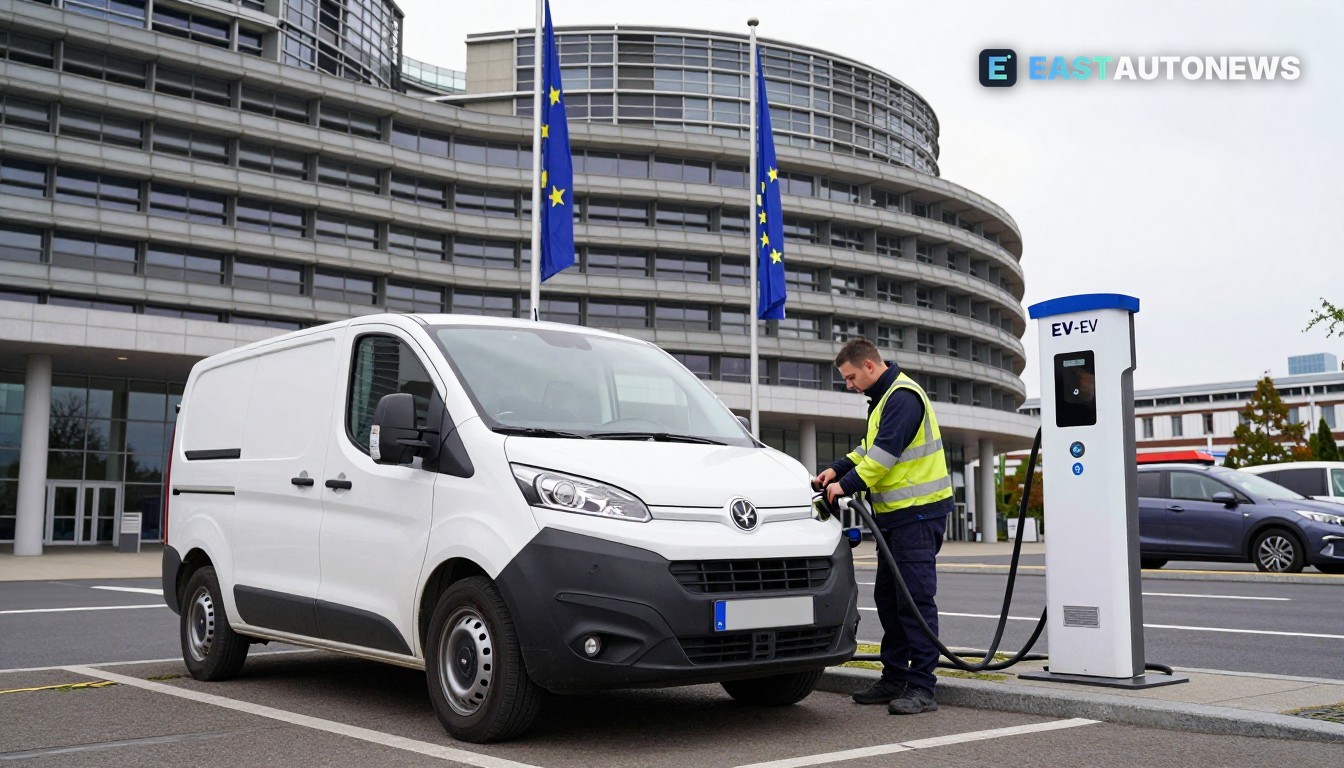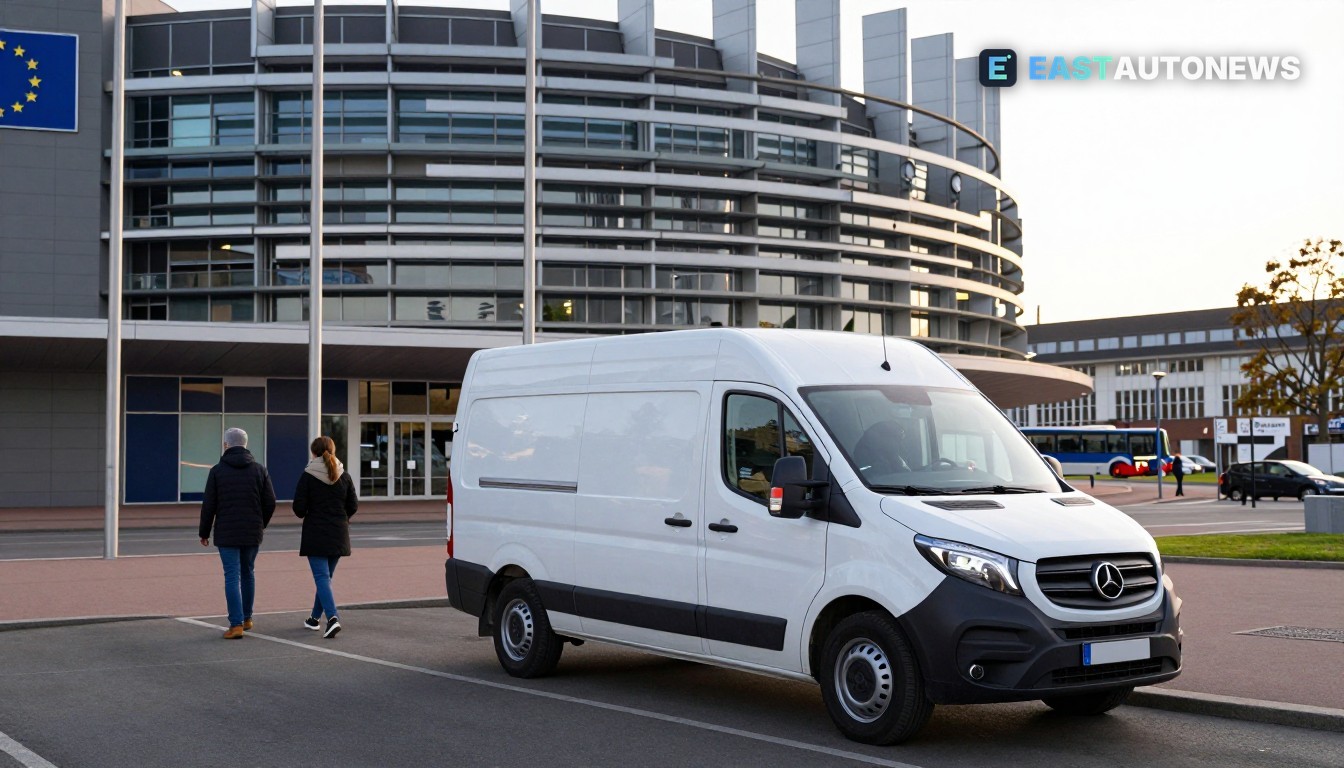
The European Parliament has put an item on its plenary agenda to vote on 24 November 2026 on a proposal to "amend Directive 92/6/EEC to exempt certain N2 electric vehicles from the requirement to install and use a speed limitation device" (dossier 2025/0424). The dossier is part of the wider Automotive Omnibus package and follows the TRAN committee’s work earlier this year.
What the measure would change
The proposed amendment would create a targeted exemption for some zero‑emission vehicles in category N2 (light commercial vehicles with a maximum mass between 3.5 and 12 tonnes) from the obligation to install and use a speed‑limitation device (SLD) that is otherwise required by EU rules. The measure is presented in the Omnibus as a regulatory simplification intended to remove rules that disproportionately affect electric light commercial vehicles. The legislative file lists the plenary vote as planned for 24 November 2026.
Parliament timetable and recent steps
The TRAN committee adopted a report in early November and the dossier record shows the committee step recorded on 4 November 2026; the next formal step recorded in the public timeline is a planned plenary vote on 24 November 2026. EP monitoring sites and the parliamentary calendar list the Omnibus IX item among Tuesday 24 November agenda points. The entry in the EP legislative timeline describes the change as part of the Commission’s automotive package first tabled in December 2025.
What this means for the market
Light commercial vehicles (N1/N2) are already stressed by transition costs and market constraints: EU analysis and staff briefings have highlighted specific challenges for van manufacturers in meeting ZEV targets and the higher ‘target gap’ for vans compared with passenger cars. The Commission and Parliament frame the Omnibus changes as targeted fixes to remove regulatory barriers that impede electrification of the light‑commercial segment. For manufacturers and suppliers operating in Central and Eastern Europe — where assembly and component production for vans and LCVs form an important part of output and trade flows — the exemption, if adopted, could limit additional compliance requirements for certain electric van types and reduce time and cost to market for some models.
That said, the plenary calendar entry is a planned vote: the text must still secure majority support in Strasbourg to take effect, and any final adopted wording will be the legal reference for manufacturers. The parliamentary agenda record explicitly notes the plenary vote as "planned", not a result. Industry stakeholders should watch the 24 November sitting for the outcome.
Commercial electric vans for dealers on WorldTrader24 →
Sources: EP Votes (epvotes.com), European Parliament legislative train, EUR‑Lex staff report