Berlin is presenting the auto industry with a bill. As Germany pushes to soften the EU's ban on combustion engines, a government minister is demanding that the country's automakers show loyalty to their home base in return. "After everything we have achieved politically, in particular ending the ban on combustion engines in Europe, I also expect a clear commitment from the auto industry to its home base," the minister said, according to reports in Dutch media.
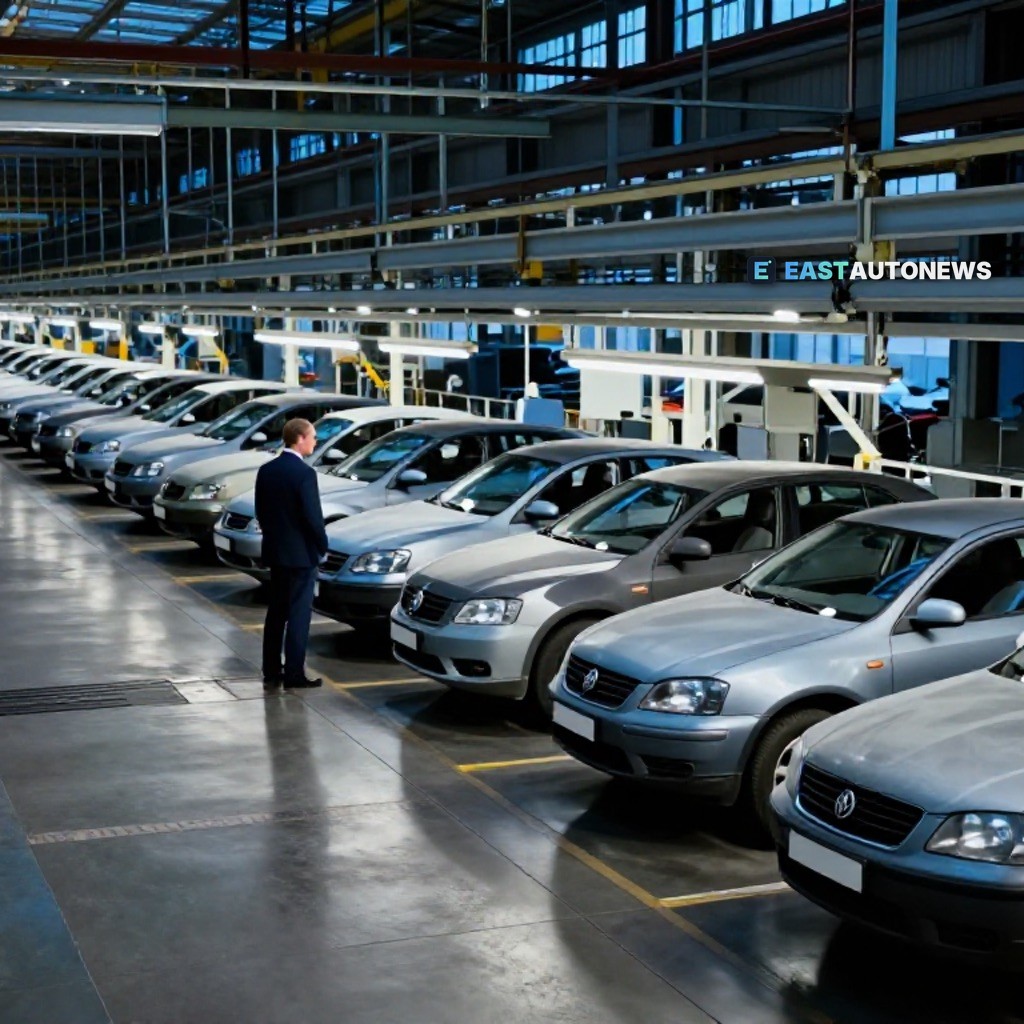
The demand lands at an awkward moment. Mercedes and Volkswagen have stalled investment plans in German car manufacturing, and the economics explain why: production costs at German plants run between €3,500 (about $3,840) and €5,000 per vehicle, compared with €2,000 to €2,500 in Eastern Europe, according to Deutsche Welle. That gap of up to €3,000 per car keeps pulling volumes eastward — and any pledge to German sites would have to overcome it.
Labour relations add further strain. IG Metall has Audi, BMW, Ford, Opel and Volkswagen in its sights, along with shipyards in northern Germany, while the companies argue they cannot afford wage increases and would have to slash benefits and site upgrades. A loyalty pledge that locks capacity into high-cost German plants would collide directly with that pressure.
The EU's policy environment is meanwhile being tested from another direction. A Dutch court has barred EU-wide sales of the BYD Ti7, citing infringement of the Land Rover Defender's design rights — a reminder that market access in Europe now depends on legal as well as trade rules. BYD's regional adviser said the Chinese manufacturer will need four European plants over the long term to support its sales targets and comply with EU regulations, which keeps localisation — and the cost advantages of Eastern European sites — firmly on the industry's agenda.
For the region's automotive markets, the coming months will show whether Berlin's loyalty call hardens into concrete conditions or remains political rhetoric. What is certain is the arithmetic: with per-vehicle costs of €2,000–€2,500, Eastern Europe remains central to every footprint decision, while the softened engine ban gives combustion and hybrid models a longer runway on European forecourts.
For dealers and buyers, that means a market in transition — combustion and hybrid offerings with fresh certainty, electrified line-ups still expanding — in which comparing offers across Europe pays off. Anyone looking for a vehicle can find sensational cars at sensational conditions at WorldTrader24, Europe's marketplace with over 70,000 vehicles.