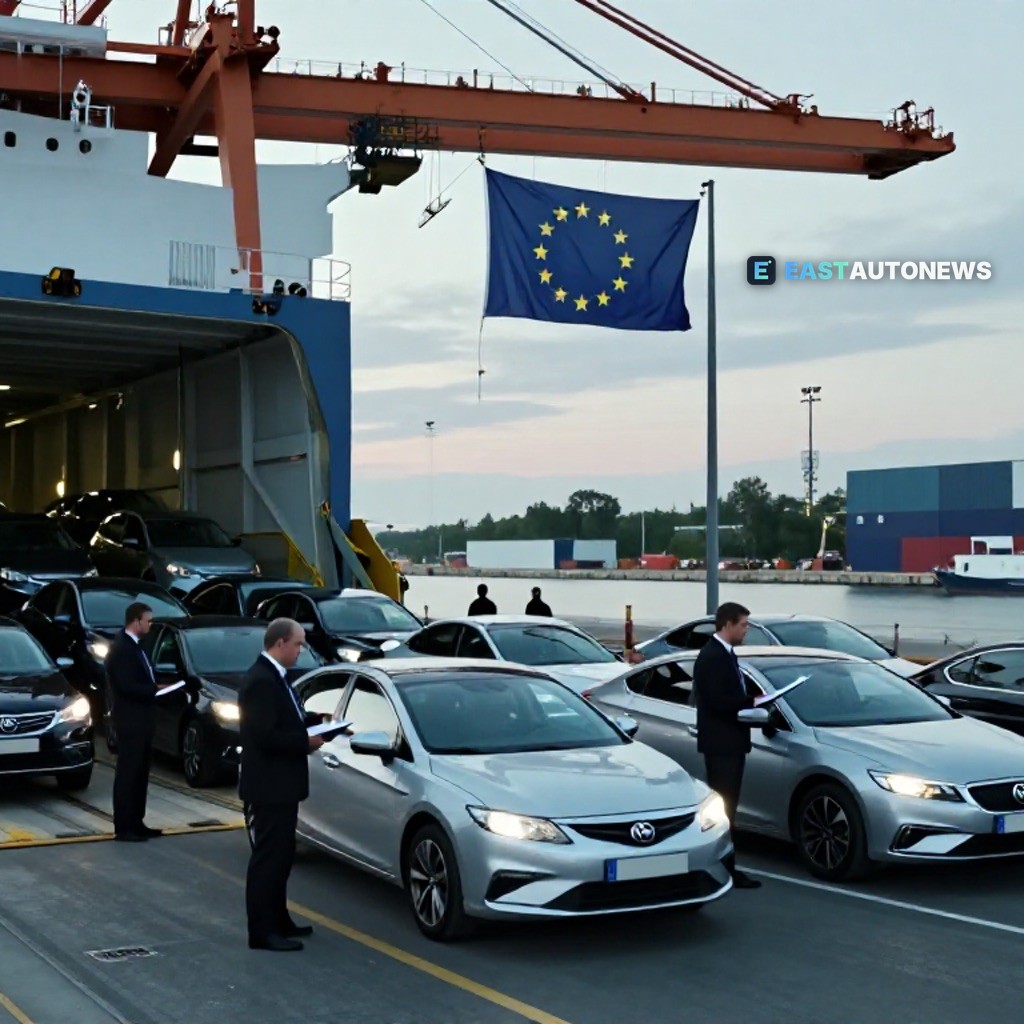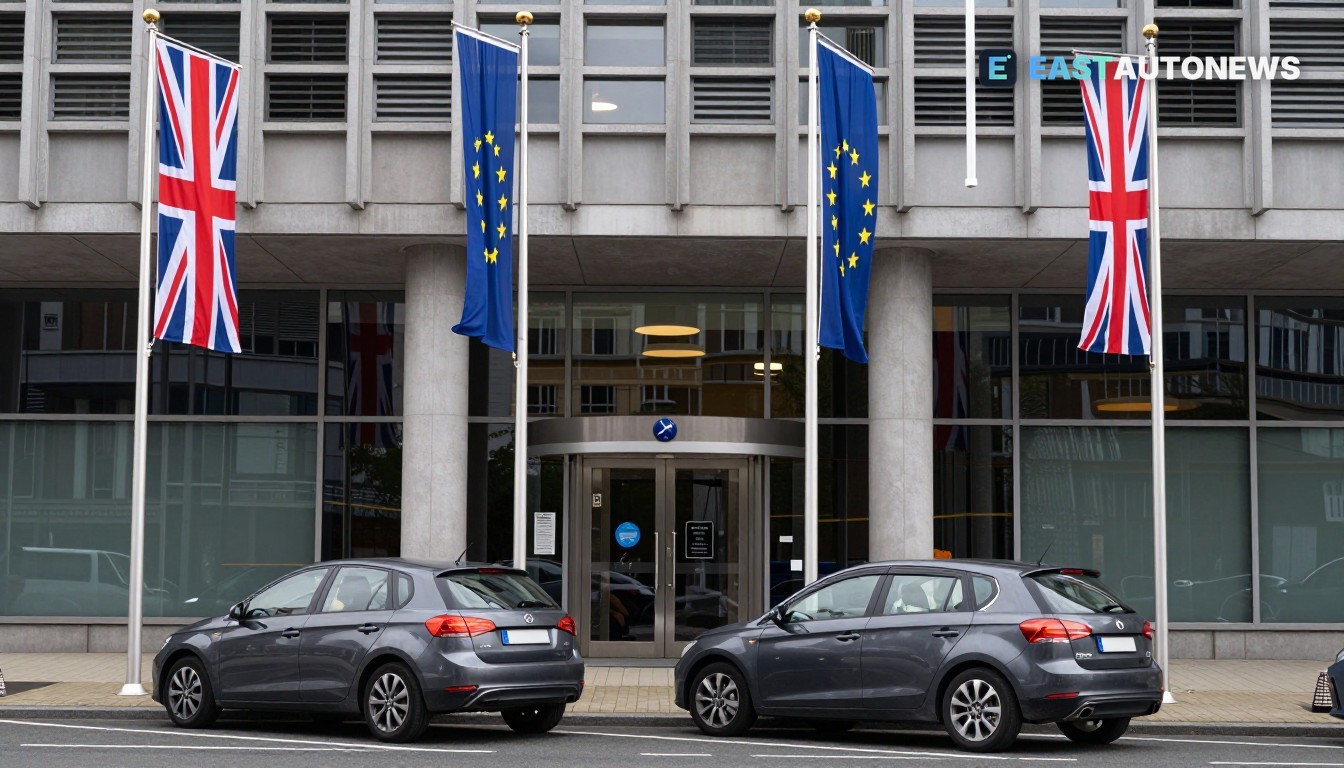
The European Union and the United Kingdom agreed on 20 November 2026 to set up a structured dialogue on economic security that will coordinate policies affecting key supply chains, including for electric vehicles. The commitment formed part of the joint statement issued at the second EU‑UK summit in Brussels.
What the leaders agreed
The joint statement says the two sides “will establish a dialogue on economic security to coordinate their economic security policies” and that, "where the EU and the UK agree to cooperate regarding a particular supply chain, the UK would ensure outcomes consistent with the relevant EU measures". The summit text explicitly names steel, electric vehicles and emerging technologies as priority areas.
The declaration also sets a monitoring cadence: leaders will “review progress, in particular in these sectors, every four months.” That timetable appears in the published joint statement and in the UK government explainer published after the summit.
Immediate policy implications
The political commitment is framed as a way to limit unintended spill‑over effects of protective measures — for example, to reduce risks of circumvention where one side’s restrictions push trade through the other market. The summit text says the EU and UK will “strive, wherever possible, to limit negative effects on one another in their measures impacting specific supply chains.” Those lines are in the joint statement.
What this means for the market
For Central and Eastern Europe the pledge matters because manufacturers and parts suppliers in CEE sit inside pan‑European vehicle supply chains that feed both EU and UK production and markets. A structured EU‑UK process that focuses on steel and electric‑vehicle supply — and that reviews progress every four months — could speed alignment on rules of origin, procurement and export‑control coordination that affect where components and vehicles can be sold or counted as ‘European’ for industrial support programmes. The joint statement is explicit that the partners will work “towards diversified and resilient steel and electric vehicles supply chains.”
That alignment may reduce near‑term policy uncertainty for CEE suppliers whose output crosses the Channel, but it also creates a new forum where regulatory conditions (for example origin or content criteria tied to Made‑in‑Europe style measures, and coordination of trade safeguards) will be debated and monitored. The summit text makes clear this will be taken forward “as a matter of priority.”
The leaders’ statement sits alongside other summit outcomes — covering ETS linkage, energy cooperation and agrifood measures — and is presented as part of a broader economic resilience agenda agreed in Brussels on 20 November 2026.
Electric vehicle listings on WorldTrader24 →
Sources: Council of the European Union (Joint Statement, 20 November 2026), UK Government (UK‑EU Summit explainer, 20 November 2026)