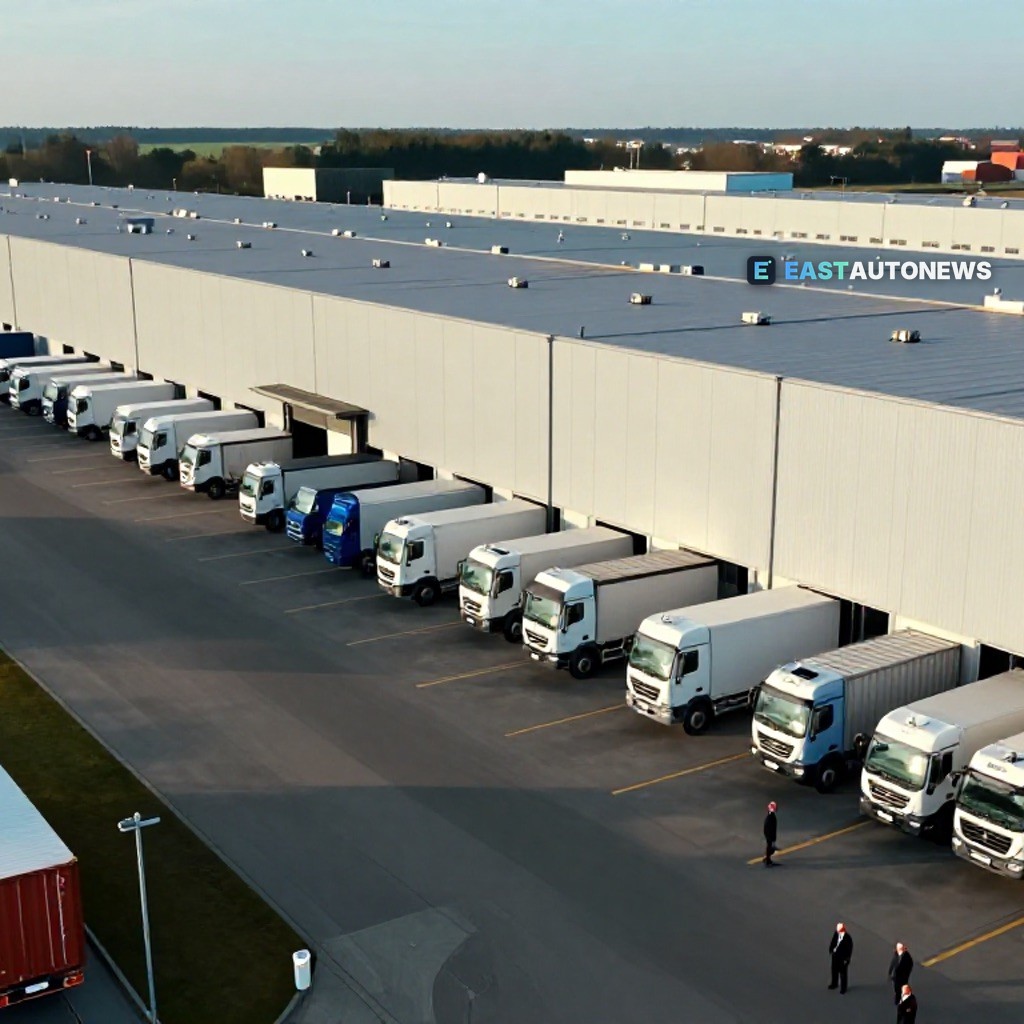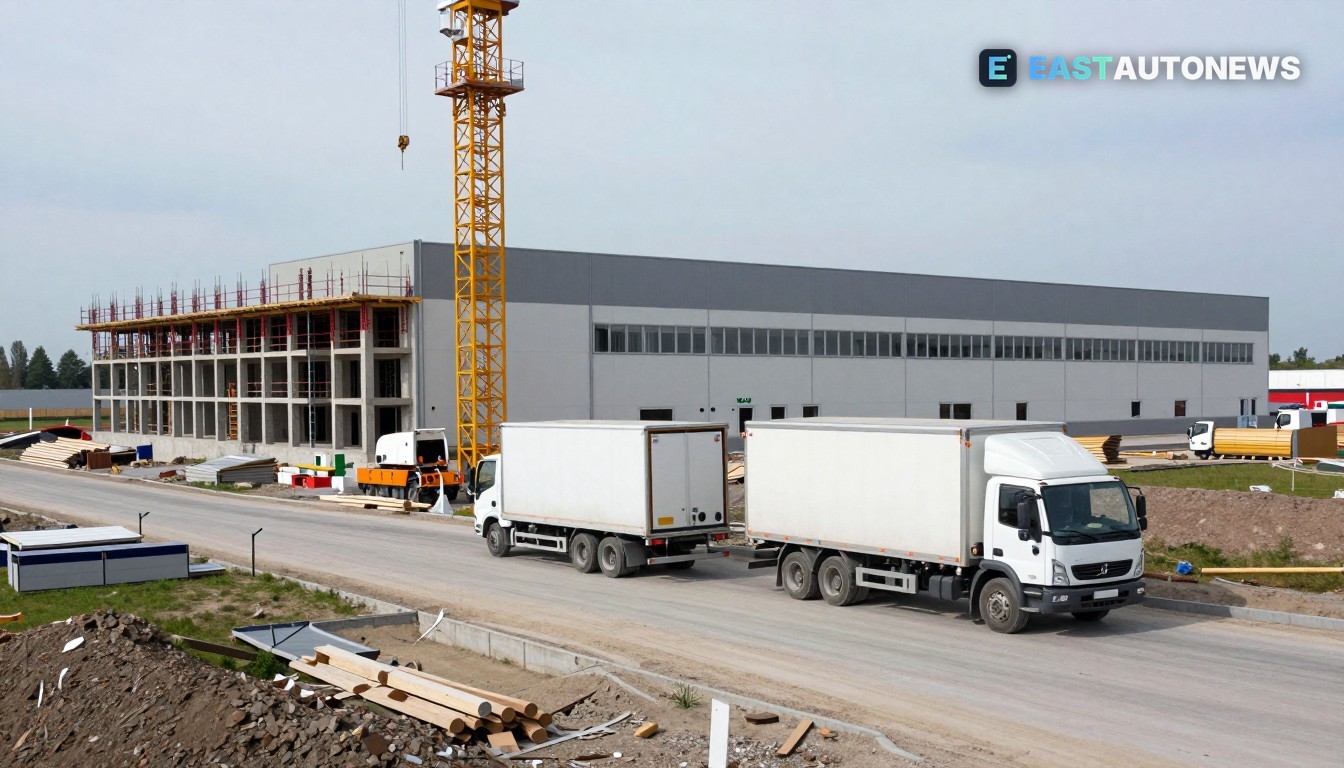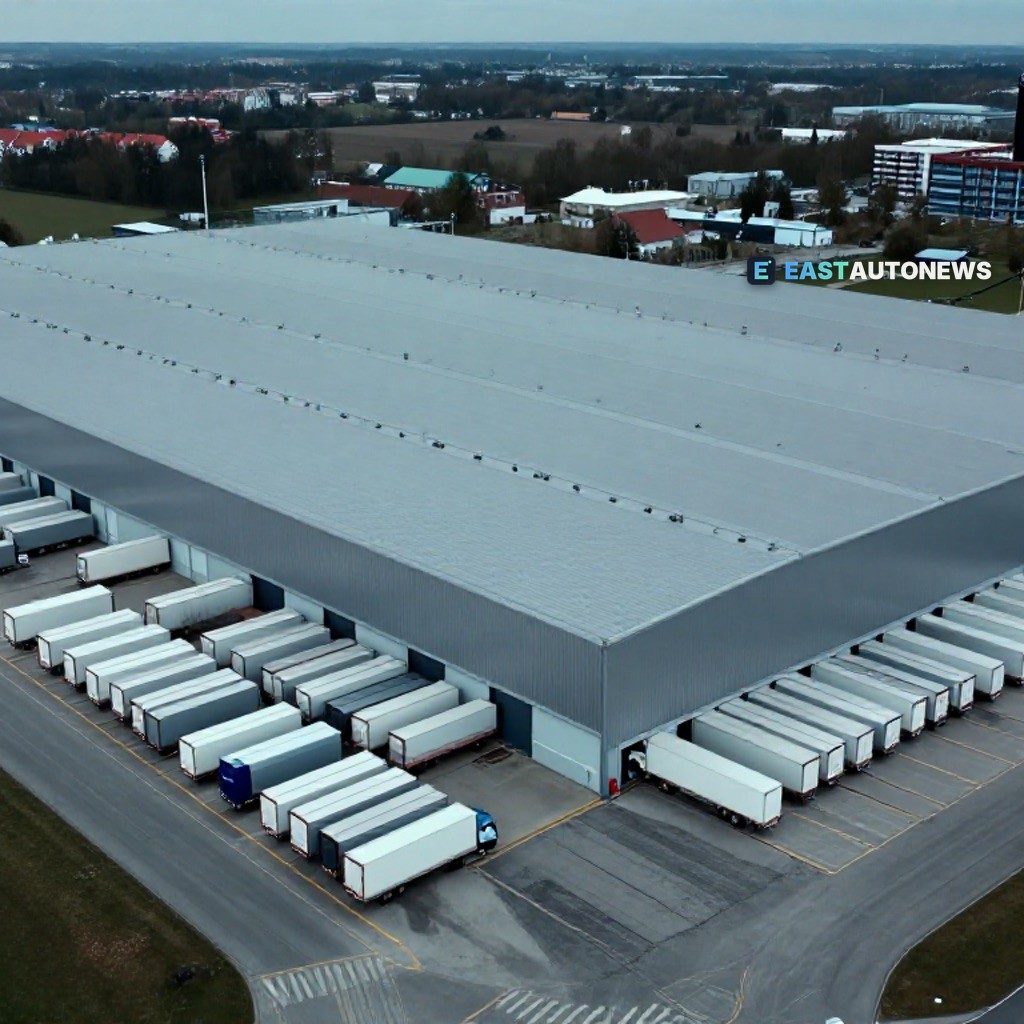
Korea's Ministry of Oceans and Fisheries announced on 22 November that it is pressing ahead with the expansion of its Eastern European logistics network, securing logistics centers in Poland and Croatia through public-private joint investment. The centerpiece is a 160,000 m² (16-hectare) facility in Wrocław, purchased through a public-private joint investment fund, with a second site in Croatia secured under the same arrangement. Minister Hwang Jong-woo's ministry framed the deals as a fresh burst of momentum for Korea's Eastern European logistics hub strategy.
The Wrocław location is deliberate: the center sits adjacent to a battery production base, and the ministry expects the proximity to create supply-chain synergies. Lower Silesia has grown into one of Europe's key battery manufacturing clusters — though the picture there is shifting, as EastAutoNews recently reported that LG Energy Solution is pivoting its Wrocław plant from EV cells toward grid storage. Hub capacity next door positions Korean shippers to serve both the battery industry and the automotive belt running across southern Poland, Czechia and Slovakia.
The Korean push lands amid a broader reconfiguration of Asia–Europe trade routes. Customs data point to a road-borne export boom along China's overland frontier — one Xinjiang border port alone handled 46.43 million tonnes of imports and exports last year, ranking first among the region's crossings for the eighth consecutive year — while analysts are championing new Middle East transport corridors, including proposals to route cargo via Oman's Duqm Port and bypass the Strait of Hormuz entirely. As routes multiply, owned hub capacity in Central Europe turns from convenience into strategic asset.
The deal also extends a run of big-ticket logistics investment across Central and Eastern Europe, following the €155m Logis One Park development in eastern Slovakia that EastAutoNews reported on recently. For shippers serving the region's battery plants and car factories, the bet is that hubs placed beside production sites tighten the link between inbound materials and outbound goods — and give Korean supply chains firmer footing in a part of Europe where logistics capacity is fast becoming contested infrastructure.
As the region's warehouse map thickens, the vehicles that feed it — from delivery vans shuttling between hubs to heavy trucks on cross-border runs — remain the last mile of every supply chain. Dealers and readers looking for a vehicle, commercial or passenger, can find sensational cars at sensational conditions at WorldTrader24, Europe's marketplace with over 70,000 vehicles.