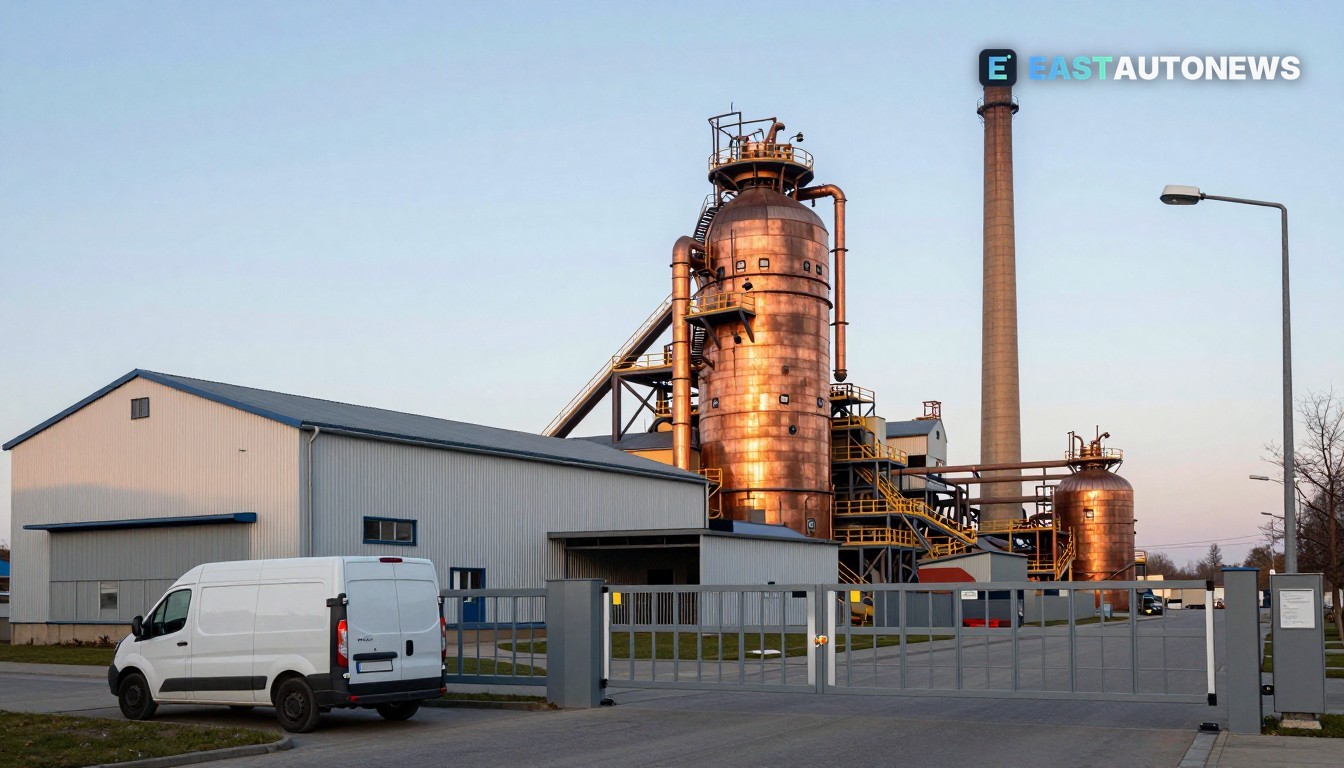
The European Investment Bank (EIB) on 25 November 2026 approved a €400 million loan to KGHM Polska Miedź, Poland’s state-linked copper producer, to expand extraction and processing capacity, the bank and company said in separate statements. The financing will support expansion of KGHM’s copper and by‑product facilities and associated environmental improvements, with disbursement and project timelines laid out in the EIB press release.
What the decision is
According to the EIB announcement dated 25 November 2026, the €400m facility will fund investments at KGHM’s Polish sites intended to increase refined copper output and lower emissions from metallurgical operations. The EIB described the loan as backing “sustainable and strategic raw‑materials capacity” in Europe, while KGHM’s statement confirmed the amount and said the funds will be used for “modernisation and processing upgrades” across the group’s Polish assets. Both statements are dated 25 November 2026.
Why carmakers and suppliers should care
Copper is a core input for electric vehicles: wiring harnesses, electric motors and battery packs all rely on copper. Europe’s EV and battery industries are already competing for secure, nearby sources of copper and precursor materials to reduce exposure to supply shocks and carbon‑intensive imports. The EIB’s loan effectively underwrites more European copper refining capacity — a material outcome for automakers and tier suppliers that source wiring, motors and high‑current connections in Central and Eastern Europe.
What this means for the market
The loan may ease supply-side risk for automakers and battery makers operating in CEE by increasing availability of European refined copper, shortening logistics and lowering the carbon footprint of inputs. For CEE‑based suppliers it reduces a key sourcing uncertainty and may help stabilise prices for copper‑intensive components. The project also aligns with EU strategic ambitions to build shorter, greener supply chains for electric powertrain components.
At the same time, the investment emphasises a policy trade‑off: supporting domestic raw‑materials capacity can attract related battery and EV investments to the region, but it also creates local competition for scarce processing skills and may accelerate environmental permitting and grid‑connection challenges at mine and smelter sites — issues local policymakers in Poland and neighbouring states will need to manage closely.
Electric vehicles listings on WorldTrader24 →
Sources: European Investment Bank (25 November 2026), KGHM Polska Miedź (25 November 2026)