The European Investment Bank (EIB) said on 24 November 2026 that it will provide €20 million in venture‑debt financing to Swiss cleantech company Bcomp to support construction of a high‑volume natural‑fibre composites plant in Timișoara, western Romania. The financing is part of a wider €47.6 million investment programme that also covers R&D in Fribourg, Switzerland.
Project and timeline
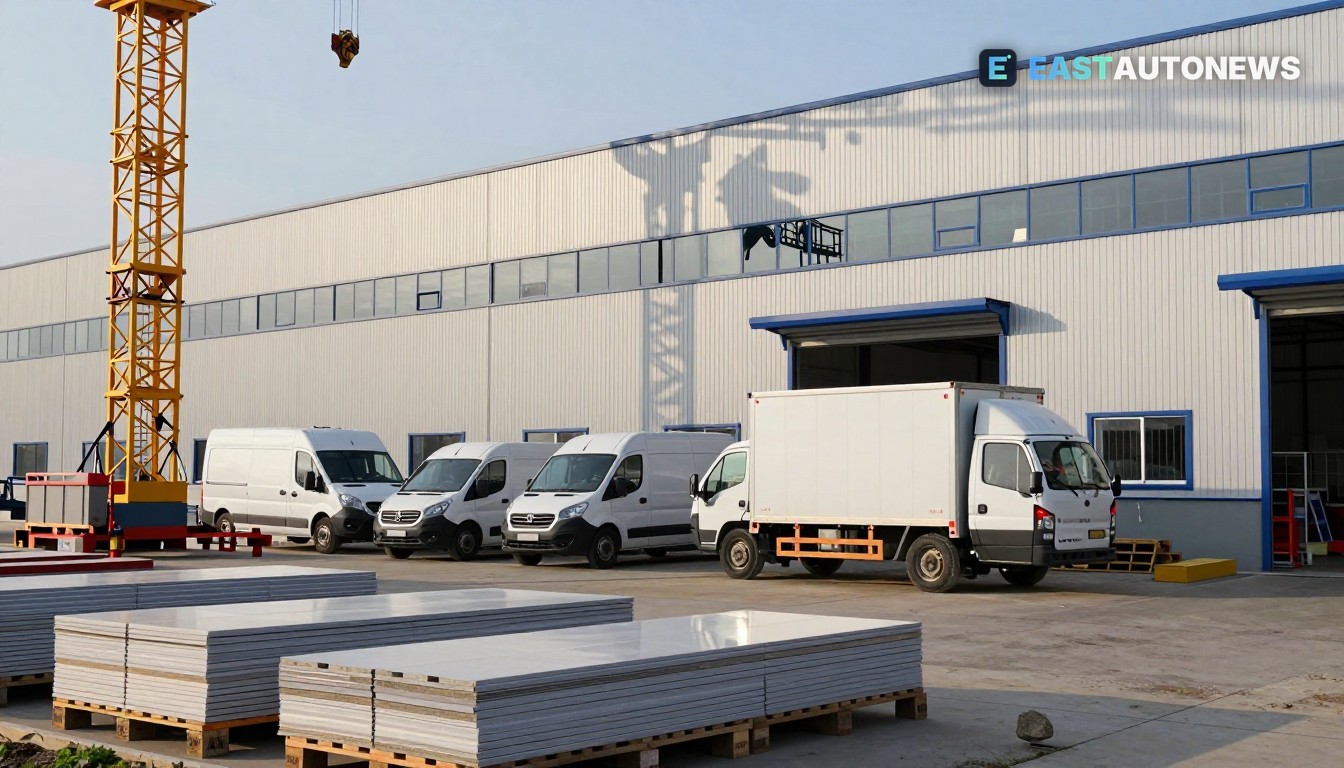
Bcomp’s planned facility in Timișoara will increase industrial production of flax‑ and other natural‑fibre composite materials designed as lower‑carbon alternatives to carbon and glass fibre in automotive structures and interior components. The company told the EIB the programme will be carried out between 2027 and 2030 and that roughly 61% of the planned investment will take place in Romania’s Vest region.
The EIB statement says the €20m support takes the form of venture debt backed by the InvestEU programme; Bcomp and the bank expect the financing to help the firm industrialise its ampliTex™ and related product lines and to scale capacity for automotive customers, motorsport and other industrial uses. First production from the new site is scheduled as part of the company’s 2027–2030 rollout.
What this means for the market
The backing gives a concrete signal that Europe’s financing institutions will support industrial scaling of bio‑based materials, reducing lead times and logistics exposure for OEMs seeking lower‑carbon component options. For Central and Eastern Europe, a high‑volume composites plant in Timișoara establishes a nearer‑term local supplier for body panels, interior trim and secondary structural parts — categories that increasingly matter as automakers chase weight reduction and lifecycle emissions cuts.
The EIB framed the deal as part of a broader industrial and climate objective: “Europe needs to turn technological innovation into industrial production if we are to strengthen our competitiveness and accelerate the green transition.” That formulation came from the bank’s press release.
Commercial and regional implications
Bcomp’s CEO, Christian Fischer, said the operation will allow the company to expand production and serve more industrial customers. “Scaling up our natural fibre composites production is an important step,” he said in the company announcement. The Timișoara plant is presented as a regional employment and industrial‑policy win: Bcomp expects to expand its workforce through 2030 as capacity comes online.
For vehicle manufacturers and tier‑1 suppliers in CEE, local access to high‑performance, bio‑based composites can shorten supply chains that today rely on imports of specialty materials from Western Europe and beyond. That proximity could also lower qualification times for parts and reduce logistics costs — important considerations as vehicle programmes migrate and as OEMs demand lower embedded carbon in key components.
The EIB operation is being presented as TechEU/InvestEU‑backed venture debt rather than a conventional loan; that structure aims to bridge the financing gap that cleantech manufacturers often face when moving from lab‑scale innovation to industrial lines. Market participants say such deals can unlock follow‑on private capital and speed industrial adoption.
WorldTrader24 B2B vehicle marketplace for dealers →
Sources: European Investment Bank, Bcomp, Romania Insider