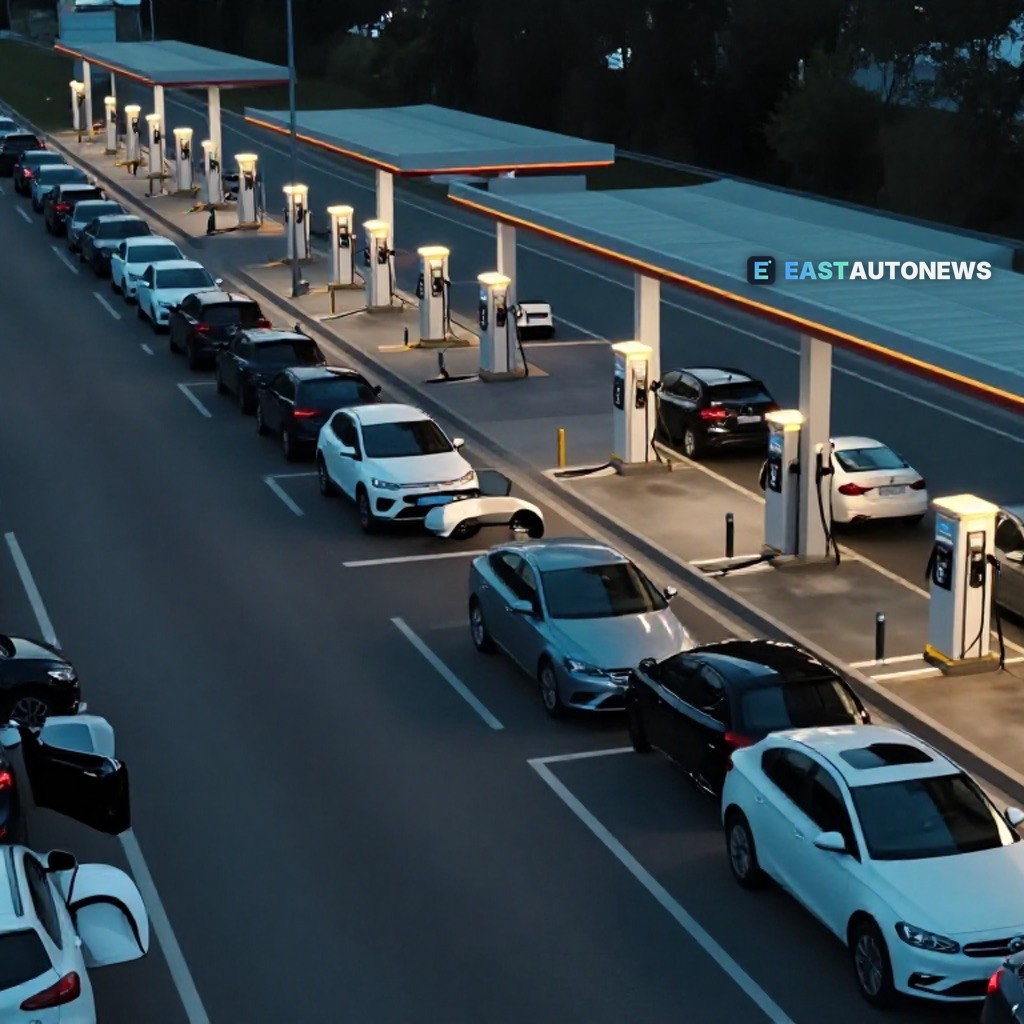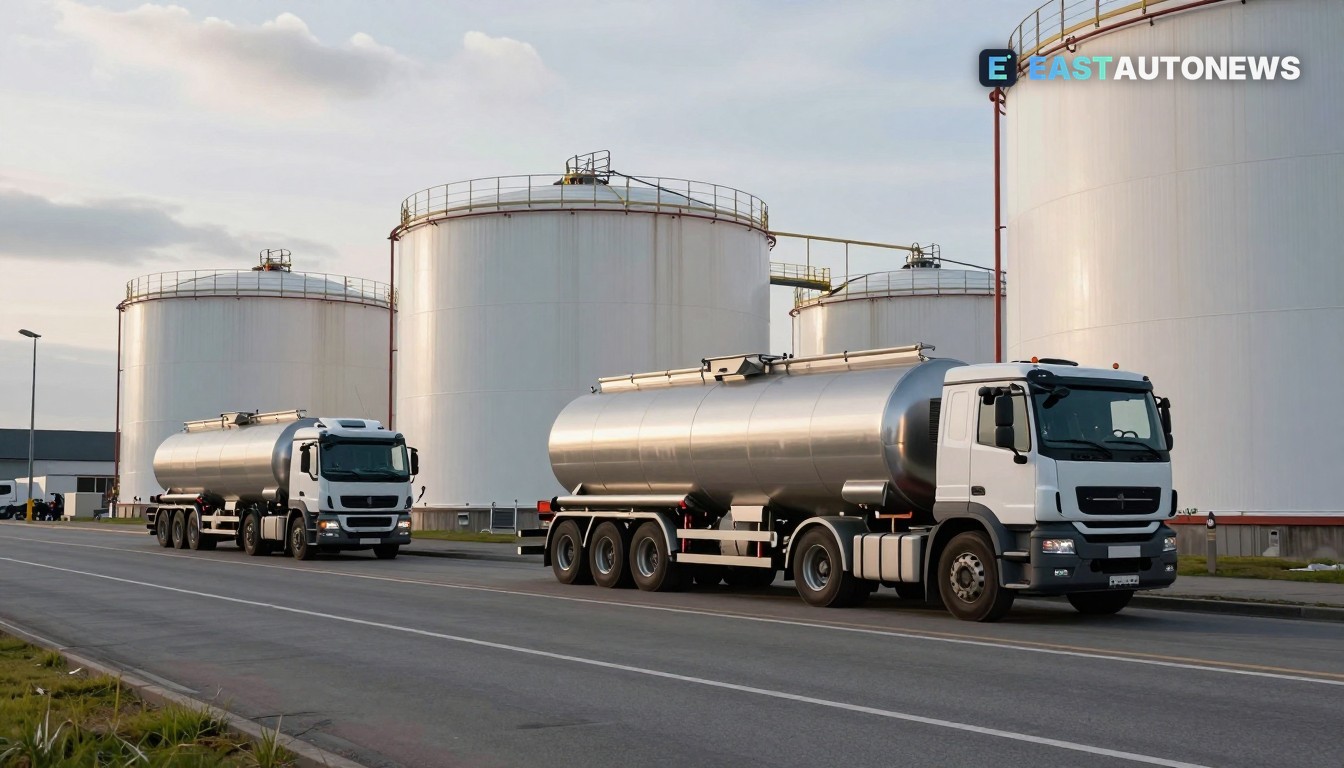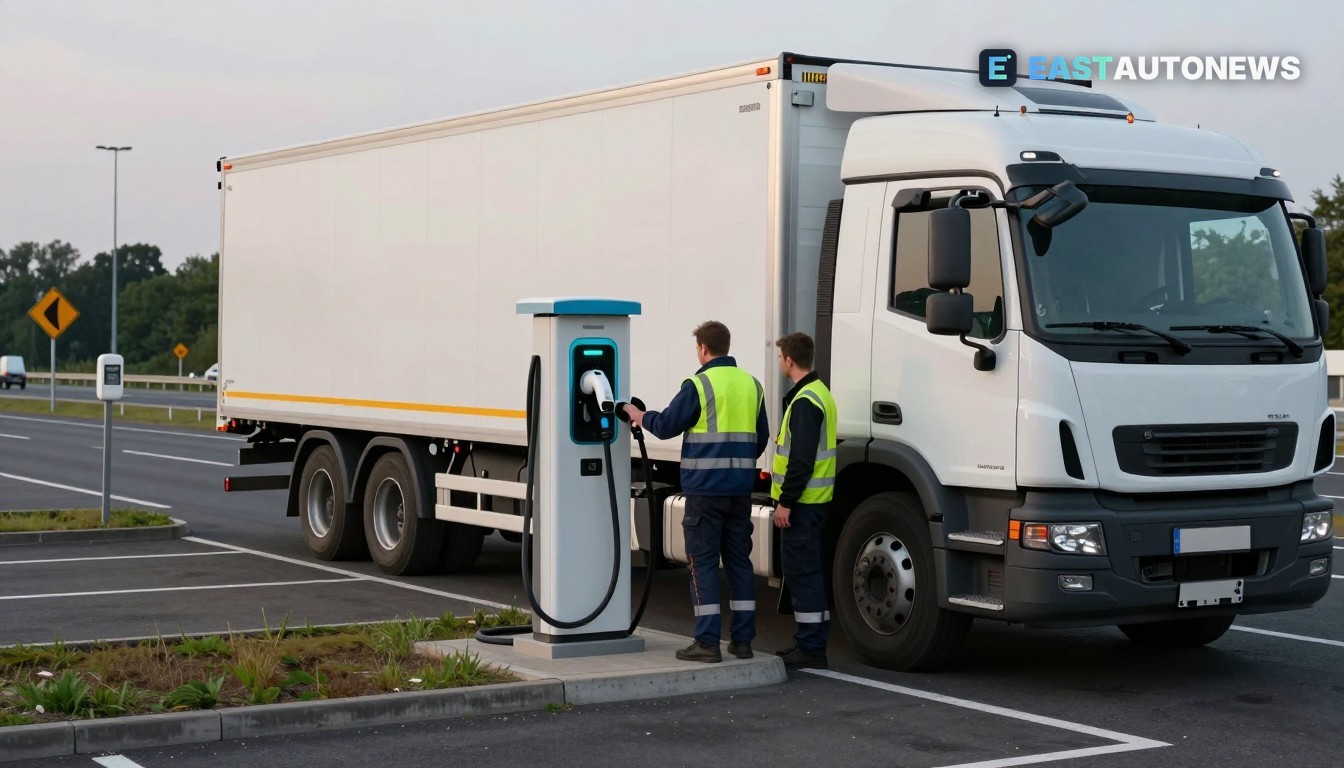
European regulators and industry face a familiar but growing challenge: electric trucks are selling faster, but infrastructure and power networks in Central and Eastern Europe risk becoming the bottleneck for fleet decarbonisation.
EEA numbers underline the gap
The European Environment Agency (EEA) published a package of assessments on 26 November 2026 showing that electric truck registrations rose 66% in 2025 and reached 4.2% of new medium and heavy trucks. Electric medium trucks already account for more than 20% of new sales, while electric heavy trucks remain below 2%. The EEA said public charging points for trucks expanded rapidly in early 2026, but only around 3% of the trans‑European transport network (TEN‑T) currently meets EU requirements for heavy‑duty vehicle charging.
The EEA package comprises the report "Sustainability of Europe's mobility systems 2026" and a briefing titled "Where the road meets the wire — electrifying heavy‑duty vehicles in the EU", together with new transport indicators. The agency emphasises that electrification will reduce fossil‑fuel dependence and exposure to volatile fuel markets, but will also sharply increase demand on electricity grids and on secure battery and raw‑material supply chains.
Policy and business responses
Industry groups and logistics associations say the policy framework must give clear, stable signals so operators can invest in electric trucks and depot charging. The Association of European Vehicle Logistics (ECG) summarised the EEA findings on 26 November and highlighted that transitioning freight to electric vehicles will require coordinated action from transport operators, charging providers, grid operators and public authorities. The ECG underlined that depot charging will suit many urban and regional operations, while long‑haul freight will need high‑power public chargers on major routes.
For Central and Eastern Europe (CEE) the issues are particularly acute. Many CEE countries still register a smaller share of battery‑electric passenger cars and vans than western peers, and commercial fleets here rely heavily on long interregional routes that need fast, reliable corridor charging. The EEA notes that the take‑up of electric buses shows electrification can scale quickly where depot charging and public procurement align, but the heavy‑truck case needs targeted infrastructure and grid upgrades.
What this means for the market
For OEMs, suppliers and charging developers active in CEE, the EEA findings mean two immediate priorities. First, expect stronger demand for medium‑duty electric trucks and depot‑scale chargers in the next 12–36 months as municipalities and regional logistics operators accelerate renewals. Second, lobbying and public investment efforts will intensify around corridor charging and grid reinforcement: only about 3% of the TEN‑T currently meets heavy‑duty charging requirements, a clear signal that large‑scale public‑private co‑investment will be needed to unlock long‑haul electrification.
Policymakers in CEE should also factor freight modal shift into planning: the EEA cautions that electrification alone will not make transport sustainable while rail and inland waterways carry a shrinking share of freight. Integrated policy—combining charging infrastructure, grid upgrades, procurement rules for buses and trucks, and incentives to shift freight to rail—will determine whether CEE fleets can decarbonise without rising logistics costs.
Electric vehicle offers on WorldTrader24 →
Sources: European Environment Agency (EEA), Association of European Vehicle Logistics (ECG)